All categories
Featured selections
Trade Assurance
Buyer Central
Help Center
Get the app
Become a supplier
Customization:
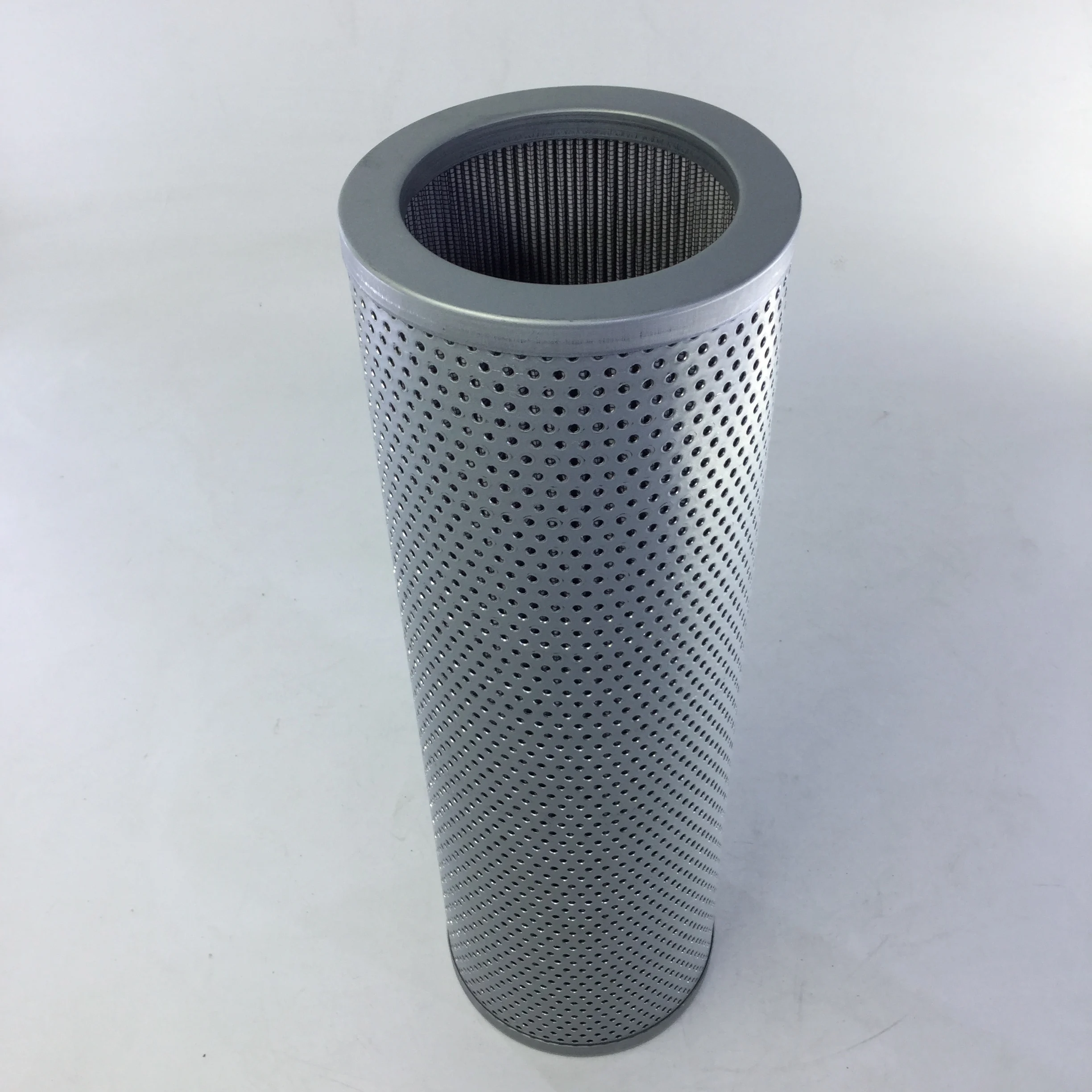
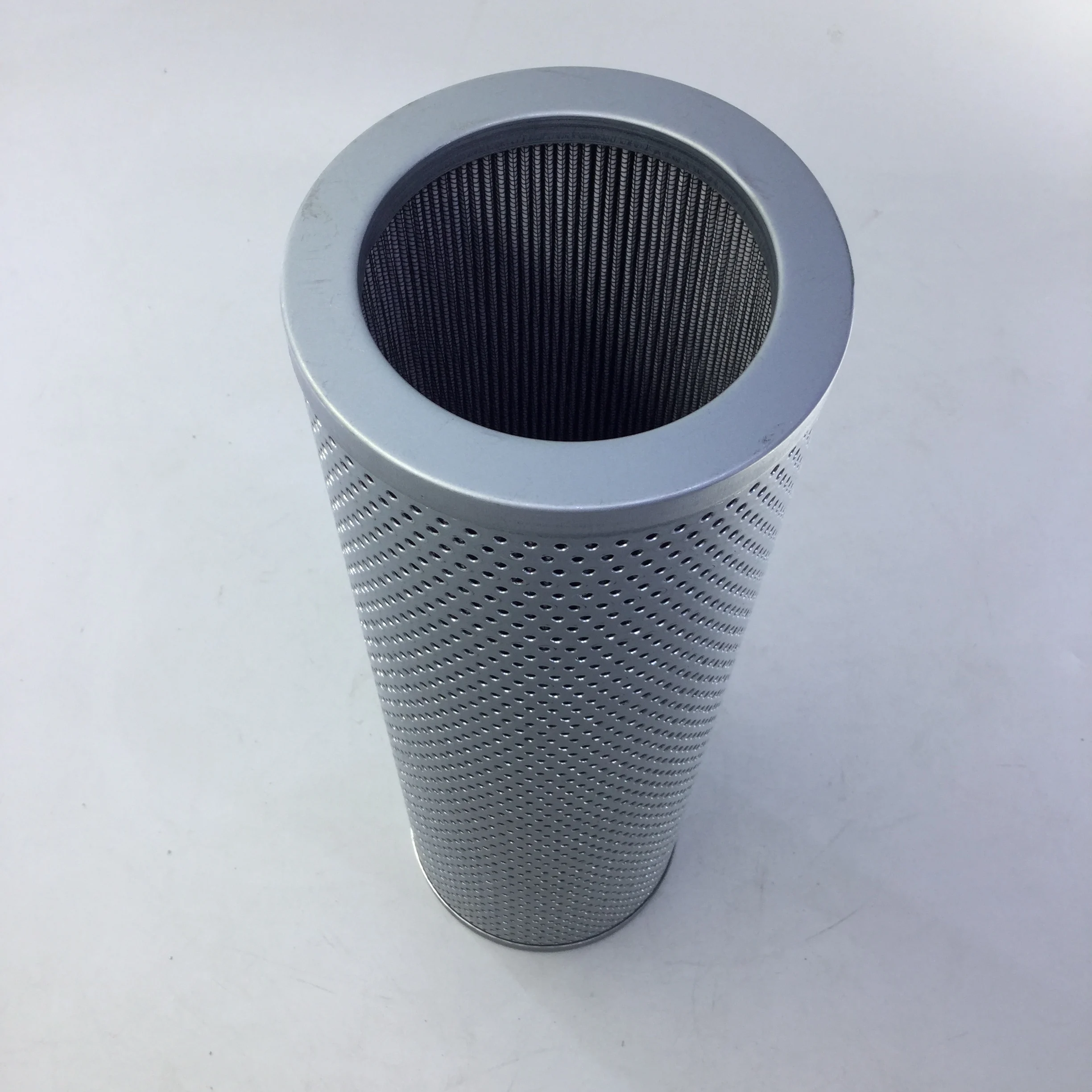
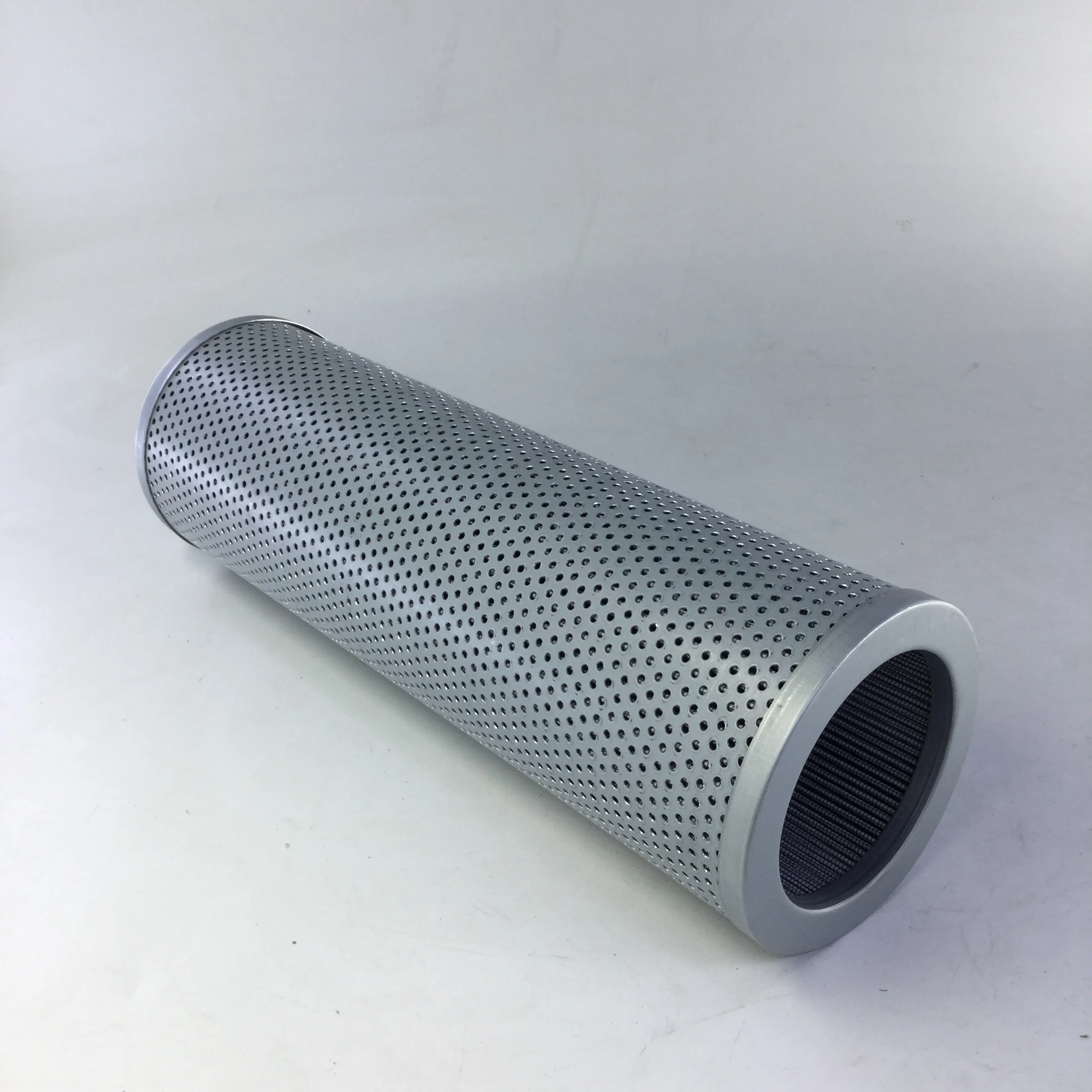
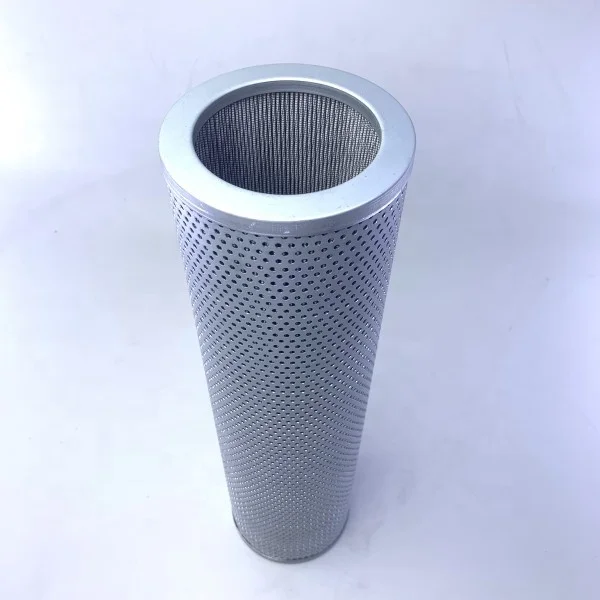
The Injection Molding Machine Hydraulic Oil Filter Element MR2503A10AP01 is a precision-engineered filtration solution designed to ensure clean hydraulic fluid in high-pressure industrial systems. Its fiberglass core and perforated metallic housing provide robust performance, while customizable parameters adapt to diverse operational needs.
| Feature | Specification | Application Scenario |
|---|---|---|
| Material | Fiberglass filter media, metallic outer casing (stainless steel/aluminum) | Withstands high-temperature and corrosive environments in industrial machinery |
| Filtration Efficiency | 98% efficiency for particles ≥5 µm | Critical for hydraulic systems in injection molding machines |
| Pressure Drop | ≤0.3 bar at rated flow | Maintains optimal system performance under high-pressure loads |
| Particle Retention | Captures contaminants as small as 3 µm | Ensures clean oil circulation in precision machinery |
| Size Compatibility | Customizable dimensions (⌀250-⌀300 mm) | Adapts to standard hydraulic filter housings |
Adjustable parameters include perforation density, mesh layer thickness, and filtration grade to meet specific requirements such as:
With its dual-layer fiberglass and perforated metal design, this filter element combines durability and precision. Whether safeguarding hydraulic systems in injection molding machines or industrial presses, it ensures uninterrupted operation by removing contaminants that could damage critical components.
| Parameter | Base Model | Advanced Model | Pro Model |
|---|---|---|---|
| Filtration Efficiency | 95% (≥5 µm) | +3% (98% ≥5 µm) | +5% (99.9% ≥3 µm) |
| Pressure Drop | ≤0.35 bar | -15% (≤0.3 bar) | -25% (≤0.26 bar) |
| Service Life | 6,000 hours | +20% (7,200 hrs) | +50% (9,000 hrs) |
| Particle Retention | ≥5 µm | +1 µm (≥4 µm) | +2 µm (≥3 µm) |
Three Technical Breakthroughs:
Optimal Version Selection:
With the Pro version’s triple-industry-standard chemical resistance, users can safely handle aggressive hydraulic fluids while its low-pressure design minimizes system wear. Pair this with the customizable perforation size to target specific contaminants, ensuring uninterrupted production cycles.

The Product Description is generated by third-party, and Alibaba.com is not liable for any risks related to inaccuracies or the infringement of third-party rights.
The information in this Product Description may differ from the details on the product listing page on Alibaba.com. Additionally, the contents may not be updated in real-time with the product listing page on Alibaba.com, and there may be delays in reflecting the most updated information. The description on product listing page takes precedence. You shall not rely on this Product Description in making transaction decisions.
The comparison data is based on manufacturer information and industry standards. Actual results may vary depending on individual use cases. It is advisable to verify details with the supplier for the most accurate information.