All categories
Featured selections
Trade Assurance
Buyer Central
Help Center
Get the app
Become a supplier


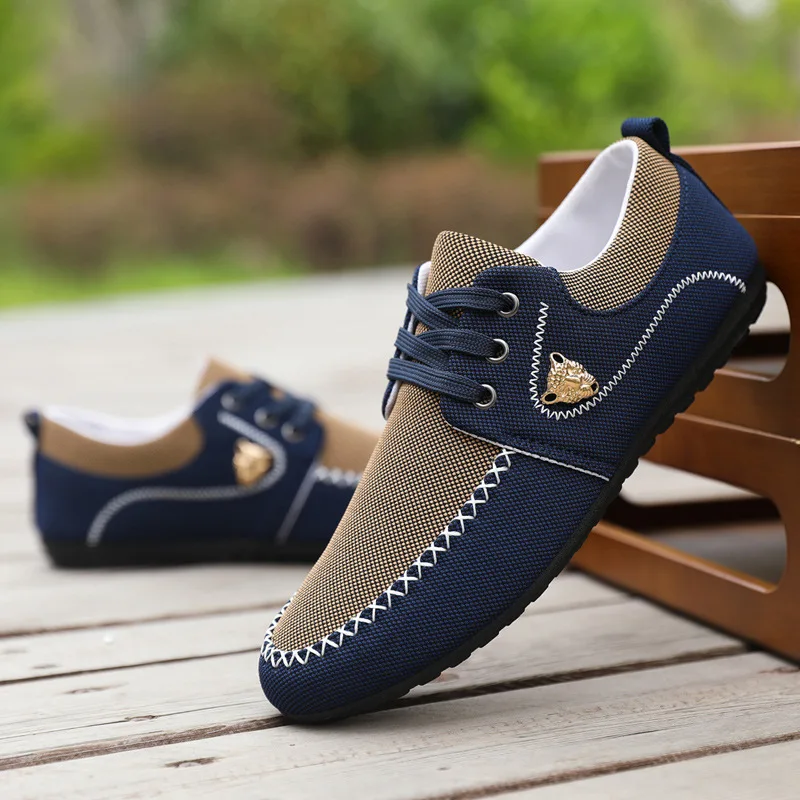
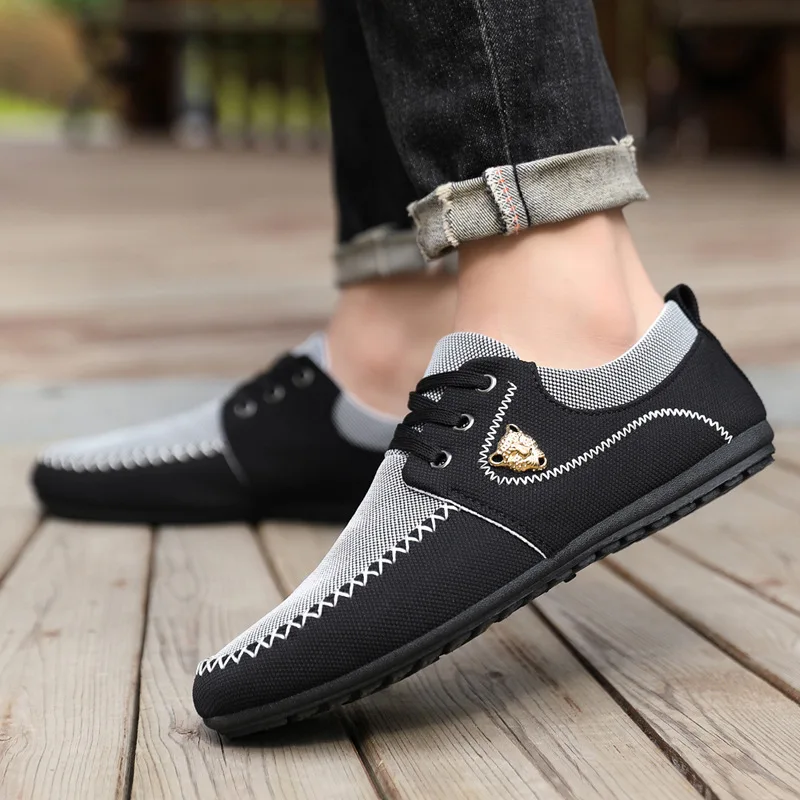
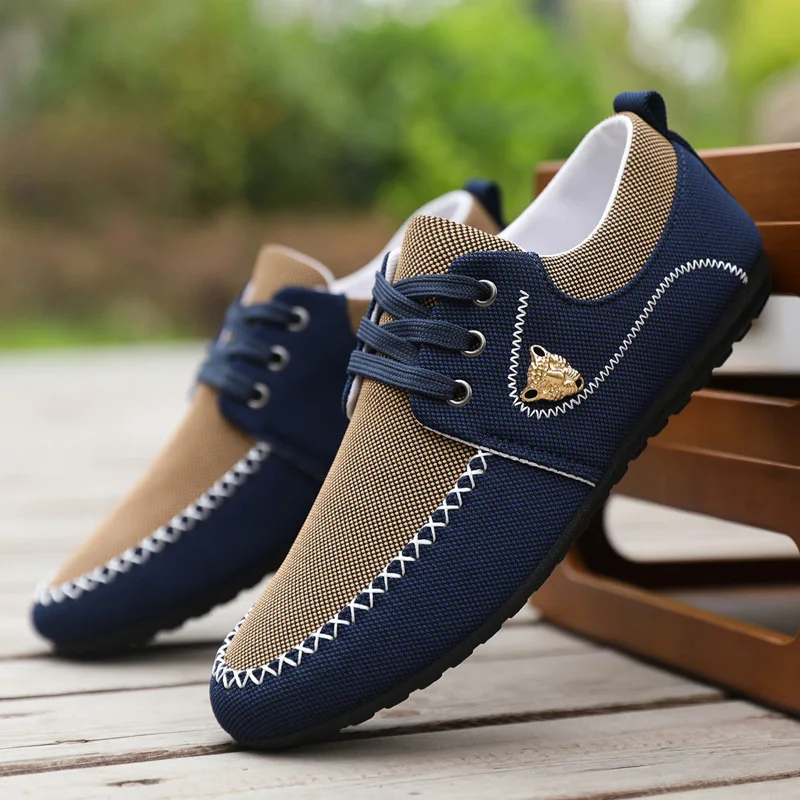
The Hot Sale Cheaper New Men Shoes are designed for versatility and comfort, blending breathable materials with modern aesthetics. Ideal for sports, leisure, and everyday wear, these wedge sneakers feature a round toe, lace-up closure, and a printed upper. Crafted with a PVC insole and durable plastic outsole, they offer multi-season usability (spring, summer, autumn, winter) while maintaining a sleek, sporty-casual style.
| Feature | Specification | Benefit |
|---|---|---|
| Upper Material | Breathable fabric + synthetic | Enhances airflow for all-day comfort |
| Insole | PVC | Lightweight and moisture-resistant |
| Outsole | Plastic (with rubber-like traction) | Durable, slip-resistant, and cost-effective |
| Closure | Lace-up | Adjustable fit for personalized comfort |
| Toe Style | Round toe | Comfortable for wide feet and long walks |
| Pattern | Printed design | Modern aesthetic with fashion-forward appeal |
Adjustable parameters include:
With a breathable fabric upper, you can stay cool during summer runs or casual outings. The wedge design provides subtle elevation for comfort, while the printed pattern adds a touch of style to any outfit. Perfect for urban exploration or light athletic activities, these shoes bridge the gap between performance and everyday wear.
| Parameter | Base Model | Advanced Model | Pro Model |
|---|---|---|---|
| Breathability | 30% mesh coverage | 45% mesh (+50%) | 60% mesh (+100%) |
| Cushioning | 10mm foam | 15mm gel-infused | 20mm adaptive foam |
| Outsole Material | Plastic | Rubber | Carbon-reinforced rubber |
| Weight | 320g (per shoe) | 300g (-6.25%) | 280g (-12.5%) |
Technical Breakthroughs:
Optimal Version Selection:

The Product Description is generated by third-party, and Alibaba.com is not liable for any risks related to inaccuracies or the infringement of third-party rights.
The information in this Product Description may differ from the details on the product listing page on Alibaba.com. Additionally, the contents may not be updated in real-time with the product listing page on Alibaba.com, and there may be delays in reflecting the most updated information. The description on product listing page takes precedence. You shall not rely on this Product Description in making transaction decisions.
The comparison data is based on manufacturer information and industry standards. Actual results may vary depending on individual use cases. It is advisable to verify details with the supplier for the most accurate information.