All categories
Featured selections
Trade Assurance
Buyer Central
Help Center
Get the app
Become a supplier

Customization:
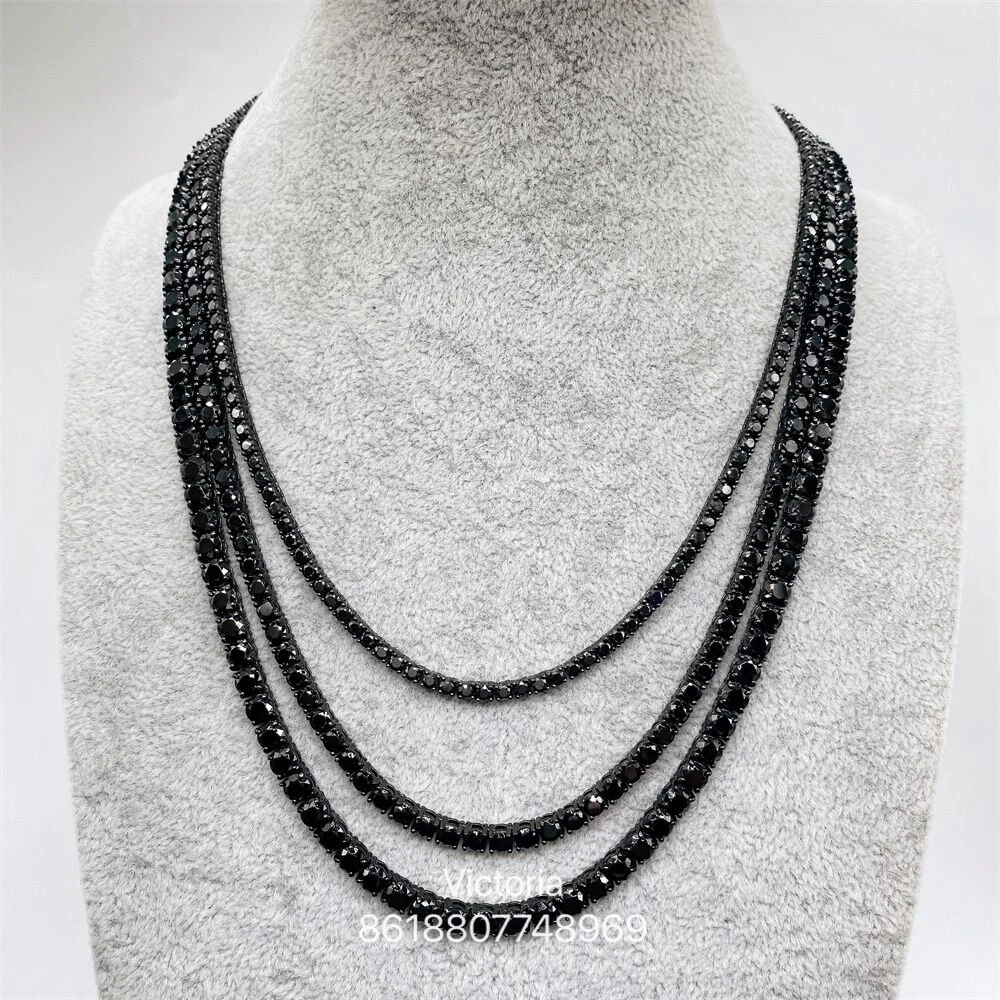
... (few sentences)
| Feature | Specification | Benefit |
|---|---|---|
| ....... |
(customization hints) ...
(a short introduction to inspire customers)
| Parameter | Base Model | Advanced Model | Pro Model |
|---|---|---|---|
| ... |
...
Ah, so in the structured requirements, the user first mentions Technical Parameters Table with Columns: Feature, Specification, Application Scenario. But in the example format, they have Technical Specifications with Feature, Specification, Benefit. So there's a conflict here. The user might have made an error, but since the example format is more specific, perhaps they want the Technical Specifications table to have Feature, Specification, Benefit. The initial instruction's structured requirements might be a mistake. Alternatively, maybe the user intended the Technical Parameters Table as per the example. To resolve this, I'll follow the example format provided, which uses Benefit instead of Application Scenario. Because the example is more concrete.
Proceeding with that, the Technical Specifications table will have Feature, Specification, Benefit.
Now, compiling the Technical Specifications:
Features would be Material, Diamond Shape, Inlay Technology, Length Options, Main Stone Options, Style, etc.
Specifications are the actual values from the product attributes. Benefits are the advantages each brings.
For example:
Feature: Material Composition Specification: Silver with Moissanite Benefit: Combines durability of silver with the brilliance of lab-grown moissanite.
Similarly for other features.
Customization Guide: The user wants hints on adjustable parameters. The product allows choosing diameter (3-5mm), length (multiple options), main stone type (diamond, moissanite, none). So the customization hint can suggest adjusting diameter for desired visibility, length for neck size or style preference, and stone type for budget or aesthetic needs.
Get Inspiration: A paragraph encouraging customers to choose based on occasion. E.g., "Whether for a wedding, anniversary, or bold fashion statement, our customizable black moissanite tennis chains offer versatility..."
Choose Your Model Table: The three models are 3mm (Base), 4mm (Advanced), 5mm (Pro). The parameters could be Diamond Diameter, Length Range, Stone Type Options, and maybe Style.
For example:
| Parameter | Base Model | Advanced Model | Pro Model |
|---|---|---|---|
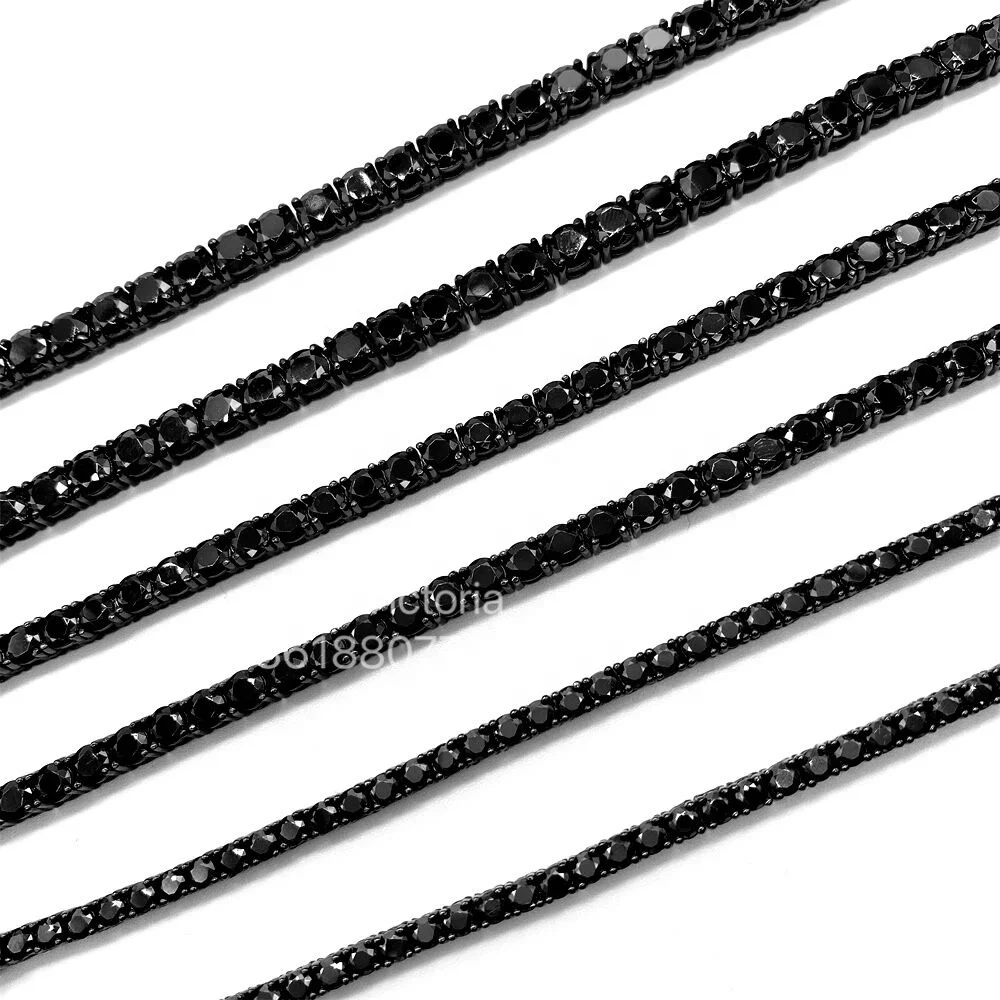
| Diamond Diameter | 3mm | 4mm (+33% vs Base) | 5mm (+66% vs Base) |
| Length Options | 16", 18", 20" | 18", 20", 22" | 20", 22", 24" |
| Main Stone Options | Moissanite only | Moissanite/Diamond | All options (incl. none) |
| Style | Classic Tennis | Classic + Hip Hop | Customizable styles |
Wait, the product attributes mention style:hip hop, so maybe the Pro model allows more style options. Or perhaps the style is fixed as hip hop, but that conflicts with the image's classic tennis. Hmm, the product attributes say style:hip hop, but the image shows classic tennis. Maybe the hip hop style is an alternative option. Need to clarify. Since the product attributes include "style:hip hop", perhaps the style is part of customization. So in the Choose Your Model table, maybe the Pro model offers more style options.
Alternatively, maybe the hip hop style is a separate feature. The user might have conflicting data here. Since the image shows classic tennis, but the attributes say hip hop, perhaps it's a typo. Alternatively, the style could be a separate option. Since the user's input includes "style:hip hop", I'll include that as a feature in Technical Specifications.
Managers Note: First paragraph should highlight three technical breakthroughs. For example:
Second paragraph guides users: Base for everyday wear, Advanced for semi-formal, Pro for events.
Also, ensure using "With X, you can Y" structure. For example, "With a 5mm diameter, you can create a bold statement at formal events."
Comparative hints: Like "30% larger than industry standard 3.8mm necklaces."
Need to check all product attributes are covered. The application includes anniversary, wedding, etc., so the scenarios should reflect that.
Putting it all together in the required markdown format, ensuring tables are correctly structured and all sections are present. </think>

The Product Description is generated by third-party, and Alibaba.com is not liable for any risks related to inaccuracies or the infringement of third-party rights.
The information in this Product Description may differ from the details on the product listing page on Alibaba.com. Additionally, the contents may not be updated in real-time with the product listing page on Alibaba.com, and there may be delays in reflecting the most updated information. The description on product listing page takes precedence. You shall not rely on this Product Description in making transaction decisions.
The comparison data is based on manufacturer information and industry standards. Actual results may vary depending on individual use cases. It is advisable to verify details with the supplier for the most accurate information.