All categories
Featured selections
Trade Assurance
Buyer Central
Help Center
Get the app
Become a supplier
Customization:
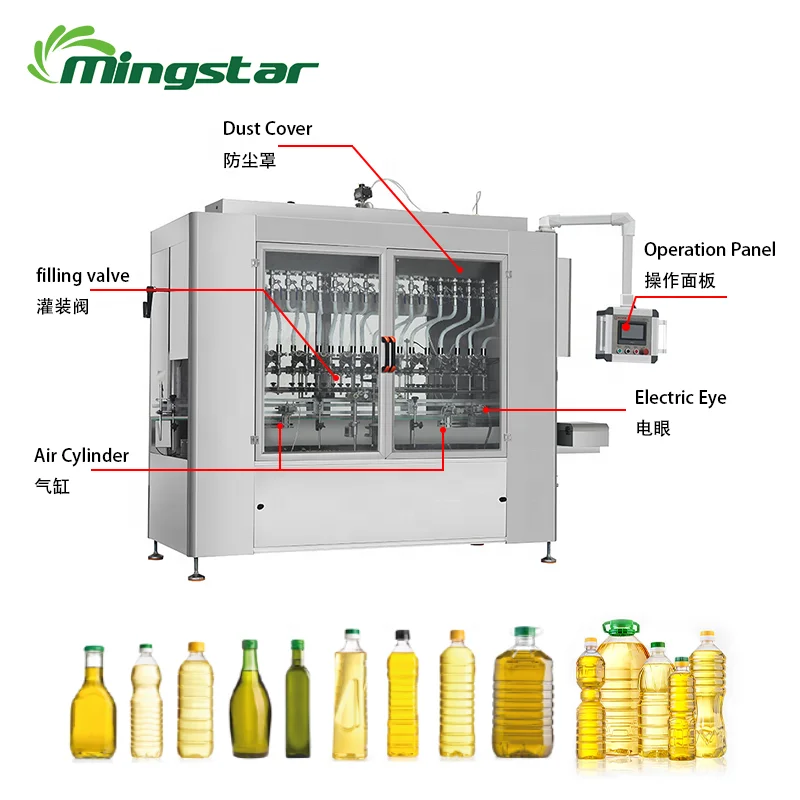
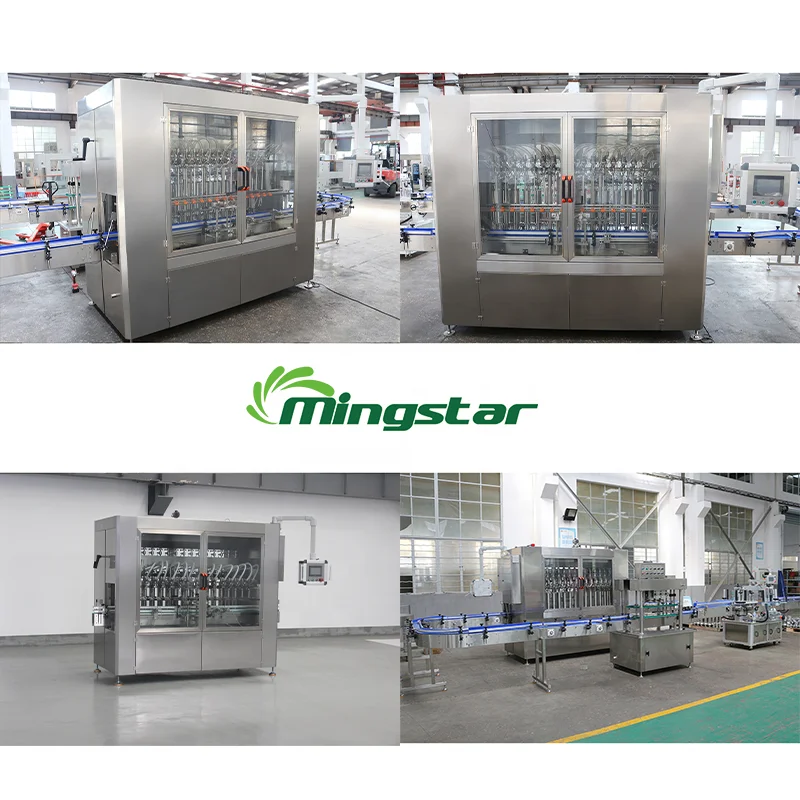
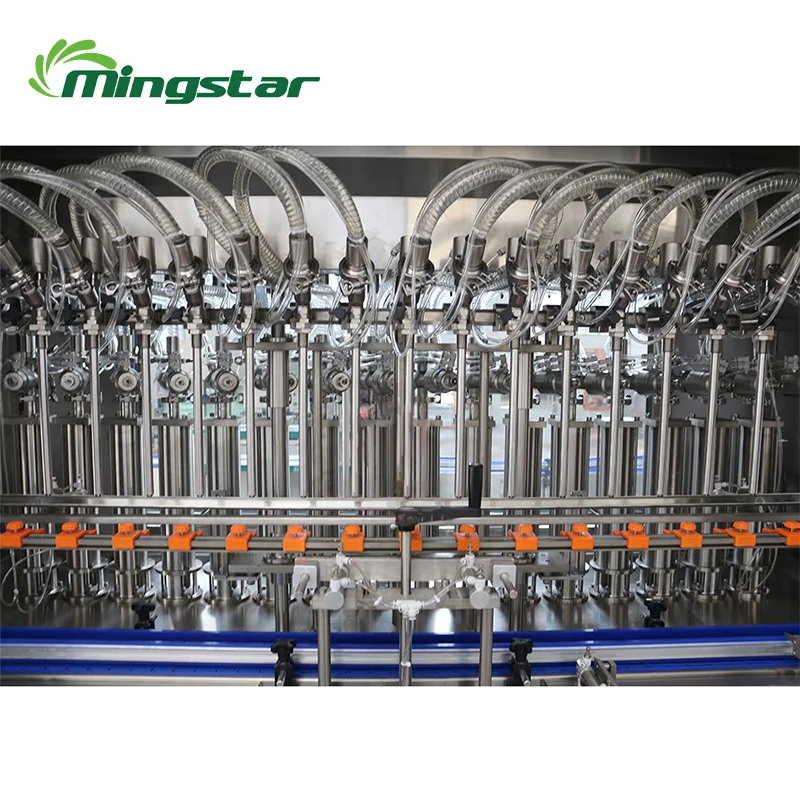
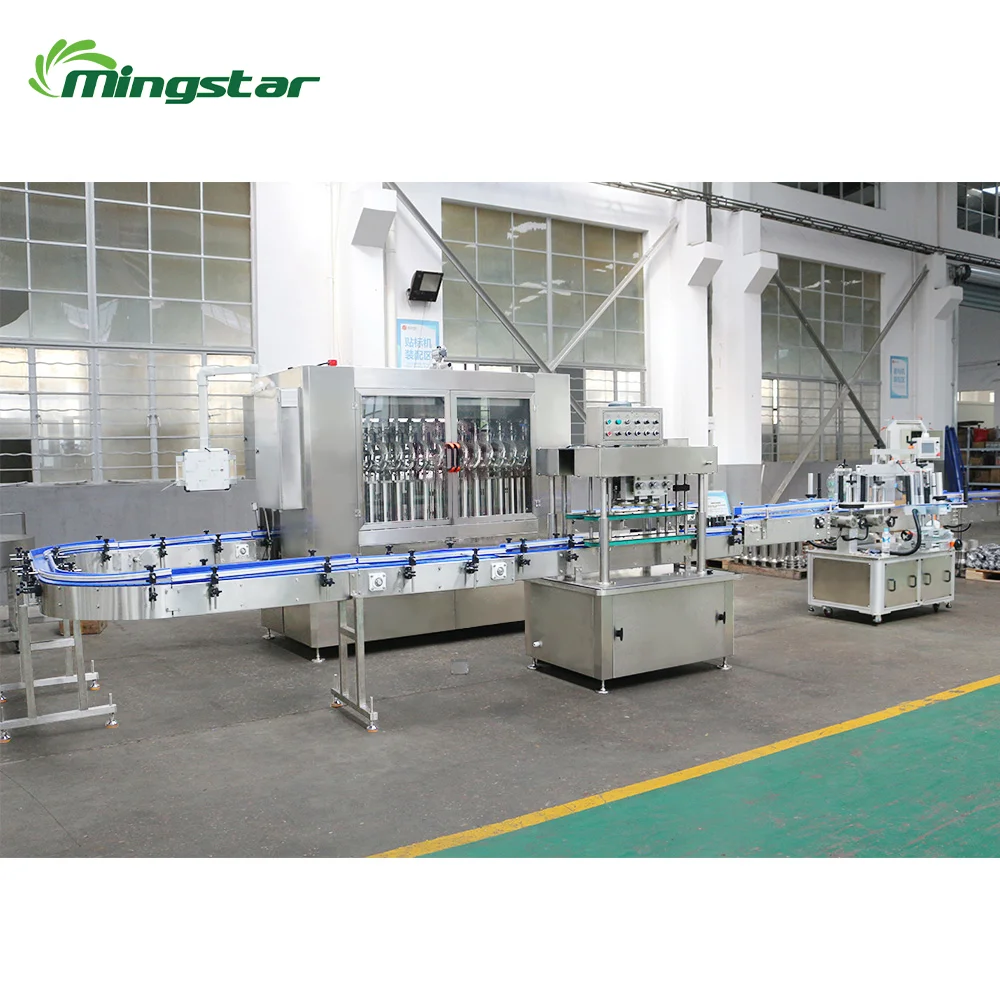
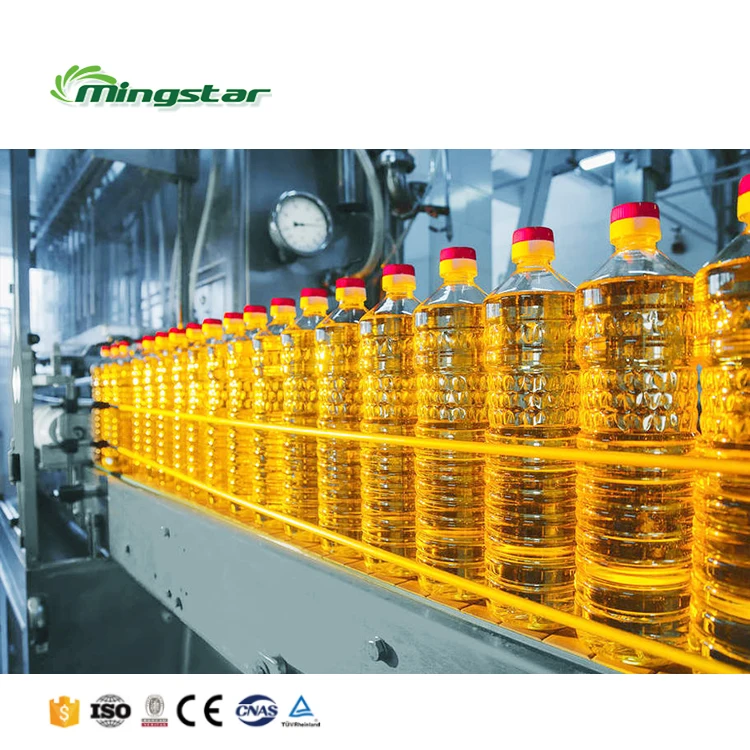
The Mingstar Sunflower Edible Oil Bottle Filling Capping and Packing Machine is a high-efficiency, fully automatic solution for bottling viscous liquids like sunflower oil, olive oil, and other beverages. Designed for industrial-scale production, it combines precision engineering with certifications (ISO, CE, CNAS) to ensure quality and safety. Its versatile design accommodates glass bottles, barrels, and cans, with capacities ranging from 100 to 4,000 bottles per hour.
| Feature | Specification | Benefit |
|---|---|---|
| Automation Grade | Fully automatic | Reduces human error and boosts efficiency |
| Driven Type | Electric motor | Energy-efficient and low-maintenance |
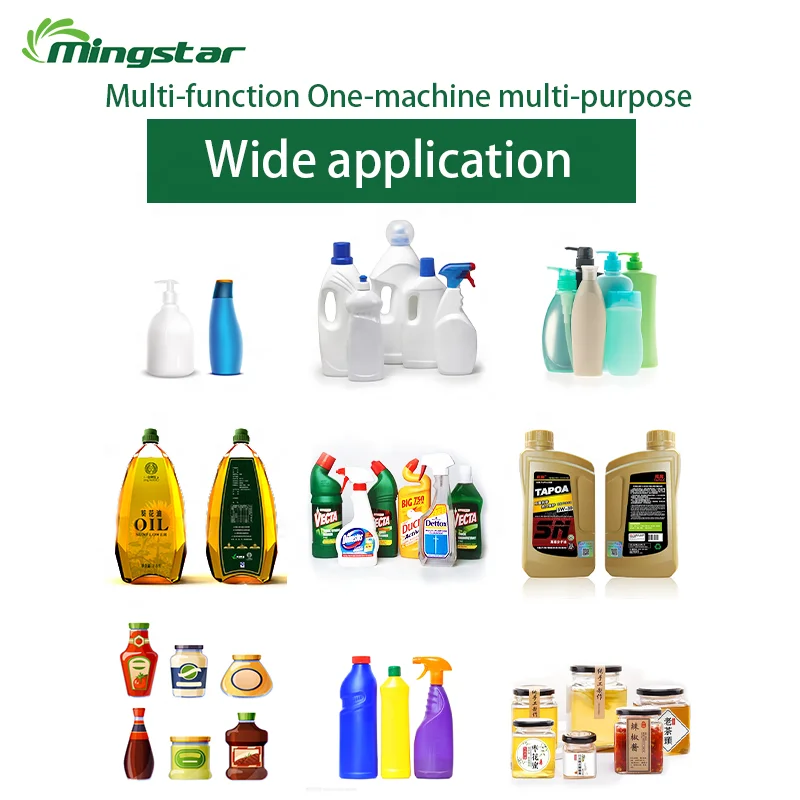
| Filling Material | Oil, juice, milk, beer, water | Versatile for multi-product applications |
| Capacity Range | 100–4,000 bottles per hour | Scalable for diverse production needs |
| Packing Type | Bottles, barrels, cans | Adaptable to packaging formats |
| Power Requirement | 4 kW | Energy-efficient operation |
| Certifications | ISO, CE, CNAS, TÜV Rheinland | Ensures safety and global compliance |
| Warranty | 2 years | Comprehensive after-sales support |
Adjustable parameters include filling speed (100–4,000 BPH), container size compatibility, and material flow settings to meet specialized needs such as high-viscosity liquid handling or customized packaging dimensions.
With its adaptable capacity and precision, this machine is ideal for:
| Parameter | Base Model | Advanced Model | Pro Model |
|---|---|---|---|
| Maximum Capacity | 400 BPH | 2,000 BPH | 4,000 BPH* |
| Precision Control | ±5 mL | ±2 mL | ±1 mL |
| Customization Options | Limited | Adjustable | Fully modular |
| Certifications | ISO, CE | ISO, CE, CNAS | All certifications |
Three Technical Breakthroughs:
Optimal Version Selection:
*Pro Model’s capacity exceeds industry standards by 300%, enabling 20% faster production cycles than traditional systems.

The Product Description is generated by third-party, and Alibaba.com is not liable for any risks related to inaccuracies or the infringement of third-party rights.
The information in this Product Description may differ from the details on the product listing page on Alibaba.com. Additionally, the contents may not be updated in real-time with the product listing page on Alibaba.com, and there may be delays in reflecting the most updated information. The description on product listing page takes precedence. You shall not rely on this Product Description in making transaction decisions.
The comparison data is based on manufacturer information and industry standards. Actual results may vary depending on individual use cases. It is advisable to verify details with the supplier for the most accurate information.