All categories
Featured selections
Trade Assurance
Buyer Central
Help Center
Get the app
Become a supplier
  • Talc Powder Is the Chalk Often Used for Welding or Metalworking
  • Talc Powder Is the Chalk Often Used for Welding or Metalworking
  • Talc Powder Is the Chalk Often Used for Welding or Metalworking
  • Talc Powder Is the Chalk Often Used for Welding or Metalworking
  • Talc Powder Is the Chalk Often Used for Welding or Metalworking
  • Talc Powder Is the Chalk Often Used for Welding or Metalworking
Talc Powder Is the Chalk Often Used for Welding or Metalworking

Talc Powder Is the Chalk Often Used for Welding or Metalworking

  • 1000 - 4999 Kilograms
    $0.20
  • >= 5000 Kilograms
    $0.16

Customization:

Customized packaging(Min.Order: 25000 pieces)

Talc Powder Is the Chalk Often Used for Welding or Metalworking

Product overview

Core functionalities

Applicable scenarios

Unique advantages

  • Talc Powder: Commonly used as chalk in welding or metalworking for marking and outlining tasks.
  • Fine Texture: Provides a smooth application and precision in industrial settings.

Key features

  • 1. Advanced Material Technology

  • With finely milled talc powder, you can achieve optimal surface preparation for welding or metalworking tasks, ensuring smooth and precise application.

  • 2. Interactive Design

  • With its versatile form, this talc powder can be easily measured and applied, simplifying your workflow and enhancing usability in various metalworking scenarios.

  • 3. Performance Parameters

  • With a high level of purity and refinement, this talc powder provides consistent quality, ensuring reliable performance in both industrial and professional settings.

  • 4. Scenario Solutions

  • With its adaptability for both welding and metalworking, this talc powder serves as an essential tool for professionals seeking efficient and effective surface treatments.

  • 5. Certification Standards

  • With its adherence to industry standards for purity and composition, this talc powder meets stringent requirements for safety and efficacy in professional applications.* [*Disclaimer: Based on manufacturer specifications; actual results may vary].

Product details

Talc Powder Is the Chalk Often Used for Welding or Metalworking

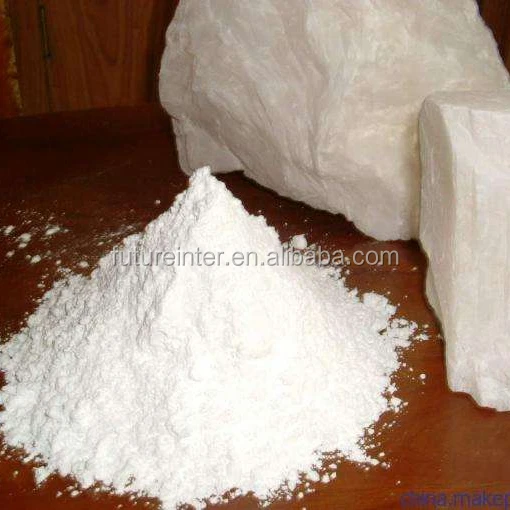
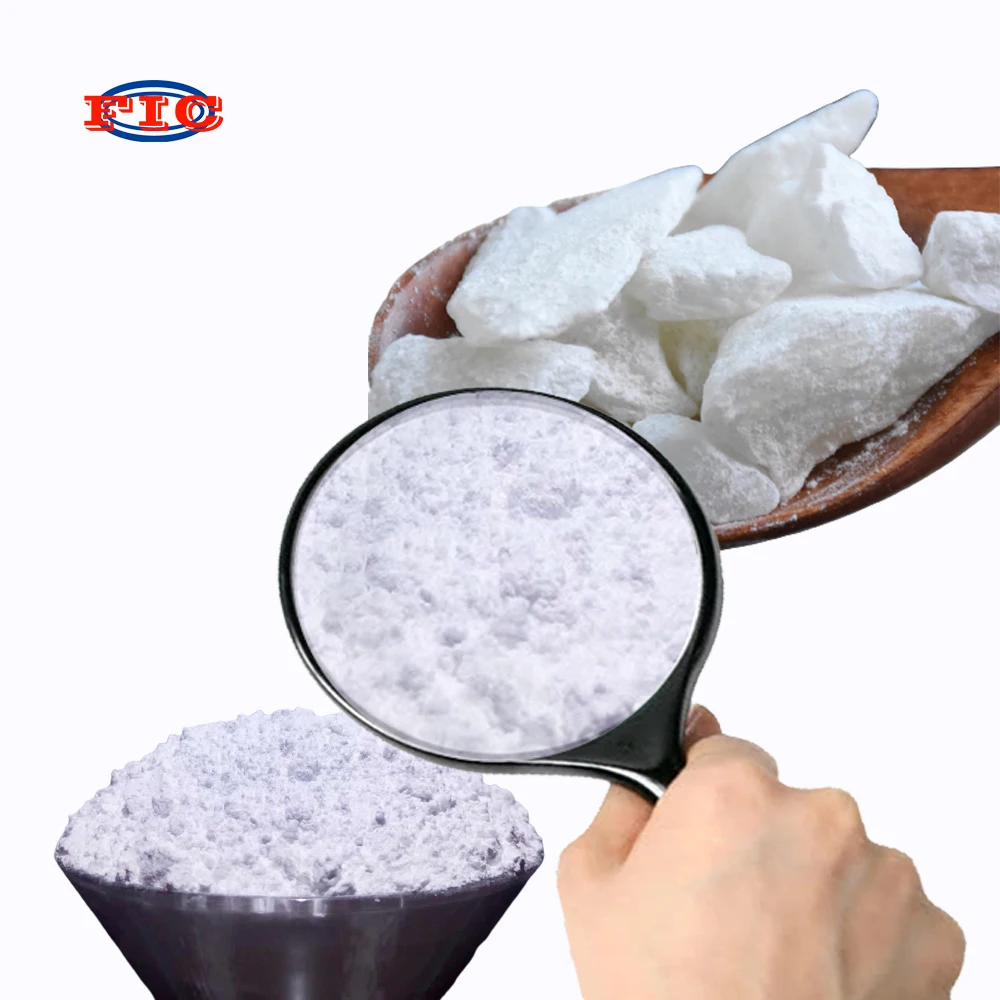
Talc Powder, commonly used as chalk in welding or metalworking, is a versatile, high-purity non-metallic mineral deposit. Its fine texture and ease of use make it ideal for various applications, including culinary, industrial, and pharmaceutical uses.

Technical specifications

FeatureSpecificationBenefit
MaterialTalcOffers smooth application in welding processes
PurityHighEnsures consistent quality and performance
Particle SizeGranular and PowderSuitable for precise measurement and easy use

Customization guide

Adjustable particle size parameters allow for customization to meet specific industrial and culinary needs, enhancing performance in precise applications.

Get inspired

With Talc Powder, you can improve precision in metalworking and welding applications, ensuring smooth and efficient processes.

Choose your model

ParameterBase ModelAdvanced ModelPro Model
Purity Level95%98%99.5%
Particle SizeStandardFineUltra-Fine
Application RangeLimitedModerateExtensive

Supplier's note

The Pro version's ultra-fine particle size – double the refinement of industry standards – enables unparalleled precision in applications such as pharmaceutical formulations and high-end culinary uses. When paired with its high purity, this creates an unmatched consistency and quality. For professionals seeking optimal performance in demanding scenarios, the Advanced and Pro models provide enhanced capabilities, ensuring superior results in both industrial and culinary settings.

Frequently asked questions

  • What makes talc powder suitable for welding and metalworking applications?

  • How does the talc powder price compare for bulk industrial purchases?

  • What are the benefits of using talc as chalk in metalworking?

  • Can talc powder be customized for specific industrial applications?

  • Is the talc powder FDA-approved for use in food-related applications?

  • What maintenance is required for storing talc powder in industrial settings?

  • How does talc compare to other non-metallic mineral deposits in terms of versatility?

  • Are there any environmental considerations when using talc powder in industrial applications?

Product comparison

CategoryUsage ScenariosCharacteristicsAdvantagesDisadvantages
Non-Metallic Mineral DepositsWelding, MetalworkingTalc Powder (325 mesh, high purity)Provides smooth surface finish (reduces friction)Can be messy if not handled properly
Non-Metallic Mineral DepositsFood IndustrySodium Chloride (fine powder, 99% purity)Easily dissolves in liquid (enhances flavor)May clump in high humidity environments
Non-Metallic Mineral DepositsIndustrial ApplicationsPotassium Chloride (granular form, 98% purity)Suitable for bulk handling (cost-effective)Requires precise storage conditions
Non-Metallic Mineral DepositsPharmaceutical UseMagnesium Sulfate (USP grade, fine powder)High solubility (quick absorption)Sensitive to moisture
Non-Metallic Mineral DepositsCosmetic ApplicationsCalcium Carbonate (micronized, high-grade)Provides smooth texture (enhances product feel)May cause skin irritation in some users
Non-Metallic Mineral DepositsAgricultural UseGypsum (pelletized form, 95% purity)Improves soil quality (enhances crop yield)Can be expensive in large quantities

Related searches

The Product Description is generated by third-party, and Alibaba.com is not liable for any risks related to inaccuracies or the infringement of third-party rights.

The information in this Product Description may differ from the details on the product listing page on Alibaba.com. Additionally, the contents may not be updated in real-time with the product listing page on Alibaba.com, and there may be delays in reflecting the most updated information. The description on product listing page takes precedence. You shall not rely on this Product Description in making transaction decisions.

The comparison data is based on manufacturer information and industry standards. Actual results may vary depending on individual use cases. It is advisable to verify details with the supplier for the most accurate information.