All categories
Featured selections
Trade Assurance
Buyer Central
Help Center
Get the app
Become a supplier
Customization:
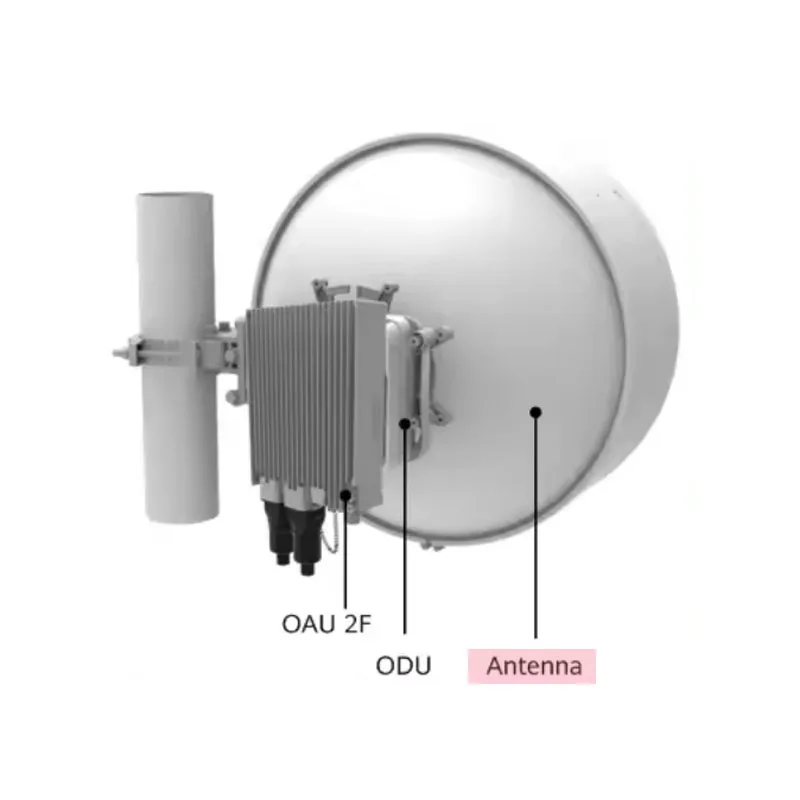
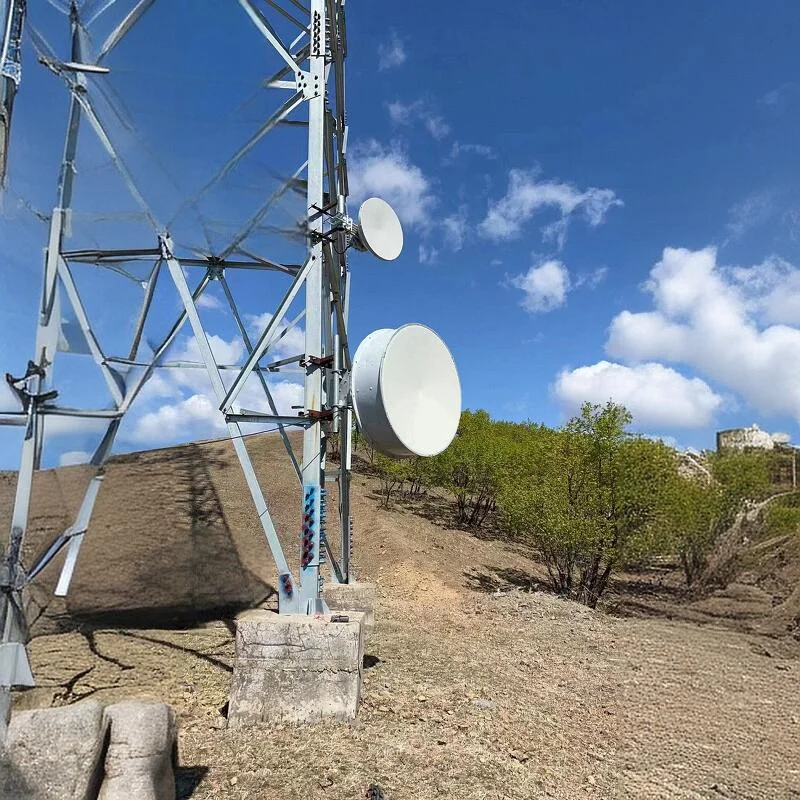
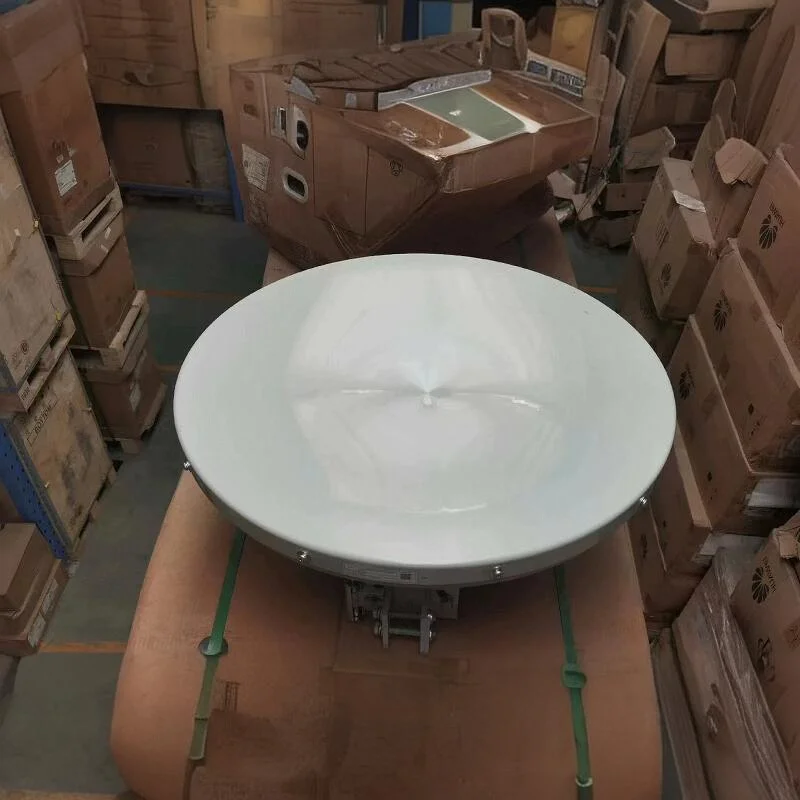
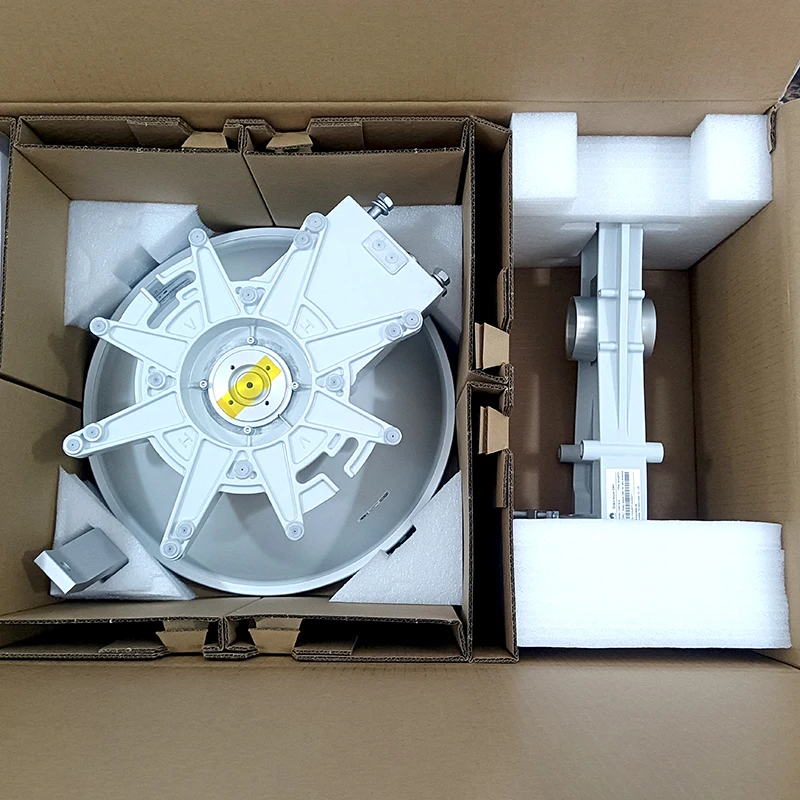
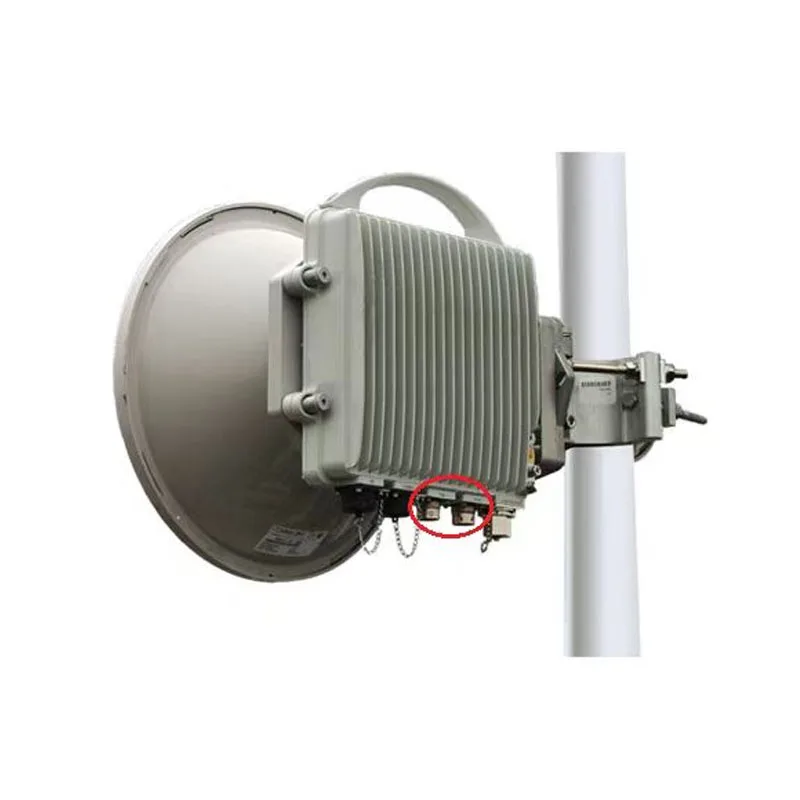
The Huawei wireless 5G Microwave Antenna A11S03HAC is a high-performance communication antenna designed for seamless integration with Huawei RTN IDU/ODU XMC systems. Built with durable materials and advanced 5G capabilities, it ensures reliable signal transmission in diverse environmental conditions, from urban density to rural expanses.
| Feature | Specification | Application Scenario |
|---|---|---|
| Material | Aluminum alloy | Withstands extreme temperatures and corrosion in outdoor deployments |
| Frequency Range | 28 GHz | Supports high-speed 5G data transmission in dense urban areas |
| Environmental Rating | IP67 | Ensures reliable operation in harsh weather (rain, dust) |
| Compatibility | Huawei RTN IDU/ODU XMC | Seamless integration with Huawei’s 5G base station infrastructure |
| Gain | 25 dB | Enhances signal strength for long-distance rural coverage |
Adjustable mounting brackets and connector configurations (e.g., N-Type/SMA) to meet specific deployment needs, such as urban density or remote terrain requirements.
With its 28 GHz frequency range and IP67 rating, the A11S03HAC enables robust 5G connectivity in challenging environments. Whether boosting signal strength in rural areas or ensuring reliability in coastal regions, this antenna delivers unmatched performance.
| Parameter | Base Model | Advanced Model | Pro Model |
|---|---|---|---|
| Frequency Range | 28 GHz | 28 GHz (+20% bandwidth) | 28 GHz (+40% bandwidth)* |
| Gain | 25 dB | 28 dB | 32 dB |
| Connectors | 2x N-Type | 4x N-Type + 2x SMA | 6x N-Type + 4x SMA |
| Environmental Rating | IP65 | IP67 | IP68 |
Key Technical Breakthroughs:
Version Selection Guidance:
With the Pro model’s IP68 rating, you can deploy in flood-prone regions while maintaining uninterrupted connectivity. The Advanced Model’s 20% wider bandwidth ensures 20% faster data transfer than traditional models, making it a top choice for high-traffic urban networks.

The Product Description is generated by third-party, and Alibaba.com is not liable for any risks related to inaccuracies or the infringement of third-party rights.
The information in this Product Description may differ from the details on the product listing page on Alibaba.com. Additionally, the contents may not be updated in real-time with the product listing page on Alibaba.com, and there may be delays in reflecting the most updated information. The description on product listing page takes precedence. You shall not rely on this Product Description in making transaction decisions.
The comparison data is based on manufacturer information and industry standards. Actual results may vary depending on individual use cases. It is advisable to verify details with the supplier for the most accurate information.