3d Lidar Arduino













 1/2
1/2



















 1/25
1/25

 CN
CN








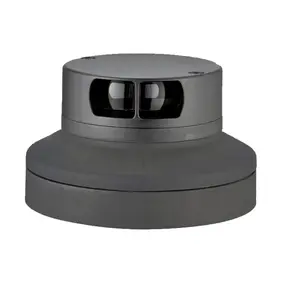 1/30
1/30


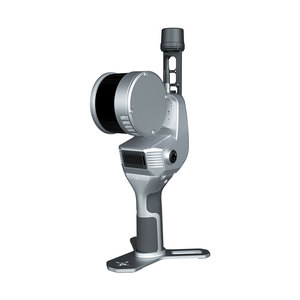
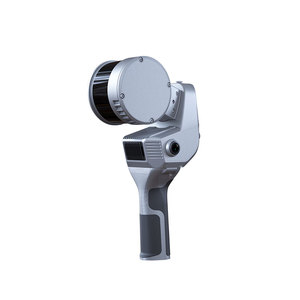



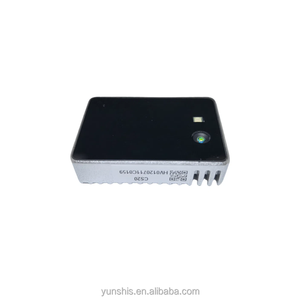

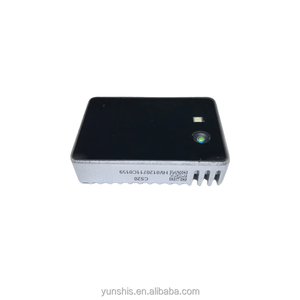
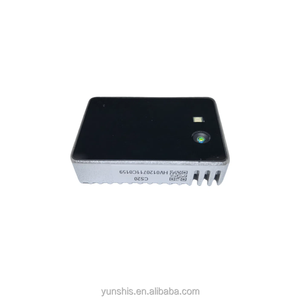
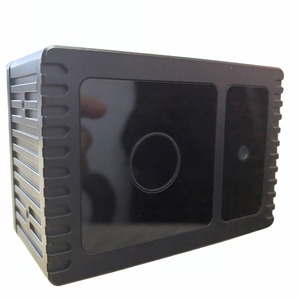


 1/5
1/5


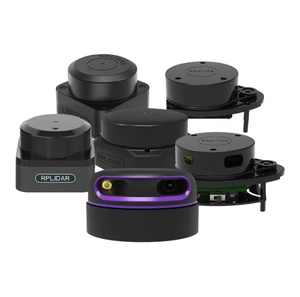

About 3d lidar arduino
Where to Find 3D LiDAR Arduino Suppliers?
China remains the central hub for 3D LiDAR and Arduino-compatible sensor manufacturing, with key production clusters in Chengdu, Shenzhen, and Shanghai driving innovation and cost efficiency. Chengdu-based suppliers specialize in laser rangefinder integration, leveraging regional expertise in optical sensing components to achieve compact, low-power designs suitable for robotics and IoT applications. Shenzhen’s electronics ecosystem enables rapid prototyping and scalable production of embedded LiDAR modules, supported by a dense network of PCB fabricators, firmware developers, and component distributors.
These industrial zones offer vertically integrated supply chains that reduce assembly lead times by up to 30% compared to non-specialized regions. Manufacturers benefit from localized access to TOF (Time-of-Flight) sensors, UART communication ICs, and motor control units, enabling modular product development. Buyers can expect standard lead times of 15–25 days for small-batch orders, with economies of scale reducing unit costs significantly beyond 100-piece quantities. The region also supports hybrid solutions combining LiDAR with IMU, binocular vision, and SLAM algorithms for advanced navigation systems.
How to Choose 3D LiDAR Arduino Suppliers?
Selecting reliable suppliers requires rigorous evaluation across technical, operational, and transactional dimensions:
Technical Compatibility & Integration
Confirm device compatibility with Arduino platforms (Uno, Mega, Nano) and support for standard protocols such as UART, I2C, or ROS (Robot Operating System). Verify signal accuracy under varying ambient conditions—reputable suppliers provide test reports detailing range precision (±1–3 cm), scanning frequency (10–100 Hz), and angular resolution (0.25°–1°).
Production and Quality Assurance
Assess supplier capabilities through verifiable metrics:
- On-time delivery rate exceeding 95%
- Response time under 5 hours for technical inquiries
- Evidence of systematic quality control, including burn-in testing and environmental stress screening
Prioritize suppliers with documented compliance to RoHS standards and consistent online revenue above US $20,000, indicating market validation and financial stability.
Procurement Risk Mitigation
Utilize secure payment mechanisms such as escrow services for initial transactions. Request functional samples before bulk ordering to validate performance claims. For high-volume procurement, verify export experience via shipment records and customer references in target markets. Minimum Order Quantities (MOQs) vary widely—from 1 piece for R&D buyers to 100+ units for OEM integrators—offering flexibility but requiring clarity on pricing tiers.
What Are the Best 3D LiDAR Arduino Suppliers?
| Company Name | Location | Main Products | Price Range (USD) | MOQ | On-Time Delivery | Avg. Response | Online Revenue | Reorder Rate |
|---|---|---|---|---|---|---|---|---|
| Chengdu Jrt Meter Technology Co., Ltd. | Chengdu, CN | Laser Rangefinders, Optical Sensors, Proximity Sensors | $47–$99 | 1–2 pieces | 100% | ≤3h | US $40,000+ | <15% |
| Shanghai Xuanxin Technology Co., Ltd. | Shanghai, CN | Development Boards, Robotics Kits, Camera Modules | $422–$849 | 1–2 pieces | 90% | ≤5h | US $30,000+ | 20% |
| Shenzhen Mingweida Electronics Co., Ltd. | Shenzhen, CN | Electronic Modules, Camera Modules, ICs | $32–$2,620 | 1–2 pieces | 97% | ≤2h | US $20,000+ | <15% |
| Shenzhen Lonten Technology Co., Limited | Shenzhen, CN | Electronic Components, Robotics Kits, Development Boards | $1,500–$13,888 | 2 pieces | 91% | ≤7h | US $140,000+ | 27% |
| Shanghai Apekstool Optoelectronic Technology Co., Ltd. | Shanghai, CN | LiDAR Scanners, GPS/GNSS Receivers, Test Instruments | $13,000–$18,000 | 1 set | 100% | ≤2h | US $340,000+ | 25% |
Performance Analysis
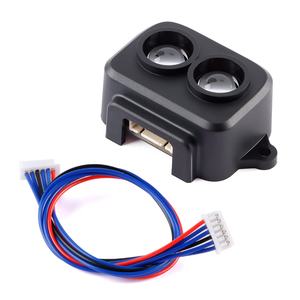
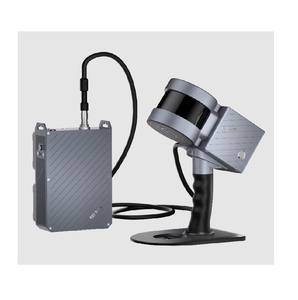
Chengdu Jrt Meter stands out for affordability and accessibility, offering entry-level 3D LiDAR modules starting at $47 with no volume commitment—ideal for prototyping. Shenzhen Mingweida combines fast response times (≤2h) with competitive mid-tier pricing on LD06 and DTOF-based scanners, appealing to agile development teams. High-end system integrators like Shanghai Apekstool cater to industrial automation and surveying sectors with complete 3D scanning solutions, though at premium price points reflecting professional-grade accuracy and calibration. Notably, lower reorder rates (<15%) among some top performers suggest niche positioning rather than broad commercial deployment. Buyers seeking scalability should prioritize suppliers with proven delivery consistency and transparent technical documentation.
FAQs
How to verify 3D LiDAR Arduino supplier reliability?
Cross-check declared certifications and request product test reports covering distance accuracy, scan rate, and power consumption. Evaluate responsiveness and technical depth during pre-sales inquiries. Analyze transaction history, focusing on dispute resolution outcomes and customer feedback related to product consistency.
What is the typical sampling timeline for LiDAR sensors?
Standard sample processing takes 5–10 business days. Complex configurations involving ROS integration or custom firmware may require 15–20 days. Air shipping adds 7–12 days depending on destination.
Can suppliers support global shipping?
Yes, most suppliers offer international logistics via express carriers (DHL, FedEx) or freight forwarding. Confirm Incoterms (e.g., FOB, CIF) and ensure compliance with import regulations for electronic sensing devices in the destination country.
Do manufacturers provide free samples?
Free samples are rare for high-value LiDAR units. Most suppliers charge full or partial cost for initial units, which may be credited toward future bulk orders. Exceptions exist for qualified OEMs with projected annual volumes exceeding 500 units.
How to initiate customization requests?
Submit detailed requirements including detection range (e.g., 12m, 40m, 1200m), interface type (TTL, USB, RS485), power supply (3.3V/5V), and mechanical constraints. Leading suppliers offer SDKs, API libraries, and application notes to accelerate integration with Arduino and Raspberry Pi environments.





