3d Shape Robot Project













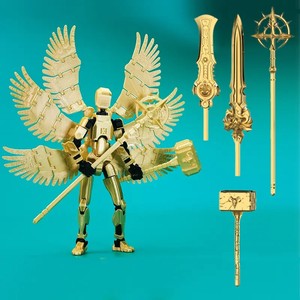
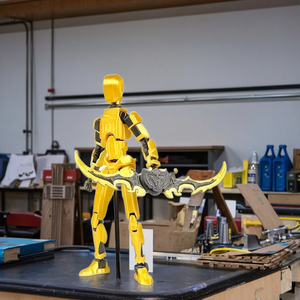
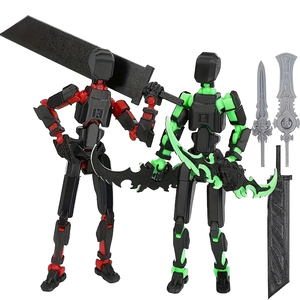
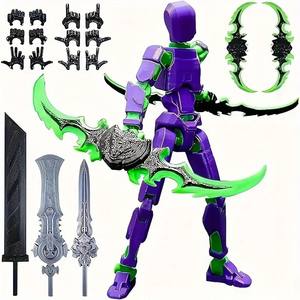







 CN
CN





















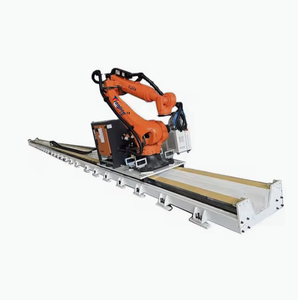
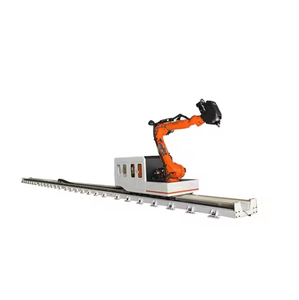


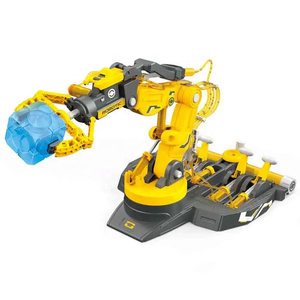
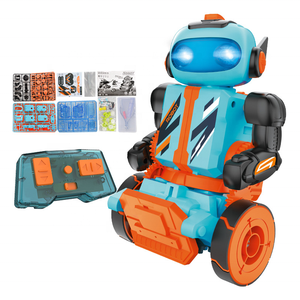





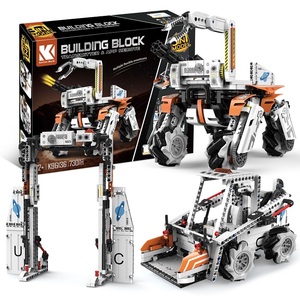



About 3d shape robot project
Where to Find 3D Shape Robot Project Suppliers?
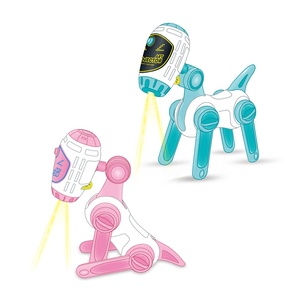
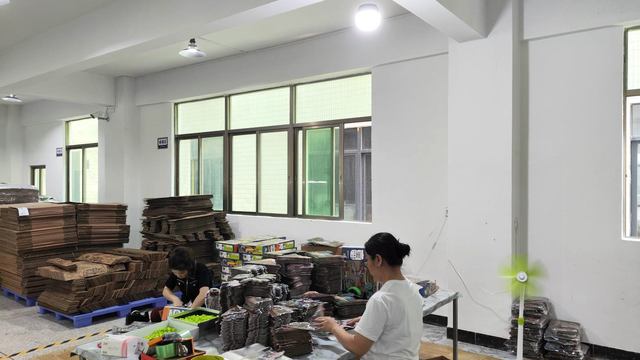
China remains a central hub for the manufacturing of educational and decorative robotics, with key suppliers concentrated in Guangdong and Fujian provinces. Dongguan and Shantou serve as primary production centers for 3D-shaped robot kits, leveraging mature supply chains in electronics, precision machining, and rapid prototyping. These regions support integrated workflows from design and CNC/3D printing to assembly and packaging, enabling efficient production of DIY science toys and STEM-focused robotic models.
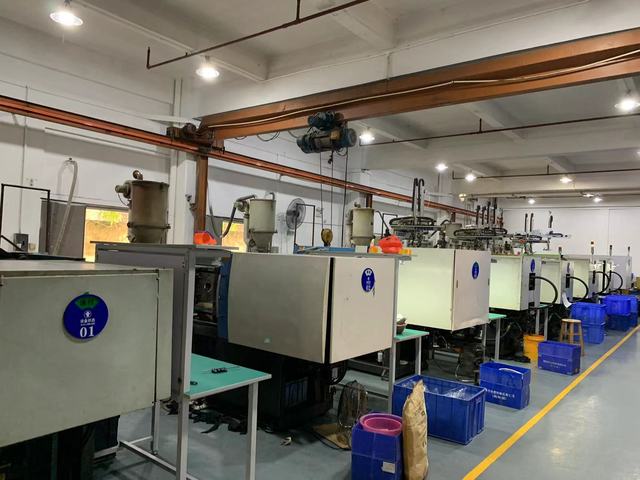
Suppliers in this sector often operate within vertically aligned ecosystems, combining in-house tooling, injection molding, and electronic integration capabilities. This vertical integration allows for reduced lead times—typically 15–25 days for standard orders—and cost efficiencies due to localized component sourcing. Buyers benefit from scalable production capacity, with some manufacturers reporting monthly outputs exceeding thousands of units across multiple product lines. The proximity to Shenzhen’s electronics corridor further enhances access to microcontrollers, motors, and battery systems essential for functional robot projects.
How to Choose 3D Shape Robot Project Suppliers?
Selecting reliable partners requires systematic evaluation based on technical capability, quality assurance, and transaction reliability:
Production & Customization Capability
Assess whether suppliers offer customization in color, material (wood, plastic, metal), size, and branding (logo, packaging). Leading manufacturers provide OEM/ODM services supported by dedicated R&D teams. Confirm availability of 3D modeling, prototype development, and design validation processes. Suppliers with in-house machining or 3D printing facilities—such as those offering resin or UV-resistant printed models—are better equipped for complex geometries and rapid iteration.
Quality Management Indicators
Prioritize suppliers with documented quality control systems. While formal certifications like ISO 9001 are not universally listed, performance metrics such as on-time delivery rates (>98%) and reorder rates (>40%) serve as proxies for operational reliability. Response time under 2 hours indicates strong customer service infrastructure. Cross-reference these KPIs with order volume history to assess scalability.
Transaction and Risk Mitigation
Verify supplier credibility through verifiable transaction data and secure payment terms. Favor suppliers with established online revenue streams and transparent minimum order quantities (MOQs). Conduct sample testing to evaluate material durability, joint mechanics, and electronic functionality where applicable. Use third-party inspection services for bulk orders, especially when sourcing motorized or electric crawling robots requiring circuit integrity.
What Are the Best 3D Shape Robot Project Suppliers?
| Company Name | Main Products | Monthly Output Capacity | MOQ | Lead Time | On-Time Delivery | Avg. Response | Ratings | Reorder Rate |
|---|---|---|---|---|---|---|---|---|
| Dongguan Bowen Electronic Technology Limited | Wooden Robot Models, DIY Science Kits | High-volume production | 10 pieces | 15–20 days | 98% | ≤1h | Consistent listings | 19% |
| Shantou Capable Toys Co., Ltd. | STEM Robotics, Mechanical Building Sets | Scalable batch production | 72–144 units | 20–25 days | 100% | ≤6h | OEM/ODM supported | <15% |
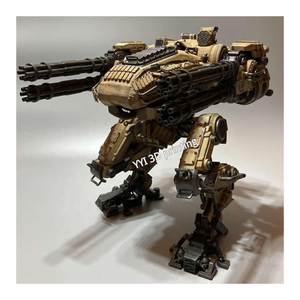
| Dongguan Yyi Technology Co., Ltd. | 3D Printed Smart Robots, Prototyping Services | Custom-run focused | 1 piece | 10–15 days | 100% | ≤2h | Prototyping specialization | 50% |
| Haikou Meilan Maina Craft Studio (individual Business) | Life-Size Outdoor Metal Robots | Boutique/custom fabrication | 1 set | 30–45 days | 100% | ≤4h | Artistic metalwork | <15% |
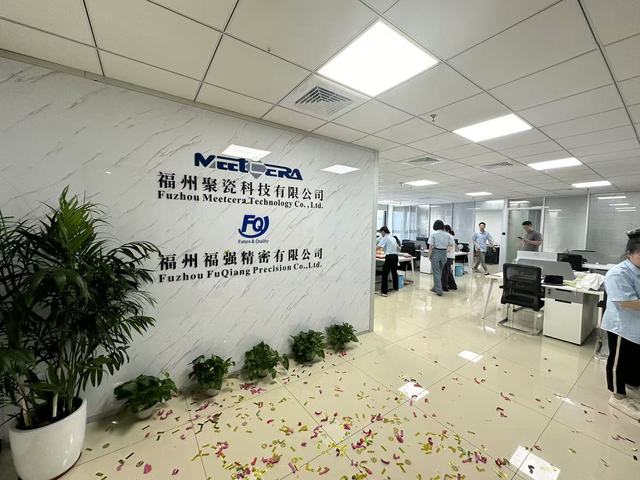
| Fuzhou Meetcera Technology Co., Ltd. | 3D Printed Movable Robots, Desktop Decor | Mid-volume production | 100 pieces | 15–20 days | 100% | ≤6h | High reorder demand | 42% |
Performance Analysis
Dongguan Yyi Technology and Fuzhou Meetcera stand out for high reorder rates (50% and 42% respectively), indicating strong customer satisfaction in niche segments such as 3D-printed prototypes and desktop robotics. Dongguan-based suppliers lead in responsiveness, with two achieving sub-2-hour average reply times. Shantou Capable Toys offers structured STEM-focused kits with higher MOQs, suitable for institutional buyers or distributors. For low-MOQ or single-unit prototyping, Dongguan Yyi provides exceptional flexibility with no minimum order constraints. Haikou Meilan specializes in large-scale artistic installations, catering to commercial decor rather than mass-market toys. Buyers seeking customizable, small-batch production should prioritize suppliers with machining and 3D printing expertise, while bulk purchasers may favor established toy manufacturers with proven logistics throughput.
FAQs
How to verify 3D shape robot project supplier reliability?
Evaluate on-time delivery records, response times, and reorder rates as indicators of service consistency. Request evidence of past production runs, packaging standards, and material compliance (e.g., non-toxic plastics, RoHS). For electronic components, confirm circuit safety and battery specifications meet international standards.
What is the typical sampling timeline?
Standard samples take 7–14 days for pre-existing designs. Custom 3D-printed or mechanically assembled prototypes require 10–20 days depending on complexity. Shipping via express courier adds 3–7 days internationally.
Can suppliers produce customized robot shapes?
Yes, many suppliers offer full customization in geometry, articulation, materials, and branding. Provide CAD files or concept sketches for quotation. Manufacturers with in-house design and machining capabilities can deliver prototypes within three weeks.
Do suppliers support private labeling and packaging?
Most suppliers listed offer logo printing, custom box design, and branded instruction manuals. Minimum order thresholds vary—typically starting at 100 units for full branding packages.
What are common materials used in 3D robot projects?
Wood (laser-cut plywood), ABS/PLA plastics (for 3D printing), stainless steel (for outdoor sculptures), and electronic components (motors, PCBs) are widely used. Material choice depends on application: educational kits favor wood and safe plastics, while decorative models may use metal composites.





