4 Wire Resistive Touch Screen Arduino


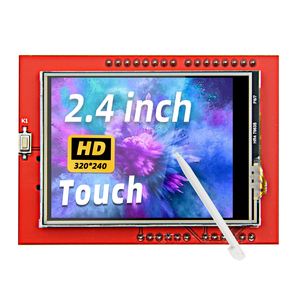

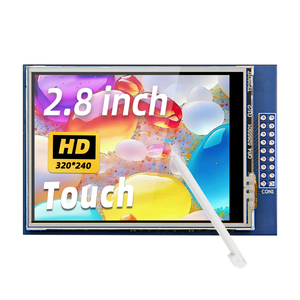
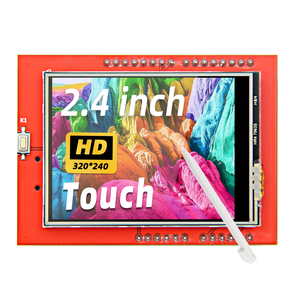
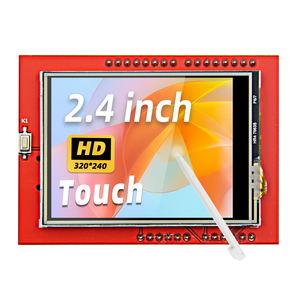






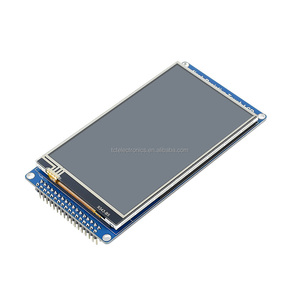



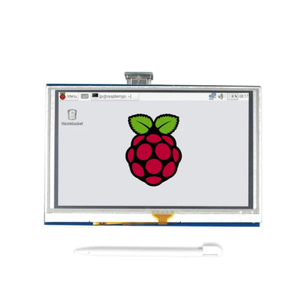






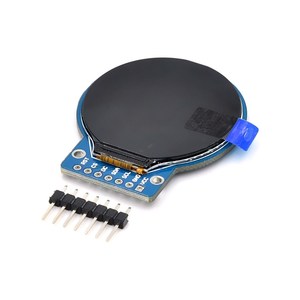


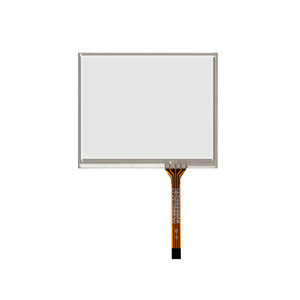






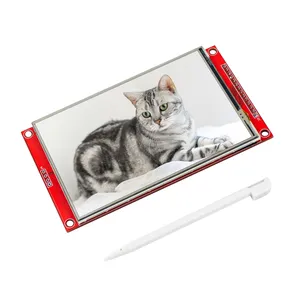


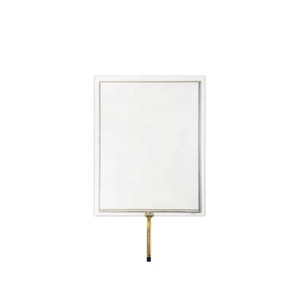


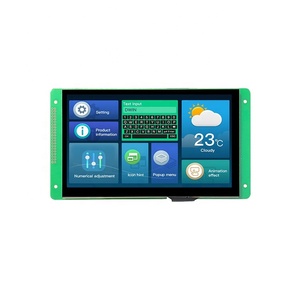
















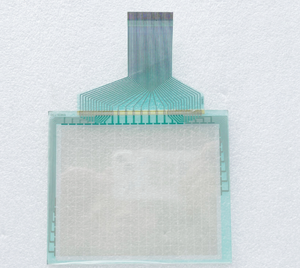

About 4 wire resistive touch screen arduino
Where to Find 4 Wire Resistive Touch Screen Arduino Suppliers?
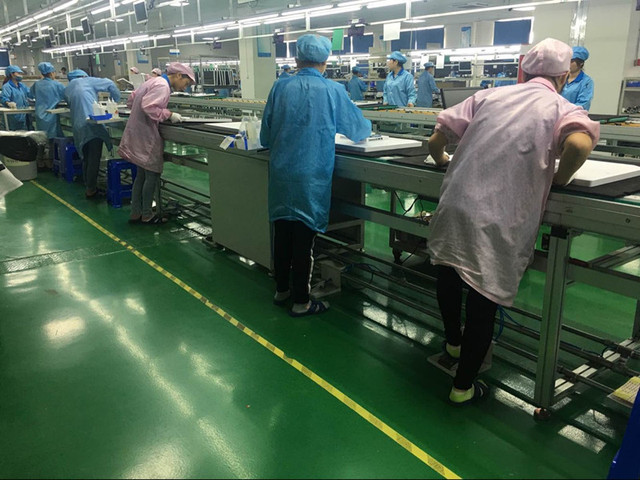
China remains the central hub for manufacturing 4 wire resistive touch screens compatible with Arduino, driven by concentrated electronics production ecosystems in Shenzhen and Guangzhou. These regions host vertically integrated supply chains encompassing TFT-LCD panel fabrication, controller IC sourcing, and module assembly, enabling rapid prototyping and scalable production. Shenzhen, in particular, accounts for over 70% of global small-format display module exports, supported by a dense network of component suppliers and logistics infrastructure that reduces lead times by 25–35% compared to non-specialized regions.
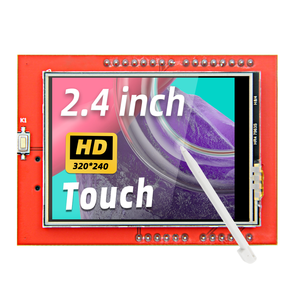
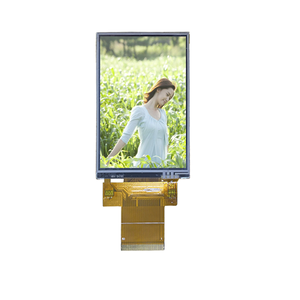
The industrial clusters offer significant cost efficiencies due to localized access to raw materials such as ITO glass, FPC circuits, and driver ICs, which lower material procurement costs by 15–20%. Most suppliers operate within compact industrial parks where development boards, microcontrollers, and touchscreen modules are co-engineered, ensuring native compatibility with Arduino platforms. Buyers benefit from modular product designs that support SPI, UART, or parallel interfaces, with standard configurations available for 2.4-inch, 2.8-inch, and 3.5-inch formats at resolutions up to 320×240 pixels.
How to Choose 4 Wire Resistive Touch Screen Arduino Suppliers?
Effective supplier selection requires adherence to technical, operational, and transactional evaluation criteria:
Technical Compatibility Verification
Confirm explicit Arduino compatibility through documented library support (e.g., UTFT, Adafruit GFX) and pinout alignment with common microcontrollers (Arduino Uno, Mega, ESP32). Require electrical specifications including analog voltage range (typically 0–5V), touch accuracy (±2%), and interface type (4-wire resistive with X+, X−, Y+, Y− signals). Suppliers should provide sample code, wiring diagrams, and calibration procedures upon request.
Production and Quality Assurance Standards
Assess supplier capabilities based on the following benchmarks:
- Monthly output capacity exceeding 10,000 units for volume orders
- In-house testing protocols for touch response consistency and environmental durability (operating temperature: -20°C to +70°C)
- Compliance with RoHS and REACH directives for hazardous substance control
Prioritize suppliers with verifiable online revenue exceeding US $50,000 annually and on-time delivery rates above 95%, indicating stable operations and logistics proficiency.
Procurement Risk Mitigation
Utilize secure payment mechanisms such as escrow services for initial transactions. Request physical or digital samples before full-scale ordering to validate display clarity, touch sensitivity, and mechanical fit. Analyze reorder rates—suppliers with rates below 20% may indicate customer satisfaction issues—while those exceeding 25% suggest strong post-sale reliability. Evaluate responsiveness; sub-3-hour average reply times correlate with higher service accountability.
What Are the Best 4 Wire Resistive Touch Screen Arduino Suppliers?
| Company Name | Main Products | Online Revenue | On-Time Delivery | Reorder Rate | Avg. Response | Min. Order Quantity | Lowest Price (USD) |
|---|---|---|---|---|---|---|---|
| Shenzhen QDTFT Electronic Technology Co., Ltd. | LCD Modules, Touch Screen, OLED/E-Paper Modules | US $100,000+ | 98% | <15% | ≤1h | 1 piece | $3.92 |
| Shenzhen FlyFun Technology Co.,Ltd. | RC Parts, LCD Modules, Sensors, Development Boards | US $150,000+ | 100% | 20% | ≤7h | 20 pieces | $4.69 |
| Shenzhen TCT Electronics Co., Ltd. | Power Drivers, Dev Boards, WiFi Modules, Motors | US $20,000+ | 100% | 25% | ≤3h | 50 pieces | $16.00 |
| Shenzhen rongxingtong Electronics Co., Ltd | Development Boards, LCD Modules, Semiconductors | US $30,000+ | 93% | 21% | ≤2h | 1 piece | $22.85 |
| Shenzhen Shiji Chaoyue Electronics Co., Ltd. | Multispecialty Supplier | US $60,000+ | 100% | <15% | ≤8h | 2 pieces | $2.39 |
Performance Analysis
Shenzhen QDTFT leads in low-MOQ accessibility and responsiveness, offering competitive pricing from $3.92 per unit with single-piece ordering—ideal for prototyping and small-batch integration. Shenzhen FlyFun demonstrates robust scalability with the highest reported revenue and perfect on-time delivery, though minimum orders start at 20 units. Shenzhen Shiji Chaoyue presents the lowest entry price point at $2.39 for bulk miniaturized displays, making it suitable for cost-sensitive deployments. While Shenzhen TCT Electronics serves larger-volume clients with consistent fulfillment, its higher MOQ and pricing reflect a focus on industrial-tier applications. Buyers prioritizing fast iteration should select suppliers supporting 1-piece orders and sub-3-hour response times, whereas high-volume purchasers can leverage tiered pricing from suppliers like FlyFun and TCT.
FAQs
What is the typical lead time for 4 wire resistive touch screen Arduino modules?
Standard orders are fulfilled within 7–15 days after payment confirmation. Custom configurations involving modified FPC connectors or firmware adjustments may extend lead times to 25 days. Air shipping adds 5–10 days for international delivery.
Do suppliers support customization for Arduino integration?
Yes, many suppliers offer tailored breakout pin layouts, pre-installed libraries on accompanying SD cards, and custom firmware to match specific Arduino models. Confirmation of GPIO mapping and voltage level compatibility (3.3V vs 5V logic) is required prior to customization.
Are samples available for testing before bulk purchase?
Most suppliers provide samples, often at a slightly elevated unit price. Some waive sample fees if followed by a qualifying order. Sample units typically include test code and connection schematics to expedite validation.
What certifications do reliable suppliers hold?
While formal ISO 9001 certification is not universally listed, reputable suppliers comply with RoHS and CE standards for electronic components. Buyers should request compliance documentation for regulated markets, particularly for commercial device integration.
Can these touch screens be used with other microcontroller platforms?
Yes, 4-wire resistive touch screens are inherently platform-agnostic and can interface with any microcontroller capable of reading analog voltages. Compatibility with Raspberry Pi, STM32, and PIC systems is commonly verified by suppliers through shared application notes.





