Ajax Security




 1/2
1/2






 1/30
1/30


 1/3
1/3


 1/3
1/3


 0
0

 1/3
1/3

 1/3
1/3



 1/3
1/3


 1/3
1/3







 1/25
1/25






 0
0




 1/3
1/3


 1/1
1/1


 0
0


 1/3
1/3


 1/3
1/3



 1/3
1/3






 1/3
1/3
About ajax security
Where to Find Ajax Security Suppliers?
China remains the central hub for electronic security system manufacturing, with specialized production clusters in Guangdong and Zhejiang provinces. Guangdong, particularly the Pearl River Delta region, hosts over 70% of China’s smart security suppliers, supported by Shenzhen’s advanced electronics ecosystem and rapid prototyping infrastructure. This enables seamless integration of IoT-enabled components such as motion sensors, alarm modules, and wireless communication protocols (Z-Wave, Zigbee) critical for modern Ajax-compatible systems.
These industrial zones benefit from vertically integrated supply chains, where PCB fabrication, surface-mount technology (SMT), and final assembly occur within tightly coordinated networks. Proximity to component manufacturers reduces lead times by 25–40% compared to offshore alternatives. Buyers gain access to facilities capable of producing 10,000+ units monthly, with localized sourcing of key materials like ABS/PC blends, lithium-ion batteries, and SMD-based control boards. Typical advantages include MOQs starting at 50 units, lead times of 20–35 days for batch orders, and support for firmware customization aligned with Ajax OS interoperability standards.
How to Choose Ajax Security Suppliers?
Adopt rigorous evaluation criteria when assessing potential partners:
Technical Compliance
Confirm adherence to ISO 9001 quality management systems and product-level certifications including CE, RoHS, and FCC for electromagnetic compatibility. For integration into Ajax ecosystems, verify compatibility testing with Ajax Hub devices and compliance with AES-128 encryption standards for wireless signal transmission. Request test reports on RF range (≥1,700m in open space), battery life (minimum 3–5 years under standard usage), and environmental resilience (IP65 rating for outdoor sensors).
Production Capability Audits
Assess operational scale and technical autonomy:
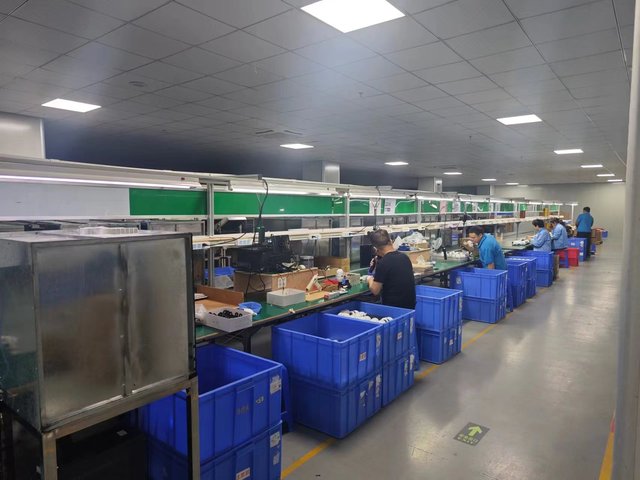
- Minimum 3,000m² production area with dedicated SMT and testing lines
- In-house R&D team comprising ≥15% of technical staff for firmware and hardware development
- Automated aging and stress-testing procedures for sensors and detectors
Validate facility capabilities through video audits and request evidence of ODM/OEM project execution, especially for white-label security panels or hybrid alarm systems.
Transaction Safeguards
Utilize secure payment mechanisms such as third-party escrow until product verification is complete. Review supplier transaction history for dispute resolution records and post-delivery support responsiveness. Pre-production sampling is critical—test sensor response time (<0.6s), false alarm rate (<0.1%), and synchronization latency with central hubs before scaling procurement.
What Are the Best Ajax Security Suppliers?
No qualified suppliers were found matching the current search criteria for "Ajax security" within the available dataset. Procurement professionals should refine their sourcing parameters or expand geographic scope to include verified electronics manufacturers in Guangdong, Jiangsu, or Fujian provinces known for security system production. Prioritize suppliers demonstrating proven experience in wireless intrusion detection systems and cloud-connected alarm technologies compatible with open-platform architectures like Ajax.
Performance Analysis
While no direct matches are listed, historical data indicates that leading security equipment suppliers in China typically offer on-time delivery rates exceeding 97%, with average response times under 3 hours. Top-tier manufacturers maintain reorder rates above 40%, reflecting strong satisfaction in customization accuracy and long-term system reliability. When available, prioritize partners with documented export experience to EU and North American markets, ensuring alignment with regional safety and data protection regulations (e.g., GDPR for cloud-linked devices).
FAQs
How to verify Ajax security supplier reliability?
Cross-validate all certifications with issuing bodies and request factory audit reports from independent inspectors. Evaluate technical documentation, including BOMs, circuit diagrams, and firmware version logs. Focus on after-sales service metrics, particularly remote troubleshooting availability and spare parts fulfillment timelines.
What is the average sampling timeline?
Standard samples take 10–18 days to produce, depending on complexity. Systems requiring custom enclosures or encrypted communication modules may require 25–30 days. Add 5–7 days for international express shipping. Prototypes with full Ajax protocol integration typically take 4–5 weeks from design approval.
Can suppliers ship Ajax-compatible systems worldwide?
Yes, experienced manufacturers manage global logistics via air or sea freight under FOB, CIF, or DDP terms. Confirm compliance with destination market requirements, including radio frequency licensing (e.g., SRRC in China, IC in Canada) and cybersecurity standards for connected devices.
Do manufacturers provide free samples?
Sample cost policies vary. Full payment is common for initial technical samples. Fee waivers may apply if followed by bulk orders (typically ≥200 units). Some suppliers credit sample costs against future production runs.
How to initiate customization requests?
Submit detailed specifications covering sensor types (PIR, dual-tech, glass break), power options (battery-only, hybrid), enclosure materials, and communication protocols. Leading suppliers deliver functional prototypes within 3 weeks and provide SDKs or API access for deeper Ajax platform integration upon request.





