Amd Processor Vs Intel










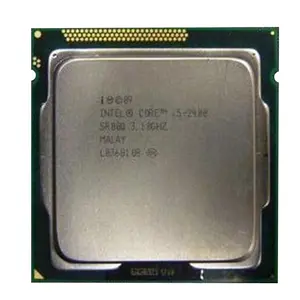
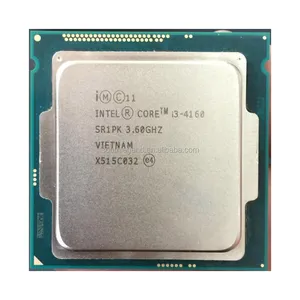

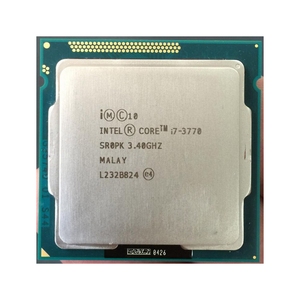

 Top sponsor listing





 0
0




 1/1
1/1




 1/3
1/3


 1/1
1/1


 1/3
1/3


 0
0



 1/2
1/2




 1/1
1/1

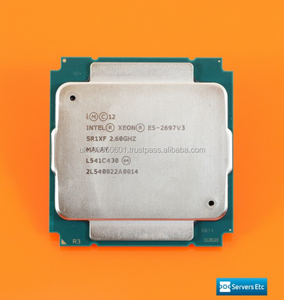
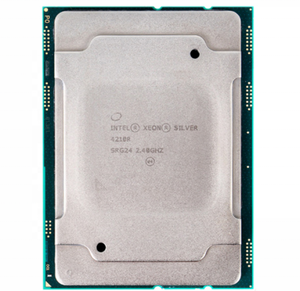

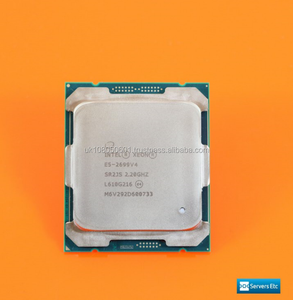
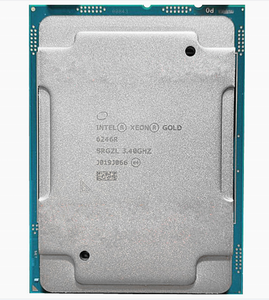
 1/1
1/1






 0
0




 1/1
1/1


 0
0


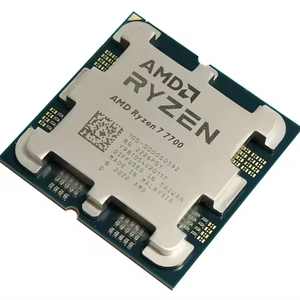
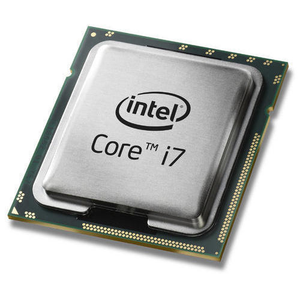
 1/3
1/3


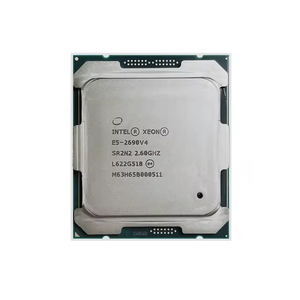


 1/3
1/3


 0
0


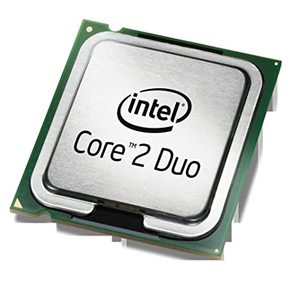

 0
0




 1/3
1/3
About amd processor vs intel
Where to Find AMD Processor vs Intel Suppliers?
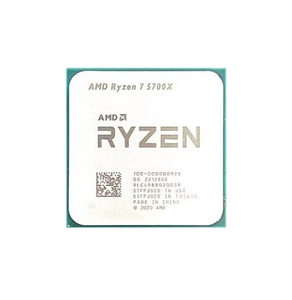
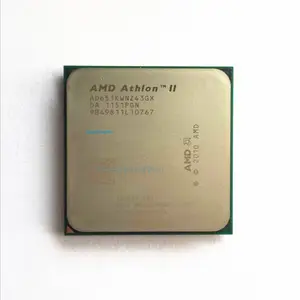
The global supply base for AMD and Intel processors spans multiple industrial regions, with a concentration of specialized suppliers in China’s Shenzhen and Guangdong provinces. These hubs host vertically integrated operations that combine component sourcing, testing, and logistics within compact ecosystems. Shenzhen-based suppliers dominate active CPU trading, leveraging proximity to semiconductor distribution networks and export ports, enabling lead times as short as 7–15 days for in-stock units. The region supports both new and refurbished processor markets, with some suppliers handling end-of-life models used in legacy systems or precious metal recovery.
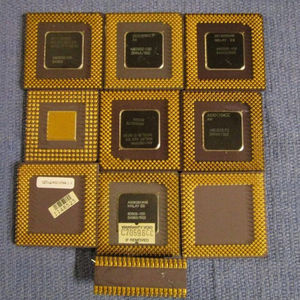
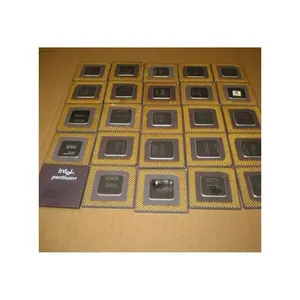
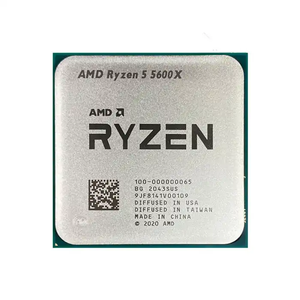
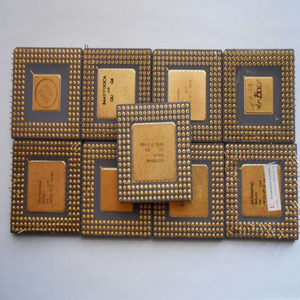
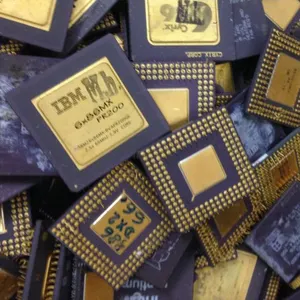
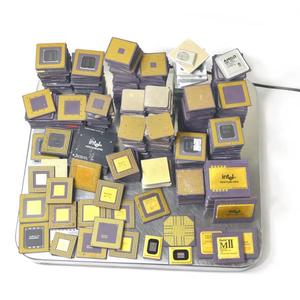
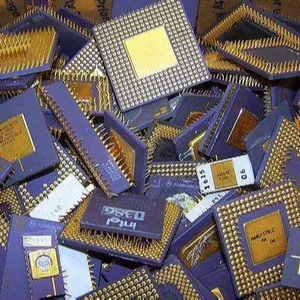
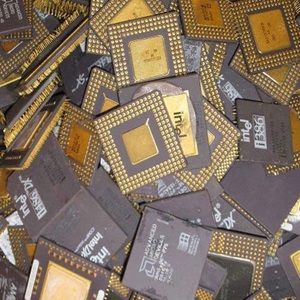
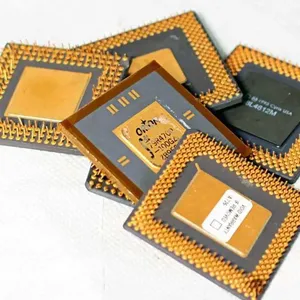
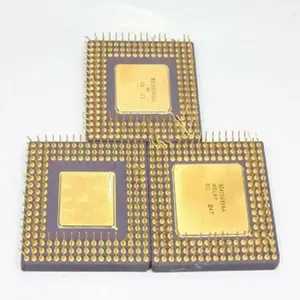
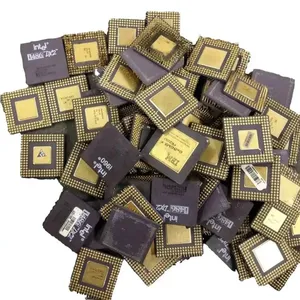
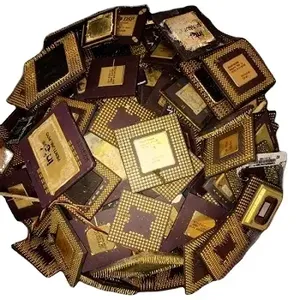
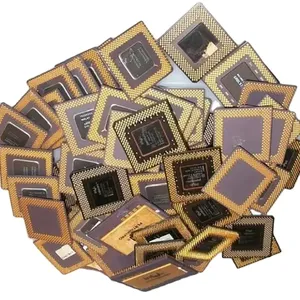
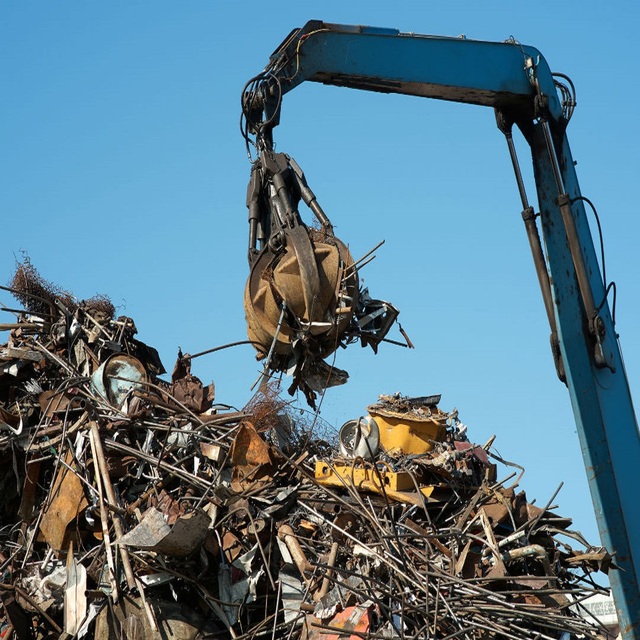
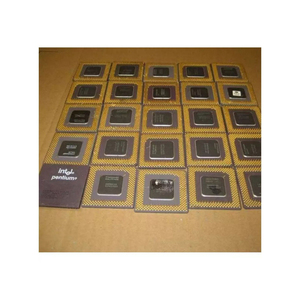
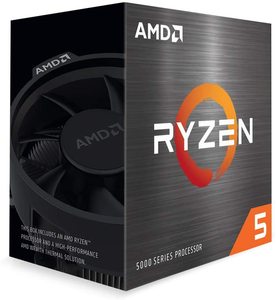
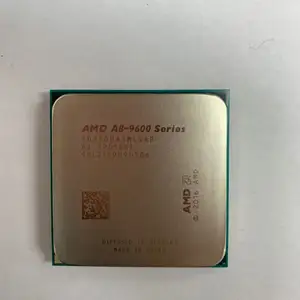
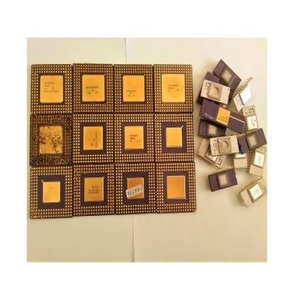
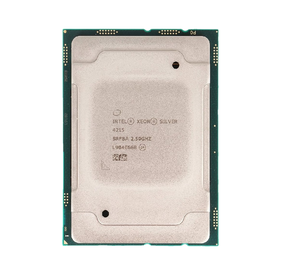
Suppliers in this category operate across two distinct segments: functional CPUs for integration into computing devices and scrap-grade processors targeting recycling operations. Functional processor suppliers typically maintain inventories of mainstream AMD Ryzen and Intel Core series chips, while scrap-focused vendors offer bulk ceramic-based CPUs rich in gold pins and silicon substrates. This dual-market structure allows buyers to source either ready-to-install components or materials for refining, depending on application requirements.
How to Choose AMD Processor vs Intel Suppliers?
Selecting reliable suppliers requires rigorous evaluation across technical, operational, and transactional criteria:
Product Authenticity & Condition Verification
Confirm whether offerings are new, used, or scrap-grade through detailed product descriptions and available imagery. For functional CPUs, request batch numbers, origin verification, and burn-in test reports. Suppliers listing hundreds of CPU SKUs—such as Shenzhen Sby Technology Co., Ltd. (398 CPU listings)—demonstrate established access to inventory channels, increasing availability assurance.
Production and Inventory Capacity
Assess supplier scale via listed product volumes and fulfillment metrics. Key indicators include:
- On-time delivery rates exceeding 95%
- Reorder rates above 40% indicating customer retention
- Response times under 5 hours reflecting operational responsiveness
Suppliers like Shenzhen South Legend Technology report online revenues exceeding US $160,000, suggesting consistent transaction volume and market presence.
Transaction Security and Traceability
Prioritize suppliers with verifiable performance histories, including documented response behavior and order fulfillment records. For high-value procurement, utilize secure payment mechanisms and request sample validation before full dispatch. Cross-reference product specifications (e.g., model number, socket type, frequency) against manufacturer datasheets to prevent misrepresentation.
What Are the Best AMD Processor vs Intel Suppliers?
| Company Name | Main Products (Listings) | On-Time Delivery | Reorder Rate | Avg. Response | Online Revenue | Min. Order Type | Price Range (USD) | Specialization |
|---|---|---|---|---|---|---|---|---|
| Shenzhen Sby Technology Co., Ltd. | CPUs (398), RAMs (266), Motherboards (232) | 95% | 44% | ≤9h | US $50,000+ | 10 pieces | $9.90–200 | New/Used Functional CPUs |
| Shenzhen South Legend Technology Co., Ltd. | CPUs (671), RAMs (393), Hard Drives (309) | 100% | <15% | ≤5h | US $160,000+ | Not specified | Not specified | Broad Component Supply |
| STOW AGRICULTURAL LIMITED | Aluminum Ingots (236), Carbonated Drinks (236) | - | - | ≤4h | - | 250 kg | $8.50–12/kg | CPU Scrap / Gold Recovery |
| ORGANIC PRODUCTION | Used Tractors (208), Copper Scrap (69) | - | - | ≤4h | - | 50 kg – 50 tons | $2–12/kg | High-Volume CPU Scrap |
| Jurgen May Holding GmbH | Instant Noodles (331), Tractors (202) | - | - | ≤8h | - | 1–500 kg | $2–250/kg | Scrap & Refurbished Ceramics |
Performance Analysis
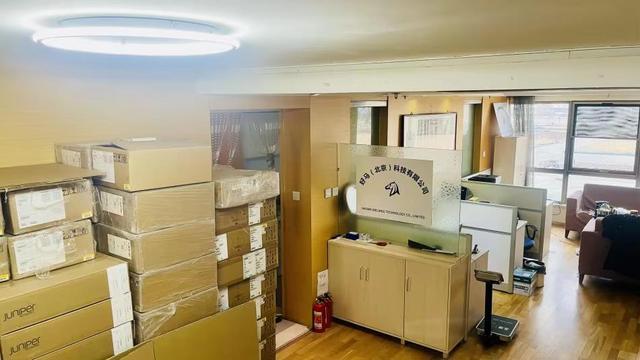
Dedicated electronics suppliers such as Shenzhen Sby Technology and Shenzhen South Legend exhibit strong operational discipline, with 95–100% on-time delivery and extensive CPU-specific listings. Their business models focus on active computer components, making them suitable for system integrators and OEMs. In contrast, agricultural and scrap-oriented firms like STOW AGRICULTURAL LIMITED and ORGANIC PRODUCTION offer large-volume ceramic CPU scraps priced per kilogram, catering to refineries seeking gold and palladium recovery. These suppliers provide cost-effective material streams but lack formal delivery guarantees. Buyers must differentiate between functional processor sourcing and commodity scrap procurement based on end-use objectives.
FAQs
How to verify AMD vs Intel processor authenticity?
Request original packaging, laser-marked model numbers, and compatibility documentation. Cross-check serial formats with AMD and Intel public databases. For bulk orders, conduct third-party inspection services to validate chip die integrity and thermal performance under load.
What is the typical MOQ for new processors?
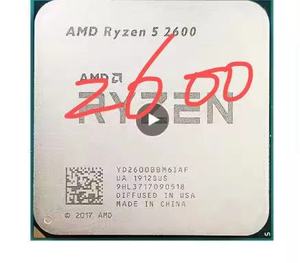
Standard MOQs range from 10 pieces for common models (e.g., AMD R5-5600G) to single-unit availability for high-end SKUs. Some suppliers allow mixed-model batches to support prototype development or small-scale builds.
Can suppliers provide customized labeling or packaging?
Yes, select suppliers offer customization options including logo imprinting, color-coded labeling, and repackaging services. These are typically available for orders exceeding 100 units and may require additional lead time of 3–7 days.
Are there quality risks with scrap-grade processors?
Scrap processors are non-functional and intended solely for material reclamation. Risks arise if misrepresented as working units. Ensure clear contractual terms defining condition grade—“non-tested,” “pull-out,” or “ceramic scrap”—to avoid disputes.
What are standard lead times for international shipping?
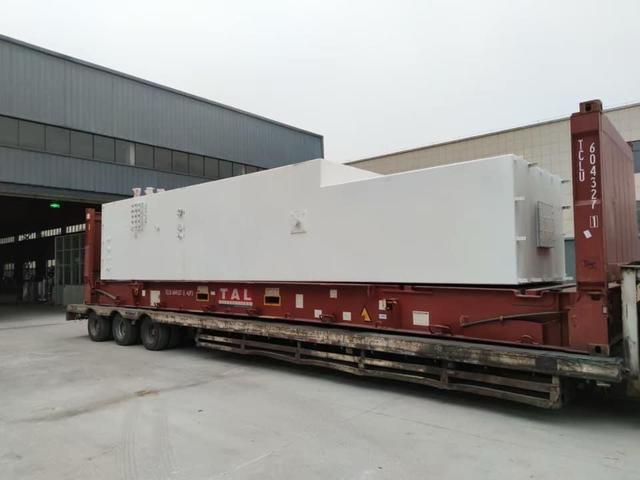
For in-stock processors, dispatch occurs within 1–3 business days. Air freight delivers to North America and Europe in 5–10 days; sea freight takes 25–40 days but is only economical for container-sized scrap shipments (>1 ton).





