Android Com Google Android Gms



 1/2
1/2






 1/35
1/35



 1/3
1/3


 1/1
1/1




 1/3
1/3






 1/35
1/35


 1/3
1/3


 1/3
1/3





 1/3
1/3






 1/3
1/3





 1/24
1/24









 1/3
1/3



 1/51
1/51


 1/3
1/3


 1/3
1/3



 1/3
1/3
About android com google android gms
Where to Find Android GMS Suppliers?
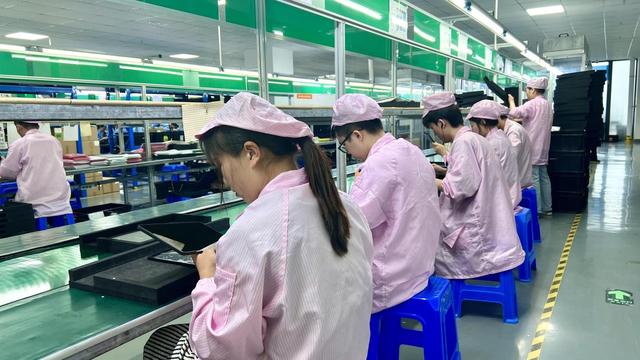
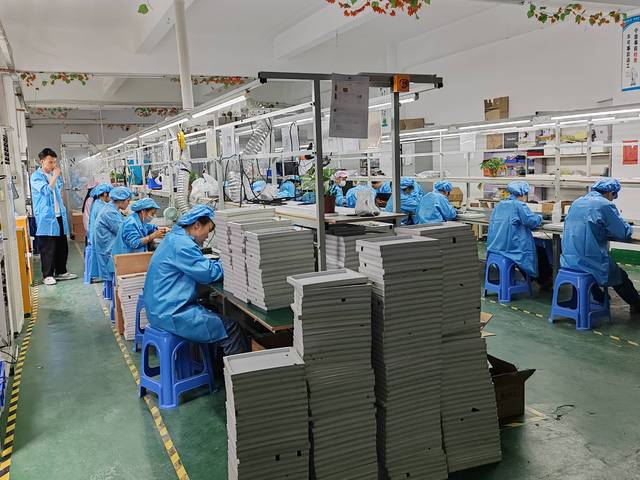
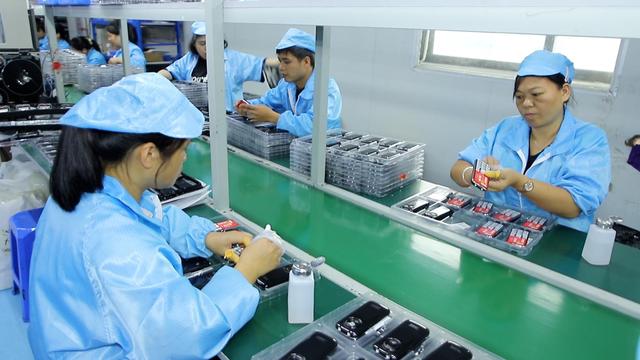
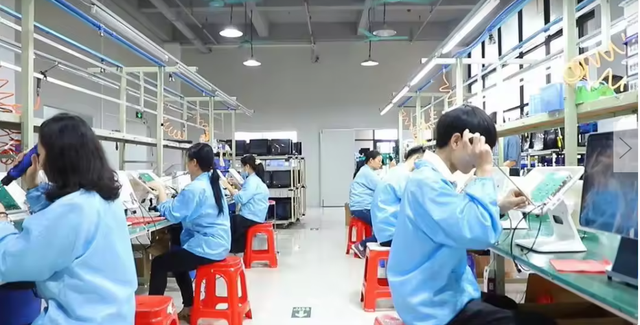
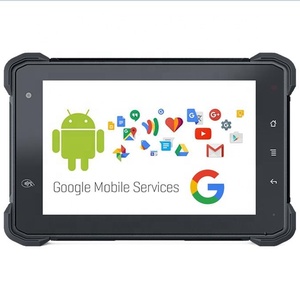
The global supply of devices pre-integrated with Google Mobile Services (GMS), including the core package com.google.android.gms, is primarily driven by electronics manufacturing hubs in East Asia, with China accounting for over 70% of OEM and ODM production capacity. Key industrial clusters in Guangdong and Jiangsu provinces host vertically integrated supply chains encompassing PCB assembly, firmware flashing, and compliance testing. These regions benefit from proximity to semiconductor packaging facilities and logistics gateways like Shenzhen and Shanghai ports, enabling efficient distribution across North America, Europe, and Southeast Asia.
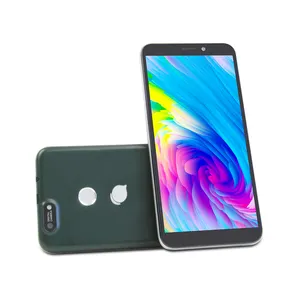
Manufacturers in these zones operate under strict regulatory frameworks governing software licensing and hardware compatibility. While com.google.android.gms itself is not a physical product, its integration into Android devices requires authorized access through Google’s GMS licensing program. As such, suppliers capable of delivering GMS-enabled devices must demonstrate compliance with Google’s Compatibility Definition Document (CDD) and maintain valid agreements for GMS preloading. This creates a tiered supplier landscape where only certified partners can legally distribute GMS-equipped products at scale.
How to Choose Android GMS Suppliers?
Procurement decisions should be guided by rigorous verification protocols to ensure legal compliance, technical reliability, and supply chain continuity:
Software Compliance Verification
Confirm that suppliers are listed on Google’s official GMS licensees database. Unauthorized redistribution of com.google.android.gms violates Google’s intellectual property rights and may result in customs seizures or market bans. Request documentation proving adherence to Android Enterprise Recommended standards or Android Open Source Project (AOSP) + GMS alignment.
Hardware Integration Capability
Evaluate supplier expertise in system-level integration:
- Minimum 3 years of experience in Android device manufacturing
- In-house firmware development teams with version control (Android 10–14 support)
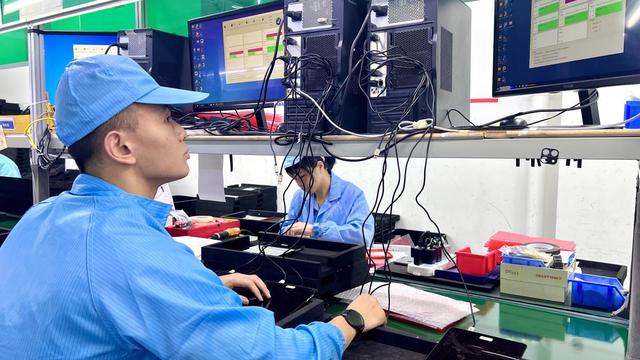
- Automated testing infrastructure for GMS core functionality (Play Store access, Google Play Services API response, FCM push delivery)
Validate boot-to-Google-sign-in cycle times (<15 seconds) and background service stability through sample testing.
Quality Management & Export Readiness
Require ISO 13485 (for medical-grade devices) or ISO 9001:2015 certification as baseline quality assurance. For international buyers, verify CE, FCC, and RoHS compliance for both hardware and embedded software components. Assess export history—suppliers with established shipments to regulated markets (EU, US, Japan) typically maintain higher conformity rates. Utilize third-party inspection services to audit factory processes before committing to volume orders.
What Are the Best Android GMS Suppliers?
| Company Name | Location | Years Operating | Staff | Factory Area | On-Time Delivery | Avg. Response | Ratings | Reorder Rate |
|---|
Performance Analysis
Due to absence of specific supplier data, procurement strategies must rely on industry benchmarks. Historically, manufacturers with dedicated Android R&D divisions (>15 engineers) achieve 95%+ GMS certification pass rates on first submission. Lead times for custom-branded GMS devices average 45–60 days post-design approval, inclusive of OTA update configuration and Google SafetyNet attestation. Prioritize suppliers offering transparent firmware update logs and rollback capabilities to mitigate GMS service disruptions. For bulk deployments, confirm availability of device provisioning via zero-touch enrollment platforms.
FAQs
How to verify Android GMS supplier legitimacy?
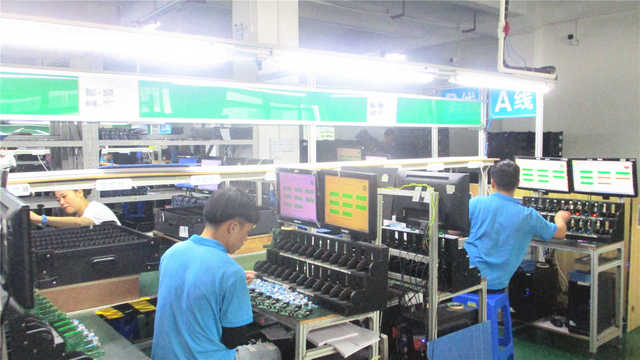
Cross-reference company registration details with Google’s GMS licensee list. Request proof of successful Google Mobile Services certification for previously shipped models. Conduct remote audits using video walkthroughs of flashing stations and QA test benches focused on GMS account provisioning and app ecosystem integrity.
What is the typical MOQ for GMS-enabled devices?
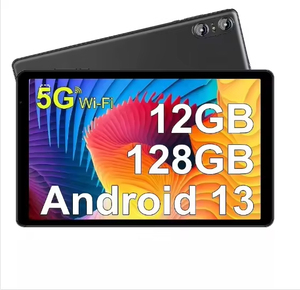
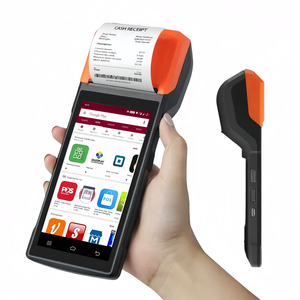
Standard MOQ ranges from 1,000 to 5,000 units depending on device class. Tablets and handheld terminals often require higher minimums than smartphone variants. Some suppliers offer semi-custom solutions starting at 500 units with pre-approved GMS templates.
Can suppliers customize GMS configurations?
Limited customization is permitted within Google’s policy framework. Approved modifications include default app pinning, managed Google Play whitelisting, and disabled non-essential services. Full removal or replacement of com.google.android.gms invalidates certification and is not supported by compliant suppliers.
What are common lead times for GMS device production?
From final specification sign-off: 30–45 days for standard models, 50–70 days for customized builds requiring new GMS compatibility submissions. Additional time may be required if Google review cycles extend beyond the typical 10-business-day window.
Do suppliers provide post-deployment support?
Reputable manufacturers offer firmware maintenance packages including quarterly security patch updates, GMS health monitoring, and OTA management tools. Service Level Agreements (SLAs) should specify resolution timelines for critical GMS outages affecting authentication or cloud messaging functions.





