Android Google Android




 1/3
1/3




 0
0



 0
0



 1/1
1/1



 1/3
1/3

 1/1
1/1






 1/3
1/3



 1/1
1/1


 0
0



 0
0



 0
0



 1/2
1/2



 1/3
1/3


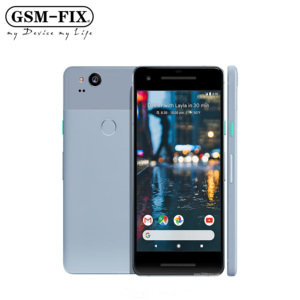
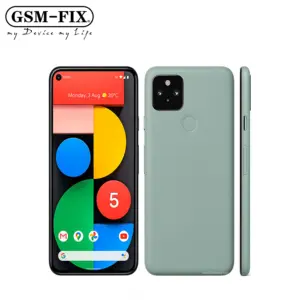

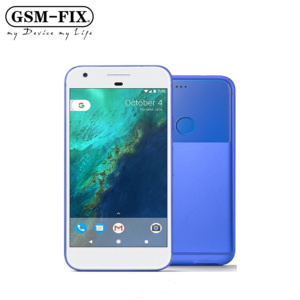
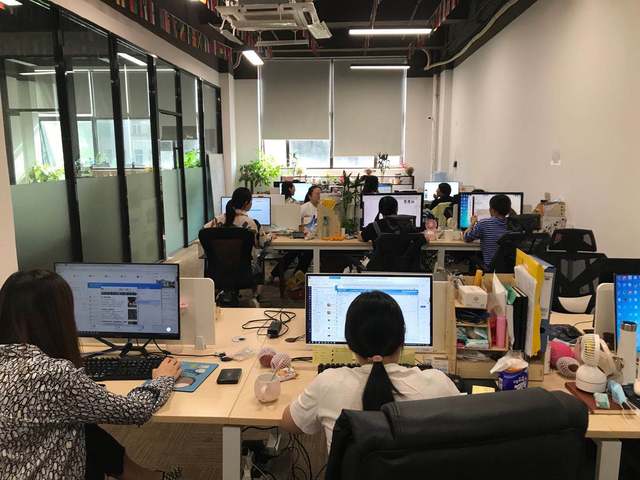 1/3
1/3


 1/3
1/3



 1/3
1/3



 0
0


 1/3
1/3
About android google android
Where to Find Android Google Android Suppliers?
The term "Android Google Android" does not correspond to a distinct product category in the consumer electronics or industrial manufacturing sectors. Instead, it appears to be a redundant or misformulated keyword referencing devices powered by the Android operating system developed by Google. As such, suppliers of Android-based devices—such as smartphones, tablets, set-top boxes, and industrial control panels—are globally distributed, with major production hubs concentrated in East Asia, particularly China, Vietnam, and India.
China remains the dominant force in Android device manufacturing, hosting integrated supply chains for semiconductors, display modules, battery systems, and wireless components. Key industrial clusters are located in Guangdong (notably Shenzhen), Jiangsu, and Shanghai, where OEMs and ODMs operate vertically integrated facilities capable of high-volume production. These regions benefit from proximity to component suppliers, reducing material lead times by 25–40% compared to non-Asian manufacturers. Average production cycles for standard Android devices range from 30–60 days, depending on customization level and order volume.
Shenzhen’s Huaqiangbei district serves as a nexus for electronics sourcing, offering access to over 1,500 component and assembly vendors within a 10km radius. This ecosystem supports rapid prototyping, flexible MOQs (as low as 50 units for certain configurations), and modular customization—including preloaded applications, localized firmware, and hardware modifications. However, due to the absence of specific supplier data for this query, procurement decisions must rely on established verification frameworks for electronics manufacturing partners.
How to Choose Android Device Suppliers?
When sourcing Android-based electronic products, implement rigorous supplier evaluation protocols to ensure technical compliance, production reliability, and regulatory adherence:
Technical Compliance
Confirm that suppliers adhere to international quality and safety standards. Essential certifications include ISO 9001 for quality management, ISO 14001 for environmental controls, and IEC 62368-1 for audio/video equipment safety. For markets in the European Union, CE marking is mandatory; North American imports require FCC Part 15 compliance for radiofrequency emissions. Additionally, verify RoHS and REACH compliance to ensure restricted substance limits are met.
Production Capability Audits
Assess supplier infrastructure through documented evidence:
- Minimum factory size of 3,000m² for scalable output
- In-house SMT (Surface Mount Technology) lines and automated testing stations
- Dedicated software flashing and QA teams handling firmware integrity checks
Validate monthly production capacity (typically 50,000–500,000 units for mid-tier suppliers) and cross-reference with on-time delivery performance (target >95%).
Transaction Safeguards
Utilize secure payment mechanisms such as letter of credit (L/C) or third-party escrow services to mitigate financial risk. Prioritize suppliers with verifiable export experience to your target market, particularly those with prior shipments compliant with local telecom certification bodies (e.g., IC in Canada, ANATEL in Brazil). Conduct sample testing before bulk orders—evaluate boot cycle stability, GPS accuracy, Wi-Fi/Bluetooth functionality, and Android version authenticity using tools like AIDA64 or Google Play Services validation.
What Are the Best Android Device Suppliers?
No supplier data was provided for the keyword “android google android,” preventing identification of specific manufacturers or performance benchmarking. In the absence of structured data, buyers should initiate sourcing through verified B2B channels, focusing on suppliers with documented experience in Android OS deployment, hardware-software integration, and global logistics fulfillment.
Performance Analysis
Without available supplier metrics, procurement strategies must emphasize due diligence over anecdotal reputation. Focus on companies demonstrating transparent operations—such as published facility audits, detailed product test reports, and accessible customer references. Prioritize partners with demonstrated capability in firmware customization, OTA (over-the-air) update support, and multi-language UI configuration. For industrial or commercial deployments, confirm long-term availability of the Android version (minimum 3-year support window) and access to kernel source code per GPL licensing requirements.
FAQs
How to verify Android device supplier reliability?
Cross-validate all claims with third-party documentation: request copies of business licenses, audit reports (e.g., TÜV, SGS), and past shipment records. Conduct video audits of production lines and request IMEI/serial number traceability for finished units. Evaluate responsiveness and technical depth during inquiry stages—reliable suppliers provide engineering-level answers within 24 hours.
What is the average sampling timeline?
Standard Android device samples take 10–20 days to produce, depending on stock component availability. Customized units requiring modified casings, unique sensors, or proprietary software integrations may require 30–45 days. Air freight adds 5–10 days for international delivery.
Can suppliers ship Android devices worldwide?
Yes, experienced manufacturers manage global logistics via air, sea, or express courier. Confirm Incoterms (FOB, CIF, DDP) early in negotiations. Ensure suppliers can comply with destination regulations, including IMEI registration, SIM lock policies, and local warranty service arrangements.
Do manufacturers provide free samples?
Sample policies vary. Some suppliers offer paid samples refundable against future orders exceeding 500 units. Others charge full cost for initial units, especially for customized builds. Budget $100–$300 per sample unit for mid-range Android tablets or handheld terminals.
How to initiate customization requests?
Submit detailed specifications covering desired Android version (e.g., Android 13 Go Edition), CPU platform (e.g., MediaTek Helio, Rockchip), RAM/storage configuration, connectivity options (LTE bands, Wi-Fi 6), and any required GPIO interfaces. Reputable suppliers will respond with bill-of-materials (BOM), tooling costs, and firmware development timelines within 72 hours.





