Application Portfolio Management Open Source


























 CN
CN










 CN
CN





























 CN
CN


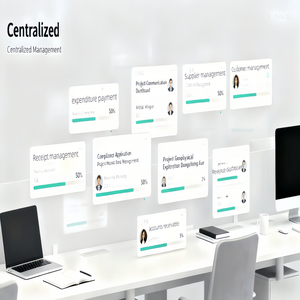







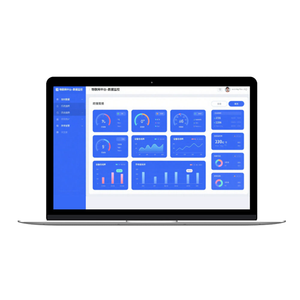
About application portfolio management open source
Where to Source Application Portfolio Management Open Source Solutions?
The global supply base for open source application portfolio management (APM) software development and customization is increasingly concentrated among specialized IT service providers in India and China. These regions host a growing number of agile development firms offering scalable, cost-effective solutions tailored to enterprise architecture needs. Indian suppliers, particularly those based in technology hubs like Hyderabad and Bangalore, dominate the mid-tier development market with strong expertise in cloud-native platforms, API integration, and modular system design.
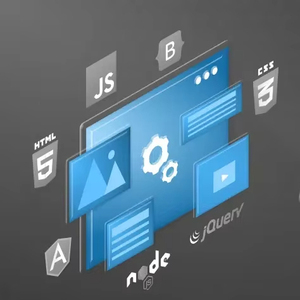
Suppliers leverage vertically integrated software engineering workflows—combining front-end interface design, backend logic development, database optimization, and DevOps deployment—enabling rapid prototyping and iterative delivery. This ecosystem supports both off-the-shelf open source APM frameworks and fully customized implementations. Buyers benefit from mature technical talent pools, English-language proficiency, and flexible engagement models. Key advantages include reduced development costs (up to 60% lower than Western vendors), lead times averaging 4–8 weeks for MVP deployment, and high adaptability for integration with existing IT service management (ITSM) or project management systems.
How to Evaluate Application Portfolio Management Open Source Suppliers?
Procurement decisions should be guided by structured evaluation criteria focused on technical capability, service reliability, and transactional transparency:
Technical Expertise Validation
Confirm supplier proficiency in core APM functionalities: application inventory tracking, business capability mapping, technical debt assessment, lifecycle management, and ROI analytics. Prioritize teams demonstrating experience with established open source stacks such as Python/Django, Node.js, React, PostgreSQL, and containerization via Docker/Kubernetes. Verify integration capabilities with CI/CD pipelines, SSO protocols (OAuth, SAML), and enterprise data warehouses.
Development Capacity Assessment
Evaluate operational scale and engineering depth through the following indicators:
- Minimum team size of 15 developers with documented specialization in enterprise software
- Evidence of in-house quality assurance (QA) processes, including automated testing coverage
- Portfolio of delivered projects involving customizable dashboards, role-based access control, and real-time reporting modules
Cross-reference response time metrics (target ≤2 hours) and on-time delivery rates (preferably >80%) to assess operational responsiveness and project management rigor.
Risk Mitigation & Transaction Security
Insist on milestone-based payment structures secured through escrow mechanisms until acceptance testing is completed. Review contractual provisions covering IP ownership, source code delivery, documentation standards, and post-deployment support. Conduct due diligence on supplier revenue stability using verifiable transaction histories; prioritize partners with consistent online earnings exceeding US $10,000 annually as an indicator of sustained operations.
What Are the Leading Application Portfolio Management Open Source Suppliers?
| Company Name | Location | Main Products | Online Revenue | On-Time Delivery | Avg. Response | Reorder Rate | Min. Order Value | Customization Scope |
|---|---|---|---|---|---|---|---|---|
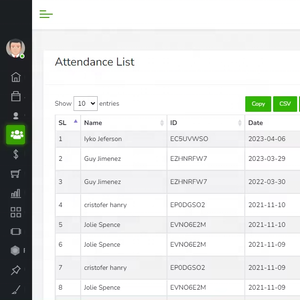
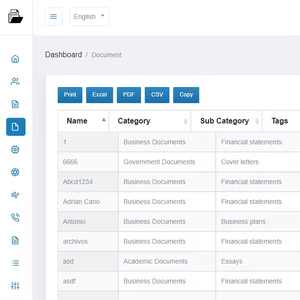
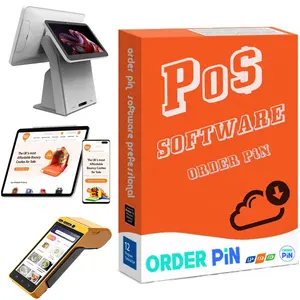
| KAEM SOFTWARES PRIVATE LIMITED | India | Software, POS Systems, Document & Project Management | US $8,000+ | Not specified | ≤2h | Not specified | $95 (2 units) | Moderate (pre-built templates with limited configurability) |
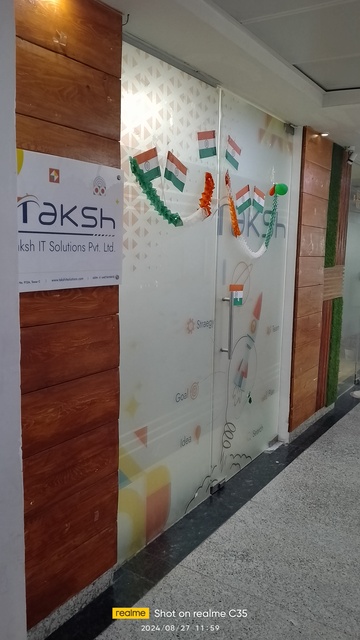
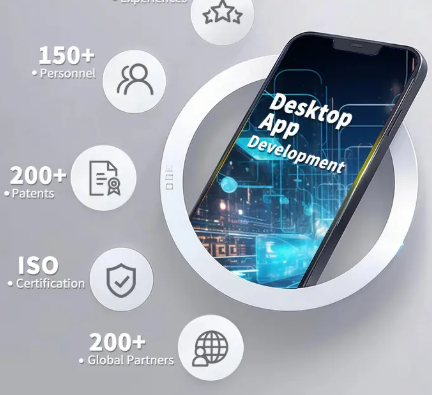
| TAKSH IT SOLUTIONS PRIVATE LIMITED | India | AI Applications, Web & Desktop Apps, APIs | US $2,000+ | 75% | ≤1h | Not specified | $5,000 (1 unit) | High (custom development for crypto portfolio tools, document systems, and web applications) |
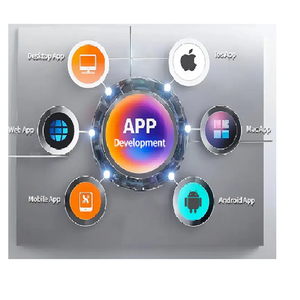
| AABAN SOLUTIONS PRIVATE LIMITED | India | Mobile App Development, Financial Advisor Websites | Not specified | Not specified | ≤1h | Not specified | $500 (1 piece) | High (end-to-end mobile and web application builds with full stack control) |
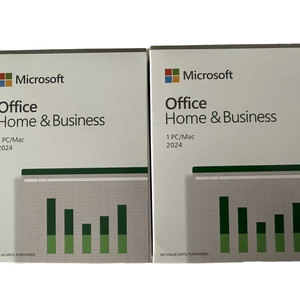
| Yiwu Dingyuan E-Commerce Firm (individual Business) | China | Software, Computer Accessories | US $200,000+ | 84% | ≤2h | 35% | $15–$75 (per piece) | Low (resale of standardized office and productivity software licenses) |
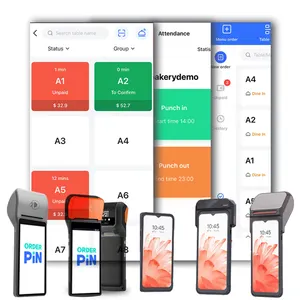
| Guangzhou Mohang Times Info Tech Limited | China | POS Software, Cloud-Based Systems | US $10,000+ | 100% | ≤10h | 37% | $25 (2 sets) | Moderate (cloud POS systems adaptable for inventory and sales reporting functions) |
Performance Analysis
Indian development firms such as TAKSH IT SOLUTIONS and AABAN SOLUTIONS offer high customization capacity with competitive pricing, making them suitable for buyers seeking bespoke APM platforms built on open source foundations. Their low response times (≤1 hour) indicate strong client engagement practices. KAEM SOFTWARES provides entry-level solutions at minimal order thresholds, ideal for pilot deployments or small-scale use cases. In contrast, Chinese suppliers like Guangzhou Mohang demonstrate exceptional reliability (100% on-time delivery) and customer retention (37% reorder rate), though their offerings are more aligned with commercial POS and inventory systems rather than dedicated APM tools. Yiwu Dingyuan stands out for volume reselling efficiency but lacks evidence of deep software engineering services. For mission-critical APM implementations, prioritize suppliers with proven full-stack development experience, formal QA procedures, and transparent code delivery terms.
FAQs
How to verify supplier technical credibility?
Request GitHub repositories, code samples, or sandboxed demo environments showcasing prior APM-related work. Validate developer qualifications and ask for case studies involving feature sets such as application rationalization matrices, dependency mapping, or cloud migration scoring models.
What is the typical development timeline for a custom open source APM system?
Basic implementations with core functionality take 4–6 weeks. Advanced versions incorporating AI-driven analytics, multi-system integrations, or compliance dashboards require 8–12 weeks. Add 1–2 weeks for user training and documentation finalization.
Are open source APM solutions exportable globally?
Yes, software deliverables are digital and transferable worldwide. Ensure licensing compliance with open source frameworks used (e.g., GPL, MIT). Clarify data residency, encryption standards, and hosting responsibilities in cross-border engagements.
Do suppliers provide post-deployment support?
Support policies vary. Some include 30–90 days of bug fixing and minor updates. Extended SLAs with monthly maintenance fees (typically 15–20% of project cost) cover ongoing enhancements, security patches, and troubleshooting.
Can I request modifications after initial delivery?
Most suppliers accommodate change requests under formal change control procedures. Budget for additional development hours at agreed hourly rates (commonly $25–$75/hour). Ensure version control and source code access are included in the contract to maintain long-term flexibility.





