Arduino Co Detector


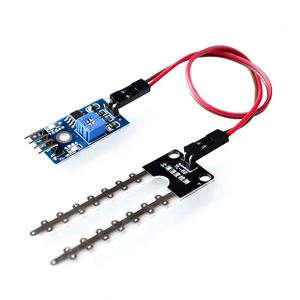




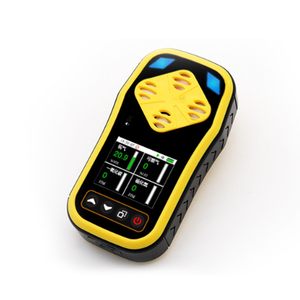

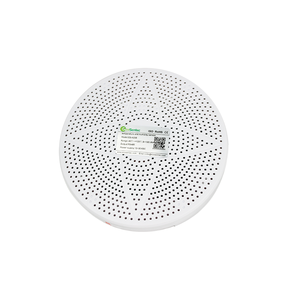































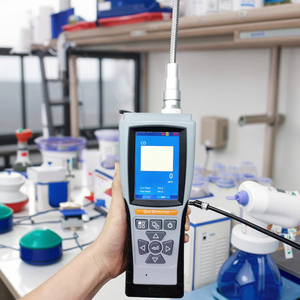


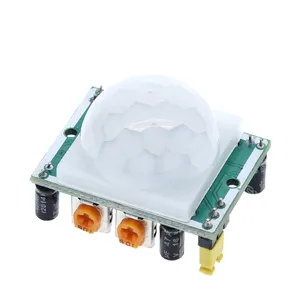



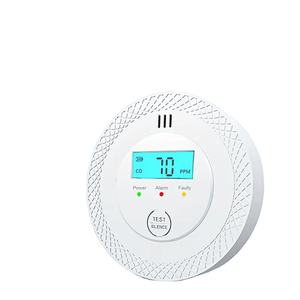


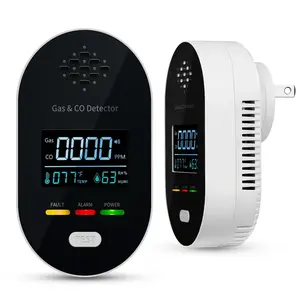
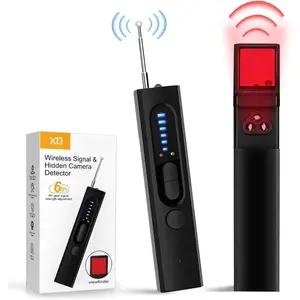







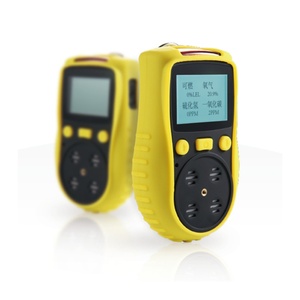


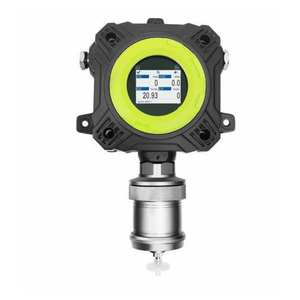






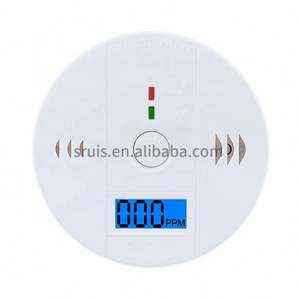


About arduino co detector
Where to Find Arduino CO Detector Suppliers?
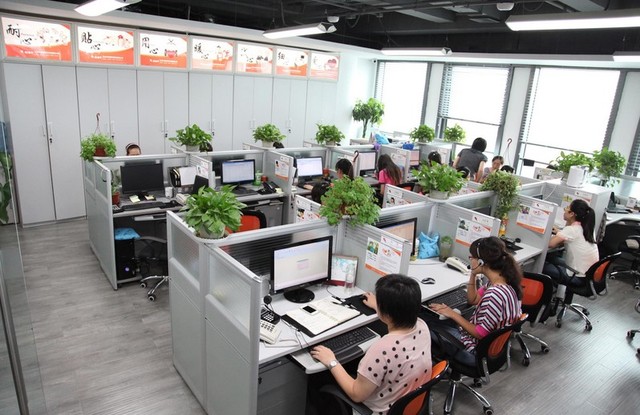
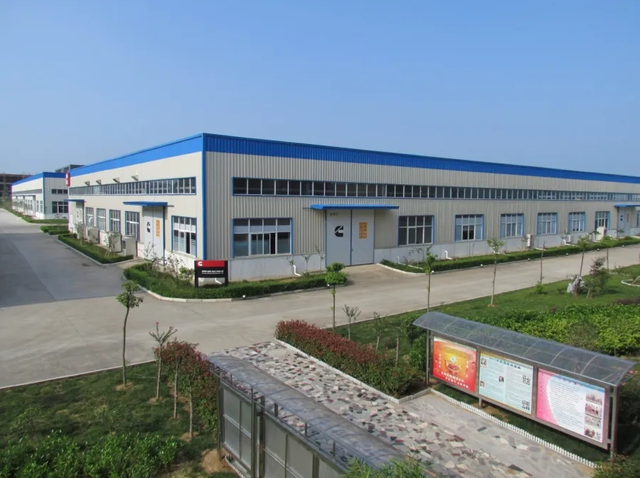
China remains the central hub for electronics manufacturing, with key supplier clusters in Shenzhen and Chengdu driving innovation and volume production in sensor technology. Shenzhen’s electronics ecosystem supports rapid prototyping and scalable output, hosting over 70% of global PCB and IoT component suppliers within a 30km radius of its industrial zones. Chengdu contributes specialized expertise in environmental sensing and gas detection systems, leveraging regional research partnerships with Sichuan University and the Chinese Academy of Sciences.
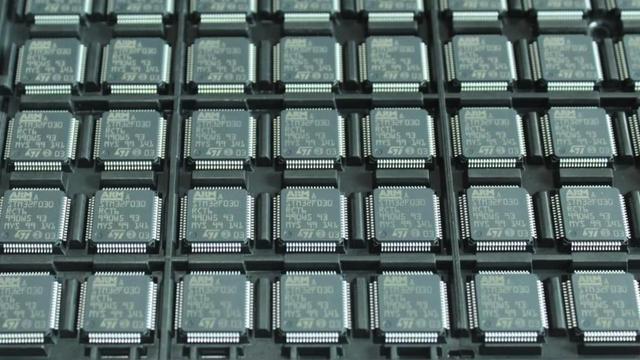
These regions offer vertically integrated supply chains—from semiconductor fabrication to final assembly—enabling efficient component sourcing and reduced lead times. Buyers benefit from localized access to raw materials such as tin oxide (SnO₂) for gas-sensitive layers and aluminum oxide (Al₂O₃) substrates used in metal-oxide (MOX) sensors. This integration translates into 20–35% lower unit costs compared to Western or Southeast Asian alternatives, with standard order fulfillment typically achieved within 15–25 days for MOQ-compliant batches.
How to Choose Arduino CO Detector Suppliers?
Selecting reliable partners requires systematic evaluation across technical, operational, and transactional dimensions:
Technical Validation
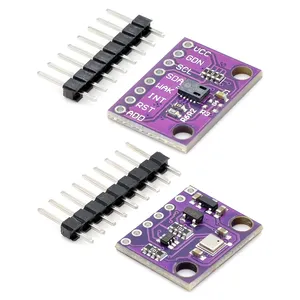
Confirm compatibility with Arduino-based microcontrollers (e.g., Uno, Nano, ESP32) through documented interface protocols (analog output, I²C, or UART). Prioritize suppliers offering calibration data for CO sensitivity (typically 20–2000 ppm range), response time (<60 seconds), and recovery time (<90 seconds). Request test reports verifying performance under variable humidity (30–90% RH) and temperature (0–50°C).
Production & Quality Assurance
Assess manufacturing maturity using these benchmarks:
- On-time delivery rate exceeding 94%
- Response time under 8 hours for inquiry resolution
- In-house testing facilities for sensor burn-in and long-term stability
Cross-reference supplier claims with verifiable metrics such as reorder rates and online revenue indicators to gauge market confidence.
Procurement Safeguards
Utilize secure payment mechanisms that align with order risk levels. For initial engagements, limit exposure to small trial orders (1–5 units) before scaling. Validate product functionality via sample testing against known CO concentrations using calibrated reference instruments. Confirm compliance with RoHS and REACH directives for hazardous substances, particularly in consumer-facing applications.
What Are the Best Arduino CO Detector Suppliers?
| Company Name | Main Products | Online Revenue | On-Time Delivery | Response Time | Reorder Rate | Customization Options | Min. Order Quantity | Price Range (USD) |
|---|---|---|---|---|---|---|---|---|
| PENPOS Technology Co., Limited | Development Boards, Sensors, LEDs | US $10,000+ | 90% | ≤4h | <15% | Not specified | 1–5 pieces | $0.10–$23.54 |
| Chengdu Sentec Technology Co., Ltd. | Gas Analyzers, Environmental Sensors | US $110,000+ | 100% | ≤8h | <15% | Yes | 1–5 pieces | $53–$199 |
| Shenzhen Hong Shu Yuan Technology Co., Ltd. | Sensor Modules, Starter Kits | US $140,000+ | 94% | ≤10h | 25% | Color, size, logo, packaging, starter kit | 2–20 sets | $2.80–$18.24 |
| Shenzhen Dongheng Electronic Technology Co., Ltd. | ICs, Sensor Modules, Dev Boards | US $80,000+ | 95% | ≤1h | <15% | Not specified | 2–10 pieces | $0.20–$13.00 |
| Shenzhen Chuangheying Electronic Technology Co., Ltd. | Microcontrollers, Sensor ICs | US $1,200,000+ | 100% | ≤6h | <15% | Not specified | 1–5 pieces | $0.21–$75.00 |
Performance Analysis
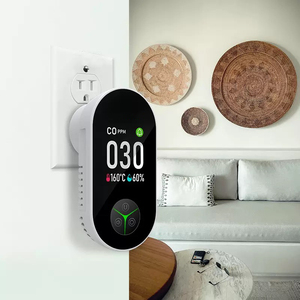
High-volume producers like Shenzhen Chuangheying demonstrate robust operational reliability with 100% on-time delivery and sub-6-hour response times, supported by extensive R&D infrastructure in embedded systems. Chengdu Sentec stands out for application-specific solutions, including all-in-one air quality detectors suitable for smart building integration. PENPOS and Dongheng offer ultra-low-cost entry points (from $0.10/unit) ideal for educational kits and DIY projects, though with limited customization. Shenzhen Hong Shu Yuan provides moderate flexibility in branding and bundling, reflected in its higher 25% reorder rate, suggesting stronger customer satisfaction in niche maker markets.
FAQs
What is the typical MOQ for Arduino-compatible CO detectors?
Minimum order quantities range from 1 piece for basic sensor modules (e.g., MQ-7) to 20 sets for calibrated or bundled configurations. Suppliers often allow mixed SKUs at no extra cost for trial batches.
Are Arduino CO detectors pre-calibrated?
Most entry-level sensors require field calibration. Industrial-grade models from suppliers like Chengdu Sentec may include factory calibration certificates traceable to NIST standards, especially for fixed-installation monitoring systems.
Can suppliers customize firmware or housing design?
Limited customization is available. Only select suppliers—such as Shenzhen Hong Shu Yuan—offer modifications to physical dimensions, labeling, or packaging. Firmware-level changes are rare unless part of a dedicated OEM agreement.
What are common sensor types used in Arduino CO detectors?
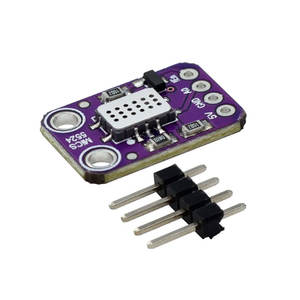
The MQ-7 and MICS-5524 are predominant. The MQ-7 uses tin dioxide (SnO₂) heating cycles for selective CO detection but requires periodic warm-up. MICS-5524 offers faster response and better cross-gas resistance, suitable for precision applications.
How to verify sensor accuracy before bulk ordering?
Request functional samples tested under controlled CO environments (e.g., 100 ppm, 500 ppm). Compare analog output voltage shifts against expected curves. Use multimeter logging or serial monitor outputs to assess signal stability over 24-hour periods.





