Arduino Heat Sensor




 1/3
1/3



 1/3
1/3


 1/2
1/2




 1/15
1/15


 1/3
1/3


 1/3
1/3








 1/20
1/20


 0
0



 0
0


 1/4
1/4



 1/3
1/3


 1/8
1/8



 1/3
1/3

 0
0


 1/1
1/1




 1/3
1/3


 1/3
1/3



 1/3
1/3


 1/3
1/3







About arduino heat sensor
Where to Find Arduino Heat Sensor Suppliers?
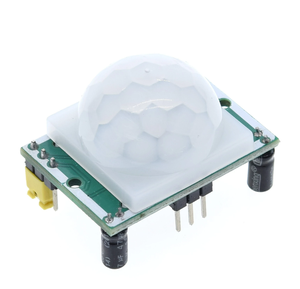
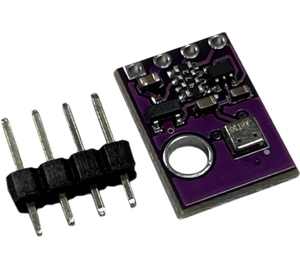
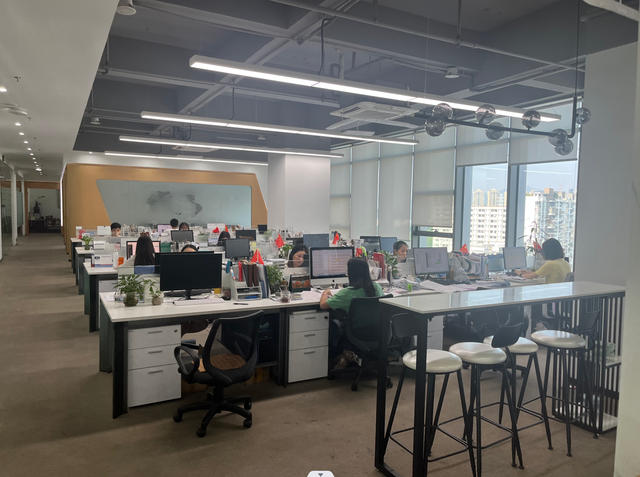
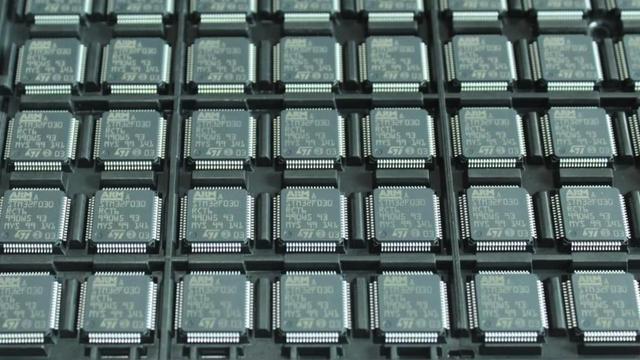
China remains the central hub for electronics and IoT component manufacturing, with key production clusters in Guangdong, Zhejiang, and Jiangsu provinces. These regions host a dense network of electronics OEMs and ODMs specializing in sensor modules, including Arduino-compatible heat sensors. Shenzhen, within Guangdong, serves as the epicenter of microelectronics production, offering access to fully integrated supply chains—from PCB fabrication and surface-mount technology (SMT) lines to final testing and packaging.
The industrial ecosystem enables rapid prototyping and scalable production, supported by localized availability of thermistors, infrared sensing elements, and microcontroller units (MCUs). Suppliers in these clusters typically operate automated SMT lines capable of producing 50,000–200,000 units per month, with lead times averaging 15–25 days for MOQs between 100 and 1,000 units. Integration with open-source platforms like Arduino is standard, with most manufacturers providing pin-compatible modules and publicly available libraries for seamless integration.
How to Choose Arduino Heat Sensor Suppliers?
Procurement decisions should be guided by technical validation, production transparency, and compliance verification:
Technical Compliance
Ensure components adhere to international standards such as RoHS and REACH for hazardous substance control. For applications requiring environmental resilience, verify IP ratings (e.g., IP67 for dust/water resistance) and operating temperature ranges (typically –40°C to +125°C for industrial-grade sensors). Request calibration certificates and thermal response test data under variable load conditions.
Production Capability Audits
Assess manufacturing infrastructure through documented evidence:
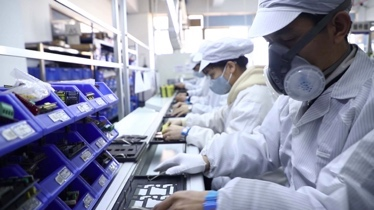
- Minimum 1,000m² cleanroom or ESD-protected production area
- In-house SMT and reflow soldering lines with AOI (Automated Optical Inspection)
- Dedicated R&D or firmware integration team for Arduino compatibility
Cross-reference production capacity with order history to ensure scalability without quality degradation.
Transaction Safeguards
Utilize secure payment mechanisms such as third-party escrow until product verification is complete. Prioritize suppliers with documented QC procedures—including pre-shipment burn-in testing and sample validation. Conduct functional testing against reference Arduino boards (e.g., Uno, Mega) to confirm signal accuracy and communication stability via analog or I2C interfaces.
What Are the Best Arduino Heat Sensor Suppliers?
| Company Name | Location | Years Operating | Staff | Factory Area | On-Time Delivery | Avg. Response | Ratings | Reorder Rate |
|---|---|---|---|---|---|---|---|---|
| No supplier data available | N/A | N/A | N/A | N/A | N/A | N/A | N/A | N/A |
Performance Analysis
Due to unavailability of verified supplier data, performance benchmarking cannot be conducted at this time. Buyers are advised to initiate sourcing through industry trade databases or verified B2B channels, focusing on entities with demonstrated experience in sensor module exports to North America, Europe, or Southeast Asia. Emphasis should be placed on firms publishing detailed datasheets, offering technical support in English, and maintaining active compliance documentation.
FAQs
How to verify Arduino heat sensor supplier reliability?
Request copies of ISO 9001 certification for quality management systems and validate test reports from accredited labs. Confirm traceability of key components (e.g., NTC thermistors, MAX30205 ICs) and review firmware update logs if applicable. Evaluate responsiveness and technical depth during pre-sales inquiries as an indicator of post-purchase support capability.
What is the average sampling timeline?
Standard samples are typically produced within 7–14 days. Custom configurations involving modified sensing ranges, encapsulation materials, or communication protocols may require 20–30 days. Air shipping adds 5–8 business days for international delivery.
Can suppliers ship Arduino heat sensors worldwide?
Yes, most established manufacturers offer global shipping via air or sea freight under FOB, CIF, or DDP terms. Confirm export licensing status and adherence to destination-specific regulations, particularly for shipments into EU markets requiring CE marking and RoHS compliance declarations.
Do manufacturers provide free samples?
Sample policies vary by supplier scale and target market. Emerging suppliers may offer one free sample per request to build credibility, while larger exporters typically charge a nominal fee (covering 30–50% of unit cost), refundable upon order placement above specified thresholds (e.g., 500 units).
How to initiate customization requests?
Submit detailed specifications including sensing method (contact/non-contact), output type (analog/digital), interface protocol (I2C, One-Wire), and environmental requirements. Reputable suppliers will respond with schematic diagrams, bill of materials (BOM), and prototype timelines within 5–7 business days.





