Arduino Kit Robotics Kits Distributor




 1/3
1/3











 1/3
1/3


 1/3
1/3


 1/5
1/5







 1/20
1/20


 1/3
1/3



 1/3
1/3




 1/2
1/2


 1/3
1/3


 1/2
1/2



 1/3
1/3


 1/9
1/9


 0
0



 1/3
1/3




 1/35
1/35






 1/3
1/3







 0
0
About arduino kit robotics kits distributor
Where to Find Arduino Kit and Robotics Kits Suppliers?
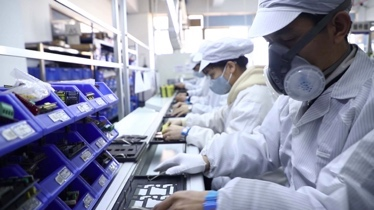
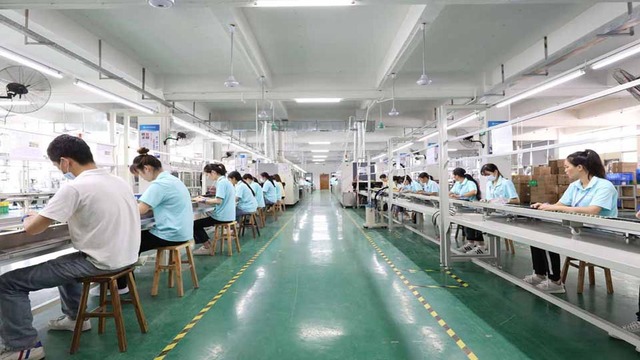
China remains the central hub for electronics and educational technology manufacturing, with key supplier clusters concentrated in Guangdong, Zhejiang, and Jiangsu provinces. Shenzhen, located in Guangdong, serves as the core of China’s electronics supply chain, hosting over 70% of PCB assembly and microcontroller-based product manufacturers. This region benefits from mature component sourcing networks, enabling rapid prototyping and scalable production of Arduino-compatible kits and robotics education systems.
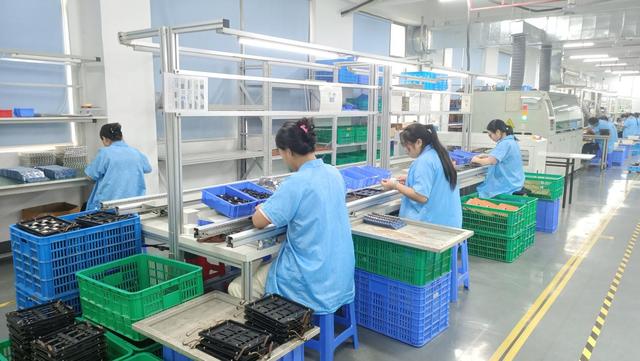
These industrial ecosystems support vertically integrated production—from SMT (surface-mount technology) lines to final kit packaging—allowing suppliers to fulfill orders ranging from small educational batches to large institutional volumes. Proximity to semiconductor distributors, plastic injection molders, and logistics centers reduces lead times by up to 40% compared to non-specialized regions. Buyers typically access cost advantages of 25–35% on standardized kits due to localized BOM (bill of materials) sourcing and automated assembly processes.
Suppliers in this sector commonly serve STEM education providers, vocational training institutions, and private-label brands seeking customizable robotics platforms. The availability of open-source hardware designs enables fast adaptation of base models, supporting integration of sensors, motor drivers, and wireless modules tailored to specific curricula or technical requirements.
How to Choose Arduino Kit and Robotics Kits Suppliers?
Procurement decisions should be guided by structured evaluation criteria to ensure technical reliability and operational consistency:
Quality Assurance & Compliance
Confirm adherence to ISO 9001 standards for quality management systems. For export markets, verify compliance with RoHS (Restriction of Hazardous Substances) and CE marking where applicable, particularly for power-supplied or wireless-enabled components. Request test reports for PCB durability, solder joint integrity, and USB/power interface stability under repeated use.
Production Capacity & Technical Infrastructure
Assess supplier capabilities through the following benchmarks:
- Minimum 2,000m² production area with dedicated SMT and through-hole assembly lines
- In-house programming stations for pre-flashing microcontrollers (e.g., ATmega328P, ESP32)
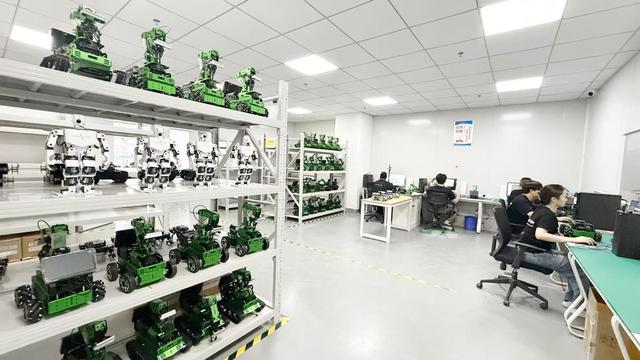
- Capacity to handle monthly output of 10,000+ units for standard Arduino starter kits
- Integration of functional testing jigs to validate board operation and sensor connectivity before shipment
Cross-reference declared production volume with actual order fulfillment history. Prioritize suppliers offering real-time process tracking and video audits of assembly workflows.
Customization & Technical Support
Evaluate flexibility for private labeling, schematic modifications, and curriculum-aligned bundling. Confirm availability of engineering support for firmware customization, bootloader configuration, and documentation localization. Suppliers should provide Gerber files, BOMs, and schematics upon request to facilitate third-party verification.
Transaction Security & Logistics
Utilize secure payment mechanisms such as third-party escrow services, especially for initial orders. Review shipping terms (FOB, CIF) and confirm experience in exporting sensitive electronic goods, including proper ESD (electrostatic discharge) packaging and customs-compliant documentation. Average air freight delivery time to North America or Europe is 7–12 days; sea freight requires 25–35 days but offers lower per-unit costs for full-container loads.
What Are the Best Arduino Kit and Robotics Kits Suppliers?
No supplier data is currently available for detailed comparison. Buyers are advised to initiate sourcing inquiries through verified trade platforms or industry exhibitions focusing on educational technology and embedded systems. When evaluating potential partners, request facility videos, sample kits, and references from existing clients in similar application domains (e.g., schools, maker spaces, engineering labs).
Performance Analysis
In the absence of active supplier profiles, procurement focus should remain on validating technical capability rather than commercial metrics. Emphasis must be placed on verifying actual manufacturing ownership—many intermediaries rebrand OEM products without direct control over quality. Direct factory engagement ensures transparency in component sourcing (e.g., genuine vs. cloned microcontrollers), programming authenticity, and long-term spare part availability. Prioritize partners who offer sample validation programs and allow remote inspection of batch testing procedures.
FAQs
How to verify Arduino kit supplier reliability?
Request official certification documents (ISO, RoHS) and cross-check with issuing bodies. Conduct video audits of production lines, focusing on PCB assembly, IC programming, and final functional testing. Analyze customer feedback related to kit completeness, code compatibility, and technical documentation accuracy.
What is the average sampling timeline?
Standard sample preparation takes 7–14 days, depending on component availability and customization level. Pre-programmed boards with custom bootloaders may require an additional 3–5 days. Air shipping adds 5–10 business days for international delivery.
Can suppliers ship Arduino and robotics kits worldwide?
Yes, most established manufacturers support global distribution via air or sea freight. Confirm Incoterms (e.g., FOB Shenzhen, CIF Rotterdam), insurance coverage, and import regulations for electronic educational equipment in destination markets. Proper packaging must include anti-static bags and impact-resistant cartons.
Do manufacturers provide free samples?
Sample policies vary. Some suppliers waive fees for qualified bulk orders (typically MOQ ≥ 100 units). Otherwise, expect to pay full production cost plus shipping, which may be credited toward future orders exceeding 50 units.
What are typical MOQ and lead times?
Minimum Order Quantities range from 10 units for niche robotics kits to 100+ for customized Arduino variants. Standard lead time for production orders is 20–30 days after sample approval. Expedited production (12–18 days) is available at a premium for orders under 5,000 units.





