Arduino Projects For Beginners





 1/1
1/1


 1/2
1/2


 1/3
1/3




 1/3
1/3



 1/3
1/3



 1/3
1/3



 1/1
1/1









 1/28
1/28




 0
0

 CN
CN


 1/14
1/14



 1/3
1/3




 0
0



 1/1
1/1



 0
0




 1/3
1/3


 1/3
1/3


 1/3
1/3


 1/31
1/31


 1/12
1/12
About arduino projects for beginners
Where to Find Arduino Projects for Beginners Suppliers?
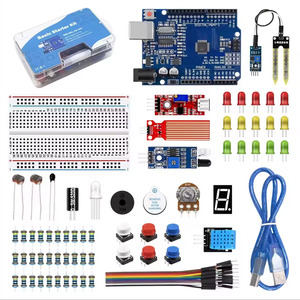
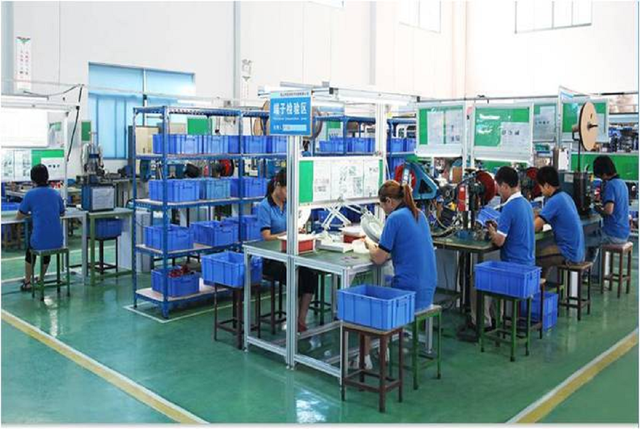
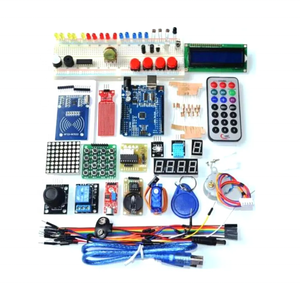
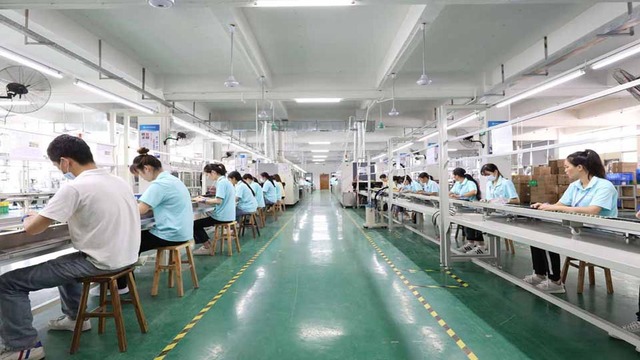
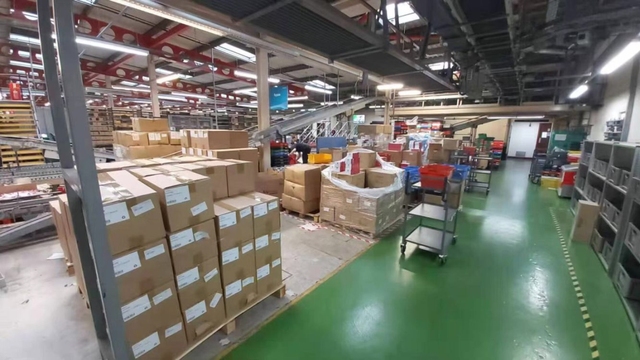
The global supply base for educational electronics, including Arduino-based learning kits, is highly decentralized, with significant manufacturing and assembly activity concentrated in Guangdong and Jiangsu provinces in China. These regions host integrated electronics ecosystems combining PCB fabrication, surface-mount technology (SMT) lines, and plastic injection molding—enabling rapid prototyping and scalable production of beginner-focused project bundles. Shenzhen, within Guangdong, serves as a primary hub due to its proximity to component markets like Huaqiangbei and established logistics corridors for global distribution.
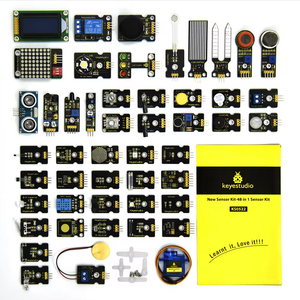
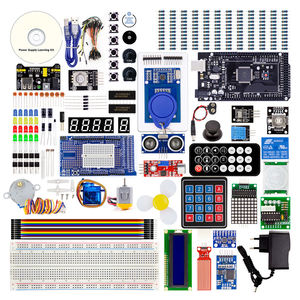
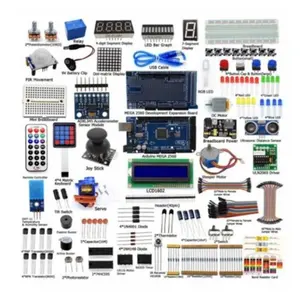
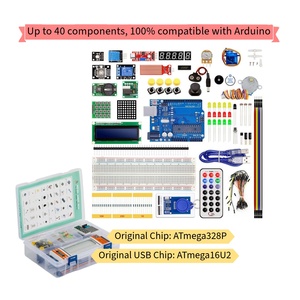
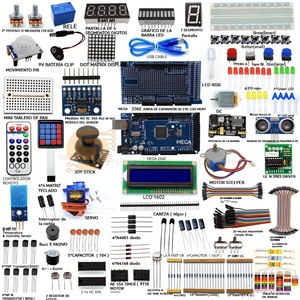
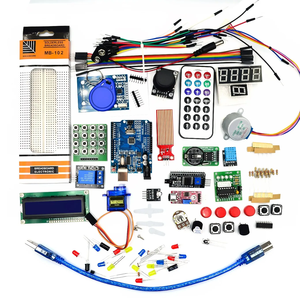
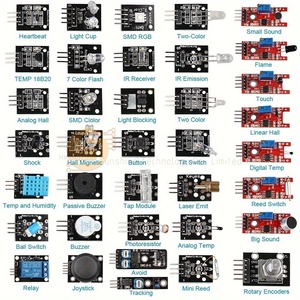
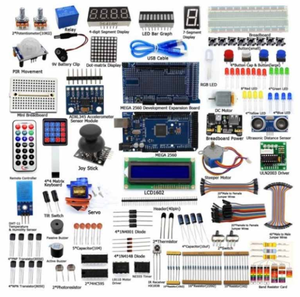
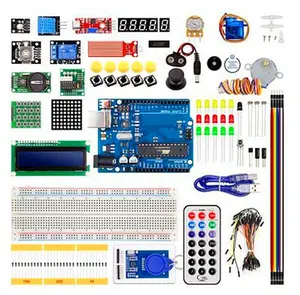
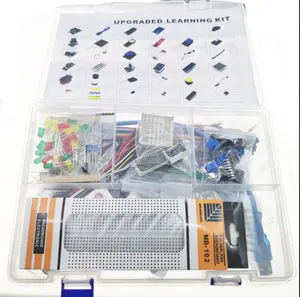
Suppliers in these clusters benefit from streamlined access to microcontrollers (ATmega328P, ESP32), breadboards, jumper wires, and sensors (e.g., ultrasonic, temperature, motion), allowing modular kit configurations. Production facilities typically support batch outputs ranging from 1,000 to 50,000 units monthly, with lead times averaging 20–35 days for standard orders. Cost efficiencies stem from localized sourcing of electronic subassemblies, reducing material procurement cycles by up to 40% compared to non-specialized regions. Buyers gain flexibility in packaging formats—from retail-ready boxes to bulk educational sets—with many suppliers offering drop-shipping compatibility.
How to Choose Arduino Projects for Beginners Suppliers?
Implement structured evaluation criteria to ensure technical reliability and supply chain consistency:
Quality & Compliance Verification
Confirm adherence to international electronics safety standards, including RoHS (Restriction of Hazardous Substances) and CE marking for electromagnetic compatibility (EMC). For shipments to North America, FCC Part 15 compliance is essential. Request test reports for power regulation circuits and USB-to-serial converters commonly used in starter kits. Validate that supplied microcontrollers are original OEM-grade, not cloned chips, through supplier-provided datasheets or third-party inspection.
Production & Customization Capacity
Assess operational infrastructure using the following benchmarks:
- Minimum 2,000m² workshop area with ESD-safe assembly zones
- In-house SMT line capable of handling 0603-size components
- Capacity to customize project guides, firmware preloading, or branding (silk-screening, labels)
Evaluate scalability via documented order history—suppliers serving institutional clients (schools, coding bootcamps) typically maintain higher process standardization.
Procurement Safeguards
Utilize secure transaction models such as letter of credit (L/C) or escrow services for initial orders. Prioritize suppliers with verifiable export experience to your target market, particularly those familiar with customs documentation for educational electronics. Conduct sample validation by testing full project functionality—including code upload success rate and sensor responsiveness—before approving mass production.
What Are the Best Arduino Projects for Beginners Suppliers?
| Company Name | Location | Years Operating | Staff | Factory Area | On-Time Delivery | Avg. Response | Ratings | Reorder Rate |
|---|---|---|---|---|---|---|---|---|
| Supplier data unavailable | ||||||||
Performance Analysis
In the absence of specific supplier data, procurement decisions should emphasize demonstrated experience in educational electronics rather than generalized electronics manufacturing. Top-tier suppliers typically offer multilingual project manuals, curriculum alignment (e.g., STEM/STEAM frameworks), and version-controlled code repositories. Reorder rates above 30% often indicate strong post-sale support and consistent kit performance. Prioritize partners with documented quality management systems (QMS), even if formal ISO 9001 certification is pending, especially when targeting institutional buyers requiring audit trails.
FAQs
How to verify Arduino kit supplier reliability?
Cross-reference compliance certifications with accredited labs. Request customer references from educational institutions or distributors. Conduct remote audits via live video walkthroughs of assembly and testing stations. Analyze feedback on product longevity and error rates in uploaded tutorials or user forums.
What is the average sampling timeline?
Standard sample kits are typically produced within 7–14 days. Customized versions with branded materials or modified project sequences require 18–25 days. Air shipping adds 5–10 days depending on destination. Sample costs usually range from $50–$150, refundable against first bulk order.
Can suppliers ship Arduino project kits worldwide?
Yes, most experienced suppliers manage international shipping via express couriers (DHL, FedEx) for samples and sea freight for container loads. Confirm Incoterms (FOB Shenzhen, CIF Rotterdam, etc.) and ensure proper battery classification (if including Li-ion modules) per IATA regulations for air transport.
Do manufacturers provide free samples?
Free samples are uncommon for complete kits but may be offered for repeat buyers or large-volume prospects. Some suppliers waive fees if the subsequent order exceeds 1,000 units. Partial subsidies covering 30–50% of sample cost are typical during negotiation phases.
How to initiate customization requests?
Submit detailed requirements including: targeted skill level (ages 10–16, university beginners), number of projects (8–20 recommended), preferred IDE compatibility (Arduino IDE, MakeCode), and desired documentation format (PDF, QR-linked videos). Suppliers with dedicated R&D teams can deliver prototype kits and revised schematics within 3 weeks.





