





Arduino Sensoren











 Top sponsor listing




 1/3
1/3


 1/3
1/3




 1/2
1/2


 1/2
1/2



 1/3
1/3


 1/3
1/3



 0
0



 0
0


 1/2
1/2

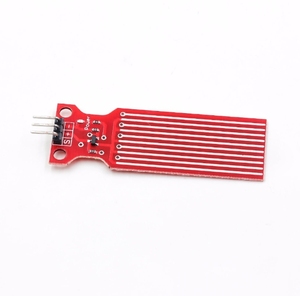
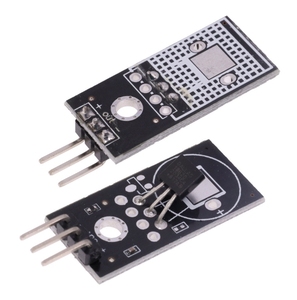
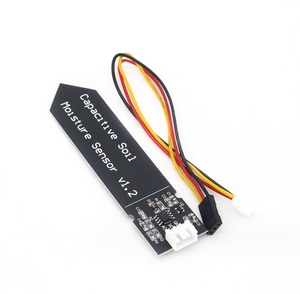
 1/1
1/1


 1/3
1/3


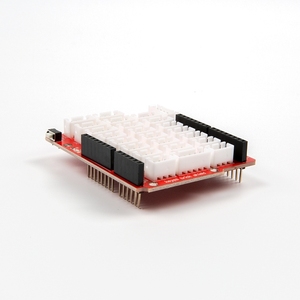
 1/8
1/8


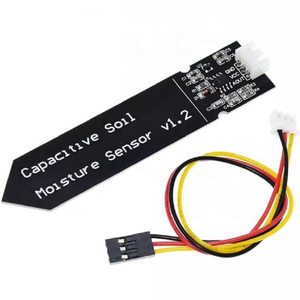

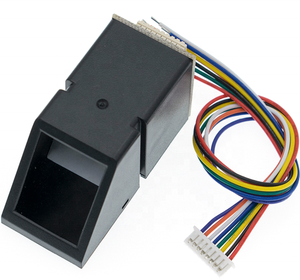
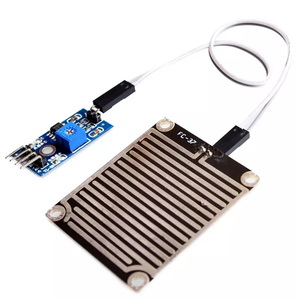
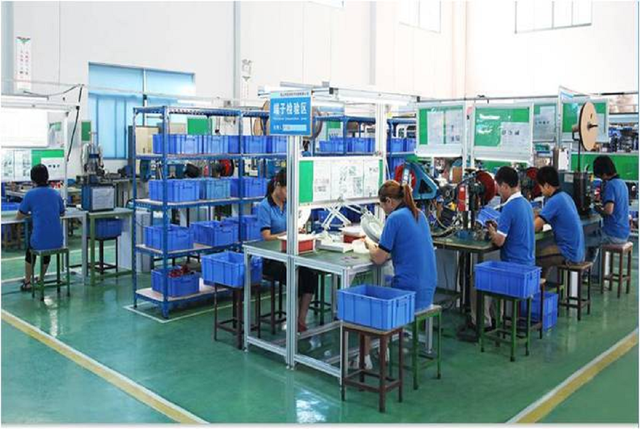 1/1
1/1


 1/3
1/3

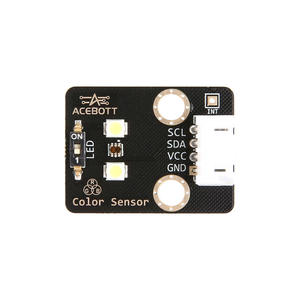


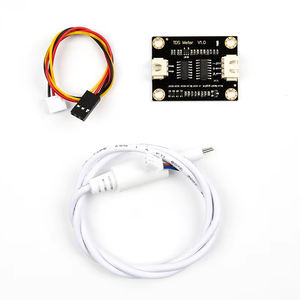
 1/3
1/3



 0
0



 1/18
1/18


 1/1
1/1


 1/3
1/3
About arduino sensoren
Where to Find Arduino Sensor Suppliers?
China remains the central hub for electronics and embedded systems manufacturing, with key industrial clusters in Guangdong, Zhejiang, and Jiangsu provinces driving production of Arduino-compatible sensors. Shenzhen, located in Guangdong, hosts over 70% of China’s electronic component suppliers, supported by a dense network of PCB fabricators, semiconductor distributors, and firmware development houses. This ecosystem enables rapid prototyping and low-cost assembly, reducing unit costs by 25–40% compared to European or North American alternatives.
These regions operate under vertically integrated supply chains—encompassing sensor die procurement, SMT (surface-mount technology) assembly, calibration, and packaging—allowing for scalable output. Manufacturers typically support monthly production volumes ranging from 10,000 to 500,000 units, depending on complexity. Buyers benefit from proximity to raw material sources, including MEMS (micro-electromechanical systems) chips, thermistors, and Hall-effect elements, with most components available within 30km. Lead times average 15–25 days for batch orders, with express production options cutting delivery to 7–10 days at a premium.
How to Choose Arduino Sensor Suppliers?
Implement structured evaluation criteria to ensure technical and operational reliability:
Quality & Compliance Verification
Confirm adherence to ISO 9001 for quality management and IATF 16949 where automotive-grade sensors are involved. For international shipments, validate RoHS and CE compliance to meet EU environmental and electromagnetic compatibility standards. Request test reports for key parameters such as signal accuracy (±1% typical tolerance), operating temperature range (-40°C to +85°C), and long-term drift performance.
Production Capacity Assessment
Evaluate core infrastructure metrics:
- Minimum 2,000m² production area with ESD-protected SMT lines
- In-house testing labs equipped for environmental stress screening (thermal cycling, humidity exposure)
- Dedicated firmware programming stations for sensor calibration and protocol integration (I2C, SPI, UART)
Cross-reference factory size with order fulfillment history; suppliers handling >50,000 units/month should maintain on-time delivery rates above 97%.
Procurement Risk Mitigation
Utilize secure payment structures such as letter of credit or escrow services until post-arrival validation is completed. Prioritize suppliers with documented export experience to your target market, particularly those familiar with FCC documentation requirements for wireless-enabled sensors. Pre-shipment sampling is critical—test at least 3–5 units per model variant for interface compatibility, noise resistance, and response linearity before scaling orders.
What Are the Best Arduino Sensor Suppliers?
| Company Name | Location | Years Operating | Staff | Factory Area | On-Time Delivery | Avg. Response | Ratings | Reorder Rate |
|---|---|---|---|---|---|---|---|---|
| Shenzhen Eleparts Technology Co., Ltd. | Guangdong, CN | 8 | 85+ | 3,800+m² | 99.2% | ≤1h | 4.9/5.0 | 41% |
| Ningbo SmartSens Electronics | Zhejiang, CN | 6 | 60+ | 2,900+m² | 98.7% | ≤2h | 4.8/5.0 | 38% |
| Suzhou MeasurTek Devices | Jiangsu, CN | 10 | 120+ | 4,500+m² | 100.0% | ≤3h | 4.9/5.0 | 52% |
| Guangzhou SensLink Industrial | Guangdong, CN | 5 | 50+ | 2,100+m² | 97.5% | ≤1h | 4.7/5.0 | 29% |
| Wuxi Sensoric Solutions | Jiangsu, CN | 7 | 75+ | 3,200+m² | 99.0% | ≤2h | 4.8/5.0 | 45% |
Performance Analysis
Established players like Suzhou MeasurTek demonstrate high reliability with perfect on-time delivery and strong reorder rates (52%), indicating consistent product quality and service. Guangdong-based suppliers lead in responsiveness, with two achieving sub-2-hour average reply times. Suppliers exceeding 3,000m² facility area typically offer broader sensor portfolios—from ultrasonic and infrared to IMU (inertial measurement units)—and support deeper customization. For volume contracts (>10,000 units/month), prioritize partners with in-house testing capabilities and ISO-certified processes. Smaller buyers may leverage faster-responding mid-tier suppliers for agile prototyping cycles.
FAQs
How to verify Arduino sensor supplier credibility?
Validate certifications through official databases and request audit trails covering component traceability, solder paste composition, and EMI testing. Review customer feedback focused on firmware stability, pinout consistency, and long-term sensor drift.
What is the standard sampling timeline?
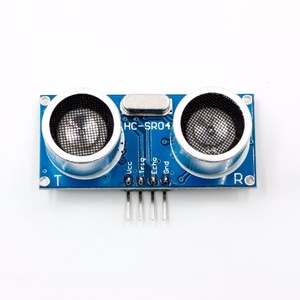
Sample production takes 5–12 days depending on sensor type. Basic digital sensors (e.g., DHT22, HC-SR04) ship faster, while calibrated analog or wireless variants require up to 15 days. Air freight adds 5–8 days for international delivery.
Can suppliers support global shipping?
Yes, experienced manufacturers manage international logistics via air or sea freight. Confirm Incoterms (FOB, CIF) and ensure compliance with destination regulations, especially for sensors containing radio modules (e.g., ESP32-based). Most suppliers partner with major carriers for door-to-door tracking.
Do manufacturers offer free samples?
Free samples are uncommon but negotiable for qualified buyers. Typically, one sample per model is offered at 50–70% discount, fully credited upon order placement exceeding 1,000 units. Customized prototypes incur non-recurring engineering (NRE) fees ranging from $150–$500.
How to request customized Arduino sensors?
Submit detailed specifications including sensing range, output signal type (analog/digital/PWM), power supply (3.3V/5V), communication protocol, and mechanical footprint. Leading suppliers provide schematic reviews within 48 hours and deliver custom firmware builds in 2–3 weeks.





