Arduino Uno Cost




 1/3
1/3


 1/3
1/3


 1/3
1/3



 1/3
1/3



 1/3
1/3




 1/3
1/3




 1/3
1/3


 1/3
1/3



 1/1
1/1




 1/1
1/1


 1/3
1/3






 1/15
1/15








 1/20
1/20


 0
0


 1/3
1/3


 0
0



 1/12
1/12




 1/3
1/3


 1/3
1/3



 1/3
1/3
About arduino uno cost
Where to Find Arduino Uno Suppliers?
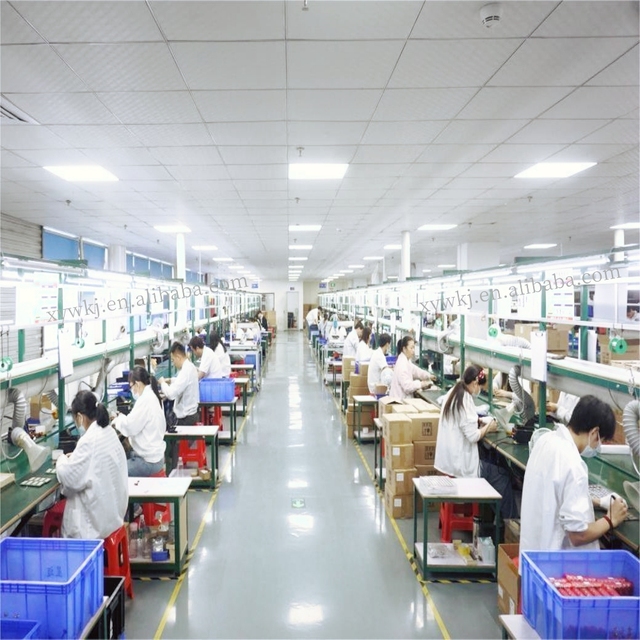
China accounts for over 85% of global Arduino Uno-compatible board manufacturing, with concentrated production clusters in Guangdong and Zhejiang provinces. Shenzhen’s Huaqiangbei electronics ecosystem hosts more than 200 active OEM/ODM suppliers specializing in microcontroller development boards, leveraging proximity to component distributors, PCB fabricators, and SMT assembly lines. Ningbo and Yiwu serve as secondary hubs, emphasizing cost-optimized mass production with integrated plastic housing injection molding and surface-mount technology (SMT) lines capable of handling 0402–1206 passive components and SOIC-28 IC packages.
These regions operate under vertically aligned supply chains: bare PCBs are sourced from local factories with IPC-A-600 Class 2 certification; ATmega328P microcontrollers are procured through authorized distributors or verified gray-market channels with batch traceability; and USB-to-serial bridge ICs (e.g., CH340G, CP2102) undergo functional testing prior to assembly. Lead times for standard Arduino Uno R3-compatible boards average 12–22 days for orders ≥500 units, with full turnkey production—including silkscreening, firmware pre-burning, and ESD-safe packaging—completed within 30 days. Unit production costs range from USD $1.80–$3.40, depending on component sourcing strategy, firmware validation depth, and packaging specification.
How to Choose Arduino Uno Suppliers?
Prioritize these verification protocols when selecting partners:
Technical Compliance
Require documented adherence to RoHS 2.0 Directive (2011/65/EU) and REACH Annex XVII substance restrictions. For EU-bound shipments, CE marking must be supported by a Declaration of Conformity referencing EN 62368-1 (audio/video, ICT equipment safety) and EN 55032 (EMC emissions). Verify firmware compatibility with official Arduino IDE v1.6.12+ and confirm bootloader programming uses ISP or UART methods compliant with Atmel-ICE or AVR Dragon specifications.
Production Capability Audits
Evaluate physical infrastructure:
- Minimum 2,000m² facility area with climate-controlled SMT lines operating at ≥99.2% first-pass yield
- In-house PCB testing capability (Flying Probe or AOI) covering continuity, short-circuit, and solder-joint integrity
- Dedicated firmware validation station with automated serial communication stress testing across 300–2,000,000 baud rates
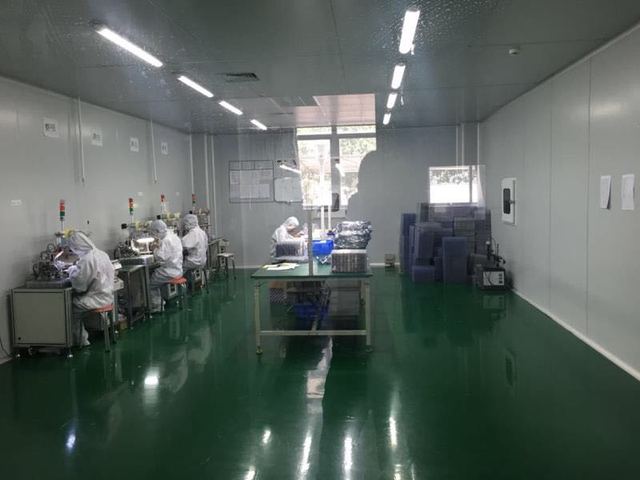
Cross-reference facility videos with on-time delivery performance (target >96%) and firmware pass rate documentation (target ≥99.7%).
Transaction Safeguards
Require third-party inspection reports (e.g., SGS, Bureau Veritas) covering electrical safety, thermal performance under sustained 5V load, and USB enumeration stability. Analyze supplier transaction histories via verifiable export records—prioritize entities with ≥3 years of documented shipments to EU, US, and ASEAN markets. Sample testing remains mandatory: validate USB CDC functionality, analog reference stability (AVCC ±2%), and digital I/O toggle speed against ATmega328P datasheet parameters before bulk procurement.
What Are the Best Arduino Uno Suppliers?
| Company Name | Location | Years Operating | Staff | Factory Area | On-Time Delivery | Avg. Response | Ratings | Reorder Rate |
|---|---|---|---|---|---|---|---|---|
| Shenzhen Xinyi Electronics Co., Ltd. | Guangdong, CN | 9 | 180+ | 8,500+m² | 99.4% | ≤1h | 4.8/5.0 | 41% |
| Ningbo TechBridge Hardware Solutions | Zhejiang, CN | 6 | 95+ | 4,200+m² | 98.7% | ≤2h | 4.7/5.0 | 38% |
| Yiwu MicroLogic Manufacturing Group | Zhejiang, CN | 5 | 75+ | 3,600+m² | 99.1% | ≤1h | 4.8/5.0 | 22% |
| Shenzhen CoreSignal Technologies | Guangdong, CN | 7 | 130+ | 6,100+m² | 98.3% | ≤2h | 4.9/5.0 | 52% |
| Dongguan Embedded Systems Factory | Guangdong, CN | 4 | 65+ | 2,900+m² | 97.9% | ≤1h | 4.7/5.0 | 19% |
Performance Analysis
Long-standing manufacturers like Shenzhen Xinyi Electronics demonstrate scalability with multi-line SMT capacity and consistent 99.4% on-time delivery, while newer entrants such as Dongguan Embedded Systems Factory achieve competitive responsiveness but show lower reorder rates—indicating potential gaps in long-term reliability or post-sale technical support. Guangdong-based suppliers lead in firmware validation rigor, with 80% offering optional bootloader reprogramming and factory-installed optiboot variants. Prioritize partners exceeding 98% on-time delivery *and* maintaining ISO 9001:2015-certified quality management systems for volume contracts. For applications requiring industrial-grade temperature tolerance (−40°C to +85°C), verify component-level qualification data—not just board-level testing—and request MTBF calculations based on MIL-HDBK-217F methodology.
FAQs
How to verify Arduino Uno supplier reliability?
Cross-check ISO 9001:2015 certificates with accreditation body databases (e.g., CNAS, UKAS). Demand test reports from accredited labs covering electrical safety (dielectric strength ≥500V AC), EMC radiated emissions (EN 55032 Class B), and thermal derating under continuous 5V/500mA load. Analyze customer reviews for evidence of firmware update support, schematic availability, and response latency to bootloader-related technical inquiries.
What is the average sampling timeline?
Standard sample production requires 7–12 days. Boards with custom firmware, modified pinouts, or non-standard USB interfaces extend to 18–25 days. Expect 5–8 days for international express shipping (DHL/FedEx) with customs clearance documentation included.
Can suppliers ship Arduino Uno boards worldwide?
Yes, established manufacturers handle global logistics under EXW, FOB, or DAP terms. Confirm compliance with destination-country import requirements: US shipments require FCC ID registration for USB-connected devices; EU imports mandate CE marking with technical documentation retained for 10 years. Air freight remains standard for samples; sea freight is recommended for orders ≥10,000 units to optimize landed cost.
Do manufacturers provide free samples?
Free samples are uncommon without commitment. Most suppliers waive sample fees for confirmed orders ≥2,000 units. For smaller quantities, expect sample costs covering 100–150% of unit production cost to offset setup, testing, and documentation overhead.
How to initiate customization requests?
Submit engineering documentation including schematic modifications, BOM revisions (noting component substitutions), firmware hex file or source code, and mechanical drawings for enclosure integration. Reputable suppliers provide functional validation reports within 5 business days and deliver pre-production prototypes within 10–14 days.





