Arduino Unor4




 1/3
1/3





 1/15
1/15


 1/3
1/3


 1/3
1/3




 1/2
1/2

 1/3
1/3


 1/2
1/2


 0
0


 0
0


 1/3
1/3



 1/3
1/3


 1/3
1/3


 1/3
1/3




 1/1
1/1


 1/4
1/4



 1/3
1/3


 0
0



 1/3
1/3


 1/3
1/3


 1/2
1/2
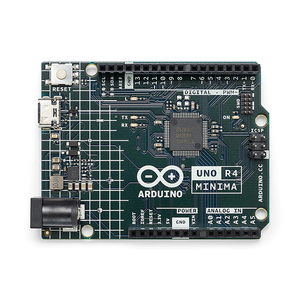
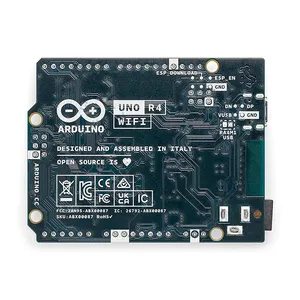
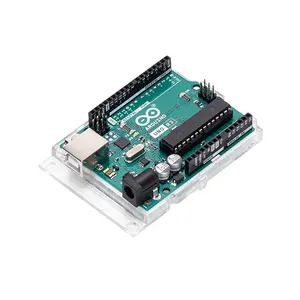
About arduino unor4
Where to Find Arduino UNOR4 Suppliers?
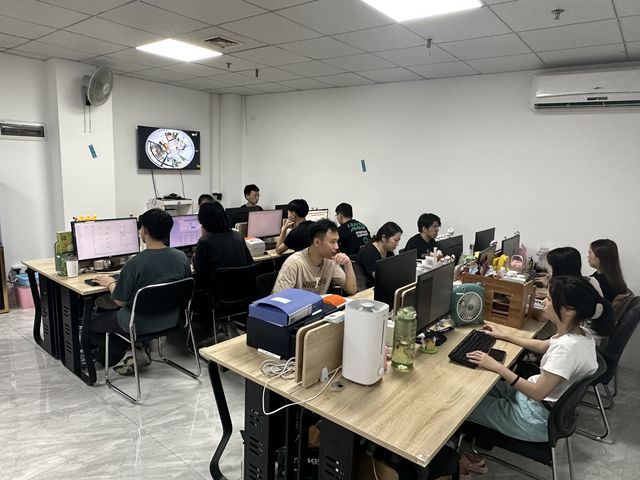
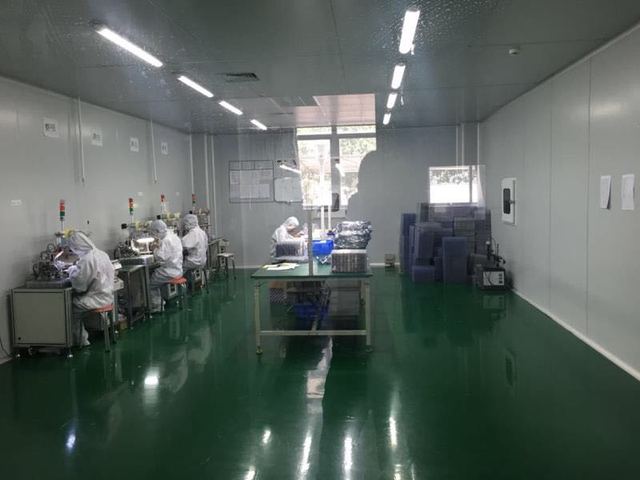
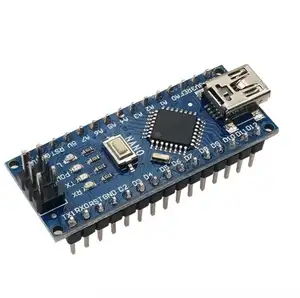
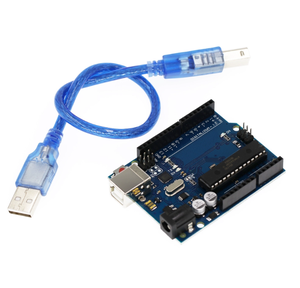
Global production of Arduino-compatible development boards, including the UNOR4 variant, is heavily concentrated in China’s electronics manufacturing hubs, particularly in Guangdong and Jiangsu provinces. These regions host vertically integrated supply chains encompassing PCB fabrication, surface-mount technology (SMT) assembly, and firmware programming, enabling rapid prototyping and high-volume output. Shenzhen, within Guangdong, serves as a core node due to its proximity to component distributors, testing laboratories, and export terminals, facilitating lead times as low as 15–20 days for standard orders.
The industrial ecosystem supports both OEM and ODM models, with many facilities operating cleanrooms compliant with IPC-A-610 Class 2 standards for electronic assemblies. Localized access to microcontrollers (ATmega328P), USB-to-serial converters (CH340 or ATmega16U2), and passive components ensures material availability and cost efficiency, with production costs typically 25–35% below those of EU- or US-based manufacturers. Buyers benefit from scalable capacity, with mid-tier suppliers reporting monthly outputs exceeding 50,000 units and full traceability across batch codes and solder profiles.
How to Choose Arduino UNOR4 Suppliers?
Implement structured evaluation criteria to mitigate quality and compliance risks:
Technical Compliance
Confirm adherence to open-source hardware specifications published by Arduino LLC. Essential certifications include RoHS and CE for electromagnetic compatibility (EMC) and environmental safety. Request test reports for signal integrity, power regulation stability (5V/3.3V rails), and USB interface durability. Verify that firmware is pre-loaded without proprietary lock-ins and supports standard IDE environments.
Production Capability Audits
Assess operational infrastructure through documented evidence:
- Minimum 2,000m² facility with ESD-protected assembly lines
- In-house SMT placement machines (CPM > 30,000/hr) and automated optical inspection (AOI)
- Functional testing protocols covering digital/analog I/O, PWM channels, and UART communication
Cross-reference production logs with order fulfillment history, targeting on-time delivery rates above 97%.
Transaction Safeguards
Utilize secure payment mechanisms such as third-party escrow until product verification is completed. Prioritize suppliers with verifiable transaction records and dispute resolution transparency. Conduct sample validation—test at least five units per batch for boot consistency, pin functionality, and serial communication reliability before scaling procurement.
What Are the Best Arduino UNOR4 Suppliers?
No supplier data is currently available for Arduino UNOR4 manufacturers. Procurement professionals are advised to initiate direct engagement with potential partners through verified trade channels and conduct preliminary audits based on facility scale, technical documentation, and compliance records. Emphasis should be placed on suppliers demonstrating consistent output quality, responsive engineering support, and transparent sourcing practices.
Performance Analysis
In absence of specific supplier metrics, risk mitigation hinges on proactive due diligence. Focus on companies with documented experience exporting electronic development tools to North America and Europe, where regulatory scrutiny is higher. Preference should be given to manufacturers offering detailed BOMs (bill of materials), schematic diagrams, and revision-controlled design files. For customization needs—such as branded silkscreening, modified pin headers, or extended temperature range components—validate in-house design capabilities via virtual factory walkthroughs and prototype timelines.
FAQs
How to verify Arduino UNOR4 supplier reliability?
Validate compliance documents against issuing bodies and request independent lab test results for EMC and electrical safety. Review customer feedback focused on long-term board performance, solder joint integrity, and driver compatibility. Confirm that components are sourced from authorized distributors to avoid counterfeit ICs.
What is the average sampling timeline?
Standard samples can be produced within 7–10 days following design confirmation. Custom configurations involving revised PCB layouts or alternative USB controllers may require 20–25 days. Air shipping adds 5–8 days for international delivery.
Can suppliers ship Arduino UNOR4 boards worldwide?
Yes, most established electronics manufacturers support global logistics via air or sea freight under FOB or DDP terms. Ensure packaging meets IEC 61340-5-1 standards for electrostatic discharge protection during transit. Confirm import compliance with destination regulations, particularly FCC Part 15 for radio frequency emissions in the United States.
Do manufacturers provide free samples?
Sample policies vary; some suppliers offer one complimentary unit for qualified buyers committing to MOQs above 500 pieces. Others charge a nominal fee covering material and labor, typically refundable upon order placement. High-complexity variants always incur sampling costs.
How to initiate customization requests?
Submit complete technical requirements including desired microcontroller variant, power input options (DC jack vs. VIN), bootloader version, and physical dimensions. Reputable suppliers will respond with Gerber files, component placement diagrams, and estimated NRE (non-recurring engineering) charges within 5 business days, followed by prototypes in 3–4 weeks.





