Arduino Wifi Producer



 0
0




 1/15
1/15



 1/3
1/3



 1/3
1/3







 1/3
1/3




 1/3
1/3



 1/1
1/1



 1/2
1/2


 1/3
1/3


 1/3
1/3


 1/3
1/3


 0
0


 1/3
1/3



 1/3
1/3


 1/3
1/3


 1/12
1/12


 1/12
1/12




 1/3
1/3


 1/11
1/11
About arduino wifi producer
Where to Find Arduino WiFi Producer Suppliers?
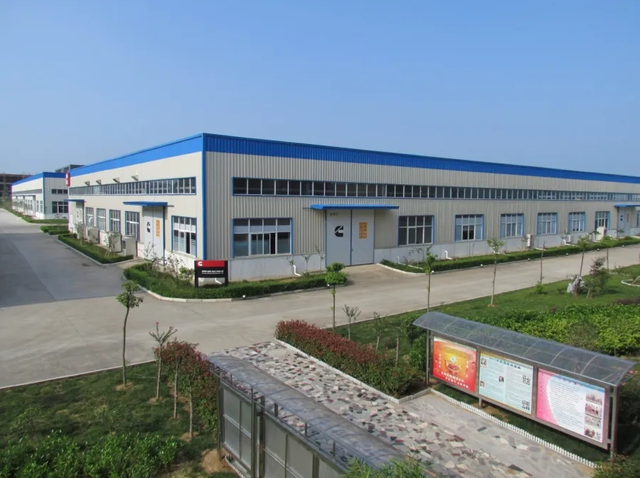
China remains the central hub for electronics manufacturing, including embedded systems such as Arduino WiFi modules, with concentrated production in Guangdong and Jiangsu provinces. Shenzhen, within Guangdong, hosts a mature ecosystem of electronics OEMs and ODMs specializing in microcontroller-based solutions, offering rapid prototyping, component sourcing, and scalable assembly. This region benefits from proximity to semiconductor suppliers and contract manufacturers, enabling faster turnaround times and reduced material procurement costs by 18–25% compared to non-specialized regions.
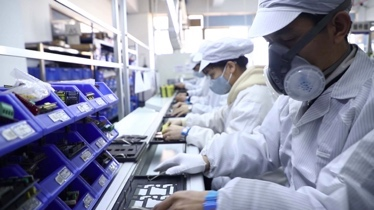
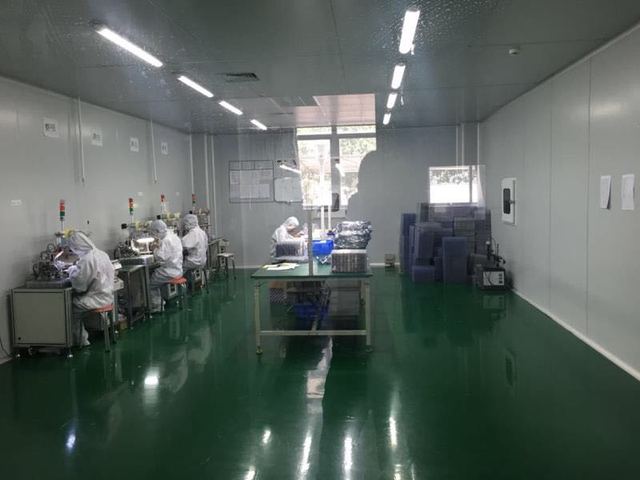
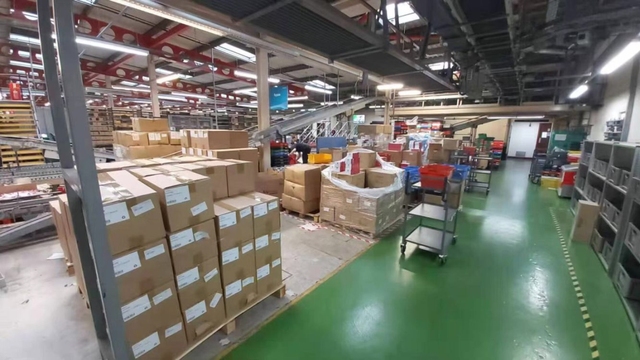
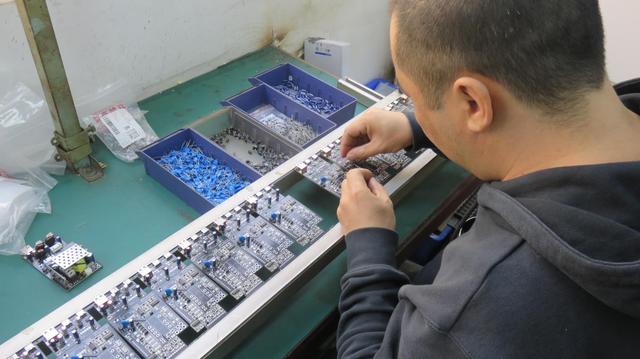
The industrial clusters support vertical integration across PCB fabrication, surface-mount technology (SMT) lines, firmware programming, and wireless module certification testing. Facilities typically operate automated SMT and reflow soldering equipment, supporting monthly production volumes ranging from 50,000 to over 500,000 units depending on scale. Buyers gain access to streamlined supply chains where design, testing, and logistics partners are co-located, reducing lead times for standard orders to 25–35 days. Custom configurations may extend timelines by 10–15 days, depending on firmware development and RF compliance validation requirements.
How to Choose Arduino WiFi Producer Suppliers?
Procurement decisions should be guided by rigorous technical and operational verification:
Quality & Compliance Standards
Confirm adherence to ISO 9001 for quality management and IECQ-certified processes. For international markets, ensure modules comply with CE (Europe), FCC Part 15 (USA), and RoHS directives. Validate that WiFi subsystems meet IEEE 802.11 b/g/n standards and operate within approved 2.4 GHz ISM bands. Request test reports for radiated emissions, receiver sensitivity, and power stability under load conditions.
Production Capability Assessment
Evaluate supplier infrastructure based on the following benchmarks:
- Minimum 3,000m² facility with ESD-protected SMT and assembly zones
- In-house PCB printing, pick-and-place machines, and automated optical inspection (AOI)
- Dedicated firmware programming stations and RF anechoic chamber or shielded box for wireless testing
Verify output capacity of at least 20,000 units/month and scalability via dual-shift operations. Cross-reference delivery performance data, targeting on-time fulfillment rates exceeding 97%.
Technical & Transaction Safeguards
Require access to engineering documentation, including BOM transparency, schematic reviews, and version-controlled firmware. Implement third-party inspection protocols prior to shipment, particularly for batch consistency and antenna performance. Utilize secure payment structures such as escrow or LC terms for initial large-volume orders. Conduct sample validation against functional benchmarks—boot time, connection latency, OTA update reliability, and thermal performance under continuous transmission.
What Are the Best Arduino WiFi Producer Suppliers?
No verified supplier data is currently available for this category.
Performance Analysis
In the absence of specific supplier profiles, buyers should prioritize manufacturers demonstrating proven export experience in IoT hardware, particularly those with documented shipments to North America, Europe, or Japan. Evidence of participation in global electronics expos (e.g., Electronica, CES) or partnerships with recognized development platforms can serve as indirect indicators of technical capability. Emphasis should be placed on firms offering full traceability of components—including ESP32 or equivalent certified WiFi SoCs—and transparent revision control for both hardware and software deliverables.
FAQs
How to verify Arduino WiFi producer reliability?
Validate certifications through official databases (e.g., FCC ID Search, EU NANDO). Request factory audit reports or video walkthroughs covering SMT lines, testing stations, and inventory controls. Assess responsiveness to technical inquiries and willingness to provide reference designs or application notes.
What is the average sampling timeline?
Standard samples take 10–18 days to produce, including programming and basic RF checks. For customized firmware or modified PCB layouts, allow 25–35 days. Add 5–9 days for international express delivery.
Can suppliers ship Arduino WiFi modules worldwide?
Yes, experienced producers manage global logistics via air freight or consolidated sea shipments. Confirm incoterms (FOB Shenzhen, DDP, etc.) and ensure compliance with destination regulations for radio-frequency devices. Some markets may require local certification bodies to approve module integration into end products.
Do manufacturers provide free samples?
Sample policies vary. First samples often incur a fee (USD 50–150) to cover materials and labor. Fees may be waived for qualified bulk orders (typically MOQ ≥1,000 units). Repeated sampling for iterations may be charged separately.
How to initiate customization requests?
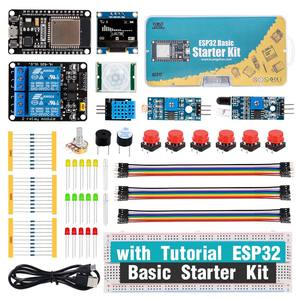
Submit detailed specifications: target MCU (e.g., ESP32-WROOM-32), onboard peripherals (sensors, relays), pin configuration, power requirements, and firmware features (MQTT, HTTP API, BLE coexistence). Leading suppliers respond with schematics, layout proposals, and development timelines within 72 hours.





