Arm Cortex Architecture







 1/13
1/13


 1/3
1/3

 1/1
1/1



 1/3
1/3




 1/3
1/3


 1/2
1/2

 1/17
1/17


 1/3
1/3


 1/3
1/3




 1/3
1/3


 1/3
1/3



 1/3
1/3




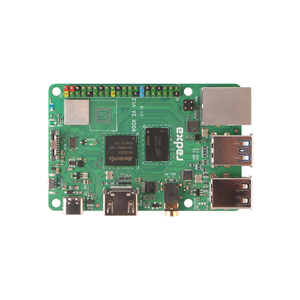


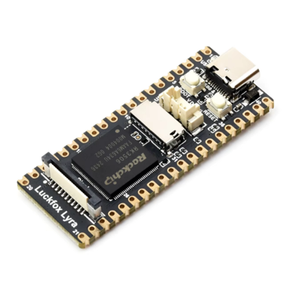
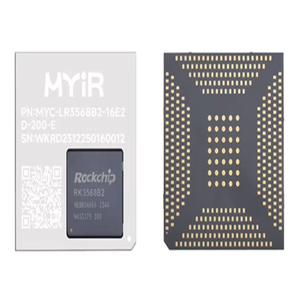


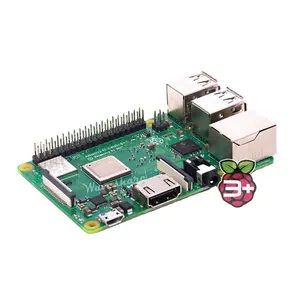
 1/3
1/3



 1/2
1/2









 1/2
1/2



 1/3
1/3


 1/1
1/1


 1/3
1/3
About arm cortex architecture
Where to Source ARM Cortex Architecture Processors?
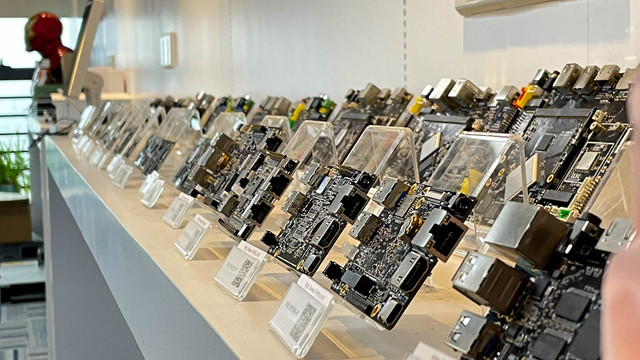
China remains a central hub for semiconductor and embedded systems manufacturing, with key supplier clusters concentrated in Shenzhen, Guangzhou, and Chengdu. These regions host vertically integrated electronics ecosystems that combine IC design, PCB integration, and firmware development under one supply chain. Shenzhen alone accounts for over 70% of China’s microcontroller exports, supported by mature logistics networks and proximity to Tier-1 component distributors.
The industrial advantage lies in rapid prototyping capabilities and scalable production infrastructure. Suppliers leverage localized access to wafer foundries, packaging facilities, and testing labs—reducing time-to-market by up to 40% compared to offshore alternatives. Buyers benefit from flexible MOQs (as low as 1 piece), competitive pricing due to reduced overhead, and access to multi-vendor product portfolios including full development kits, SoCs, and pre-flashed modules based on ARM Cortex-M, -A, and -R series architectures.
How to Evaluate ARM Cortex Architecture Suppliers?
Selecting reliable partners requires systematic assessment across technical, operational, and transactional dimensions:
Technical Competence Verification
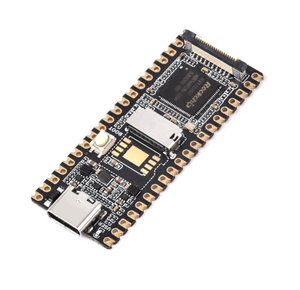
Confirm supplier expertise in handling ARM-based silicon through documented product lines featuring STM32, NXP i.MX, or Rockchip processors. Prioritize vendors offering datasheets, reference schematics, and SDK support. For AI/edge computing applications, verify compatibility with TensorFlow Lite or ROS environments where applicable.
Production and Service Capacity
Assess operational scale using measurable indicators:
- Minimum online revenue exceeding US $50,000/year indicating market traction
- In-house engineering teams capable of customization (e.g., bootloading, clock configuration, power optimization)
- Response time ≤7 hours and on-time delivery rate >93% as proxies for service reliability
Cross-reference these metrics with order history and customer feedback to validate consistency.
Procurement Risk Mitigation
Utilize secure payment methods such as escrow services for initial transactions. Require sample validation before bulk ordering—particularly for BGA-packaged units or high-core-count SoCs. Inspect product authenticity via laser marking verification and batch traceability. Favor suppliers with established export records to North America, Europe, or Japan, as compliance with RoHS and REACH standards is typically enforced.
What Are the Leading ARM Cortex Architecture Suppliers?
| Company Name | Main Products | Online Revenue | On-Time Delivery | Avg. Response | Reorder Rate | Customization Options | Min. Order Quantity |
|---|---|---|---|---|---|---|---|
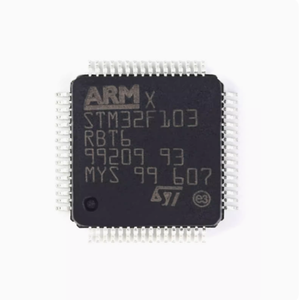
| Shenzhen Umean Technology Co., Ltd. | STM32F Series MCUs (Cortex-M0/M3/M7) | US $470,000+ | 93% | ≤7h | <15% | Yes (color, logo, packaging, labeling) | 1 pc |
| Shenzhen Yixinwei Technology Co., Ltd. | NVIDIA Jetson Nano Developer Kits | US $60,000+ | 100% | ≤2h | 27% | No | 1 pc |
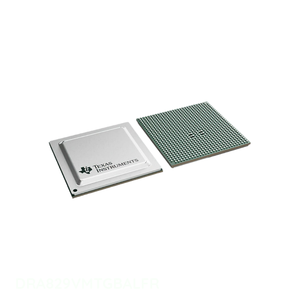
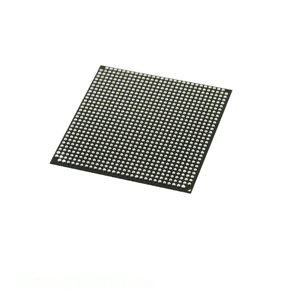
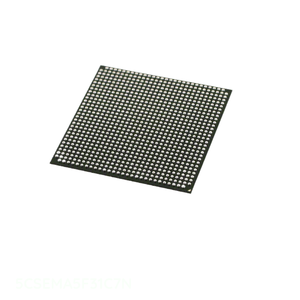
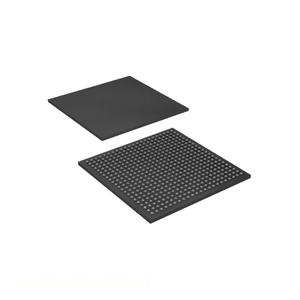
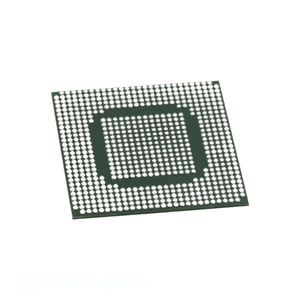
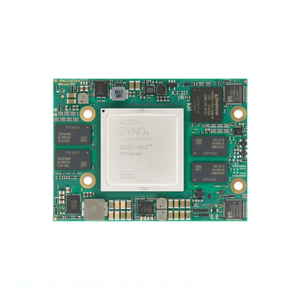
| Vicko Electronics Technology Co., Limited | FPGA SoCs & High-End Processors | US $80,000+ | 100% | ≤1h | <15% | Limited | 1–308 pcs |
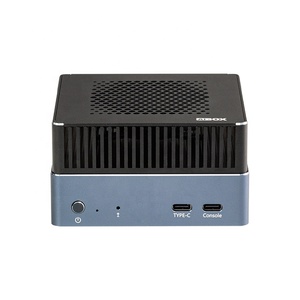
| Sichuan Xinteng Electronic Technology Co., Ltd. | Jetson Orin NX, RK3568 SOMs, AI Motherboards | US $50,000+ | 100% | ≤1h | 22% | Yes (industrial boards, memory configs) | 1 pc |
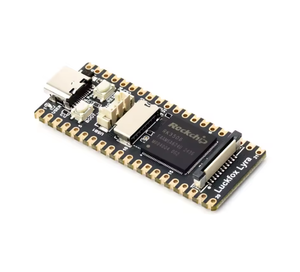
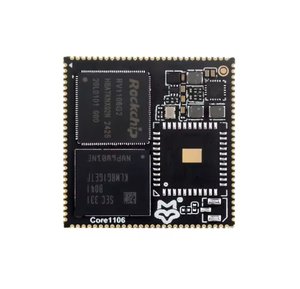
| Shenzhen Silver Qiao Electronic Technology Co., Ltd. | RK3506, RV1103 Dev Boards, Raspberry Pi 5 | US $7,000+ | 100% | ≤3h | <15% | Yes (development kits, accessories) | 1 pc |
Performance Analysis
Shenzhen Umean leads in volume availability and customization breadth, backed by substantial annual sales and diverse STM32 offerings at competitive prices ($1.44–$5.89). Despite a slightly lower on-time delivery rate (93%), its scalability makes it suitable for mid-to-high volume procurement. In contrast, Shenzhen Yixinwei and Vicko Electronics achieve perfect delivery records with sub-2-hour response times, ideal for urgent sourcing needs. Sichuan Xinteng specializes in AI-capable platforms like Jetson Orin NX (up to 40TOPS), targeting edge computing deployments. While Shenzhen Silver Qiao has lower revenue volume, it offers niche value with Linux-ready development boards and official Raspberry Pi 5 distribution.
FAQs
How to verify authenticity of ARM Cortex processors?
Request original packaging, factory batch codes, and laser-marked identifiers. Cross-check part numbers against manufacturer databases (e.g., STMicroelectronics, NVIDIA). Use third-party inspection services for large orders, especially when sourcing FPGAs or multi-die SoCs.
What are typical lead times for samples?
Standard processor samples ship within 3–7 days. Complex modules (e.g., Jetson Orin-based systems) may require 10–15 days if firmware flashing or accessory bundling is needed. Air freight adds 5–9 days internationally.
Do suppliers support global shipping?
Yes, all listed suppliers offer worldwide delivery via express carriers (DHL, FedEx) or sea freight for containerized orders. Confirm Incoterms (FOB, CIF) and import duties for destination countries, particularly EU and U.S. regulations on electronic components.
Are custom firmware or hardware modifications available?
Select suppliers provide OEM services including pre-programming, custom boot sequences, thermal pad layout adjustments, and branded enclosures. Minimum thresholds typically start at 100 units, though some accept smaller batches for dev kit variants.
What is the average MOQ and pricing trend?
MOQ ranges from 1 piece (common for evaluation boards) to 308 pieces (for specialized SoCs). Unit costs decrease significantly above 1,000-unit volumes—especially for STM32 and Rockchip-based designs. Expect price bands between $1.44 for entry-level Cortex-M0 MCUs and $989 for high-performance AI accelerators.





