Arm Processor Vs X86











 1/43
1/43


 1/3
1/3



 1/3
1/3


 1/3
1/3


 0
0


 1/3
1/3



 1/2
1/2


 0
0


 0
0




 1/3
1/3



 1/3
1/3


 1/3
1/3


 1/3
1/3


 0
0


 1/3
1/3




 1/2
1/2




 1/2
1/2



 1/3
1/3


 1/2
1/2
About arm processor vs x86
Where to Find ARM Processor vs x86 Suppliers?
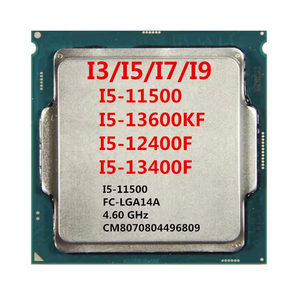
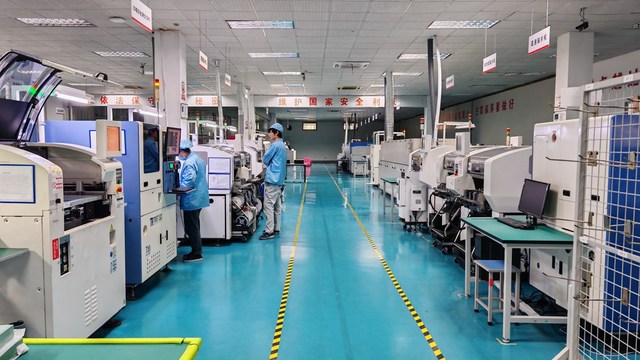
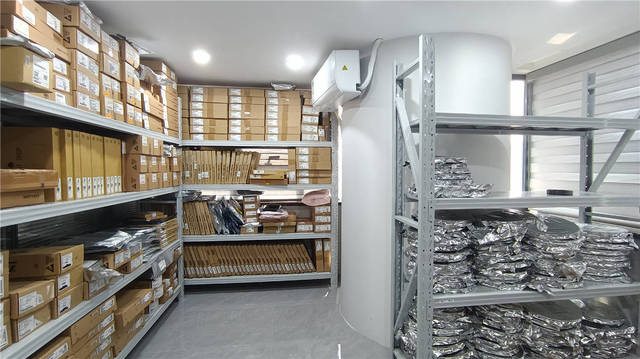
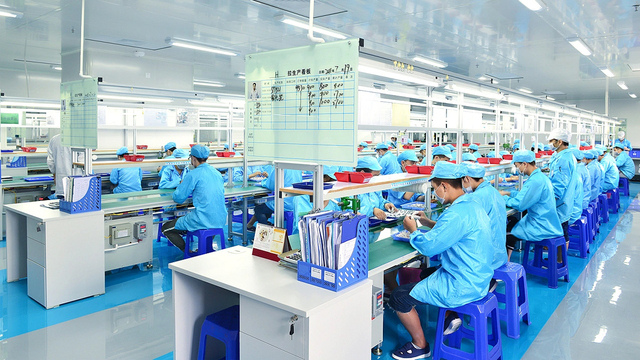
China remains a central hub for semiconductor and embedded computing hardware manufacturing, with key supplier clusters concentrated in Shenzhen, Guangdong, and Shanghai. These regions host vertically integrated ecosystems supporting rapid prototyping, low-volume customization, and high-volume production of both ARM and x86 processor-based solutions. Shenzhen alone accounts for over 70% of China’s industrial single-board computers and compute modules, leveraging proximity to component foundries, PCB fabricators, and logistics networks that reduce time-to-market by up to 35% compared to non-specialized regions.
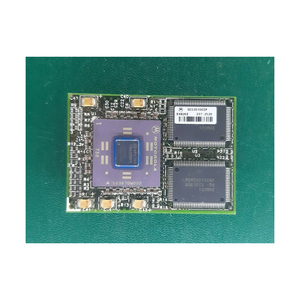
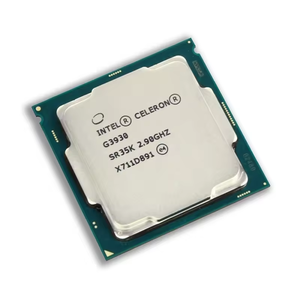
The ecosystem enables co-location of design houses, contract manufacturers, and testing facilities within 30km radii, facilitating agile development cycles for hybrid architectures. Suppliers offer access to dual-architecture platforms—ARM-based SoCs from Rockchip, NXP, and Allwinner alongside x86 processors from Intel, AMD, and legacy x86-compatible silicon—allowing buyers to evaluate performance-per-watt, software compatibility, and thermal efficiency across applications. Typical lead times range from 15–30 days for standard configurations, with bulk orders benefiting from 20–25% cost reductions due to localized supply chains and economies of scale.
How to Choose ARM Processor vs x86 Suppliers?
Selecting reliable suppliers requires structured evaluation across technical, operational, and transactional dimensions:
Architecture & Compatibility Verification
Confirm explicit support for target instruction sets (ARMv7/ARMv8 or x86/x64) and verify BIOS/UEFI firmware compatibility with intended operating systems (Linux, Windows IoT, Android). For industrial deployments, ensure long-term availability (LTA) commitments for critical components, particularly for ARM-based SoMs (System-on-Modules) with limited market lifecycles.
Production and Customization Capability
Assess core competencies through the following criteria:
- In-house R&D teams capable of board-level modifications (BIOS tuning, power management optimization)
- Support for modular customization: RAM capacity (up to 32GB DDR4/LPDDR4), storage (eMMC, NVMe, mSATA), connectivity (Wi-Fi 6, 5G, 10G SFP+), and I/O expansion
- Proven experience in industrial-grade design: wide temperature tolerance (-40°C to +85°C), conformal coating, and fanless thermal solutions
Cross-reference product listings with on-time delivery rates (>90%) and response times (≤2 hours) as proxies for operational responsiveness.
Quality Assurance and Transaction Security
Prioritize suppliers with documented quality management practices. While formal ISO 9001 certification is not universally listed, consistent on-time delivery (≥90%) and reorder rates (>20%) indicate process maturity. Request failure rate data (target <0.5%) and verify compliance with RoHS and REACH standards. Utilize secure payment mechanisms such as escrow services and conduct pre-shipment inspections for initial orders. Sample testing should include stress benchmarks (CPU utilization, thermal throttling, memory bandwidth) under real-world workloads.
What Are the Best ARM Processor vs x86 Suppliers?
| Company Name | Location | Main Architectures | Product Types | On-Time Delivery | Avg. Response | Reorder Rate | Online Revenue | Customization Options |
|---|---|---|---|---|---|---|---|---|
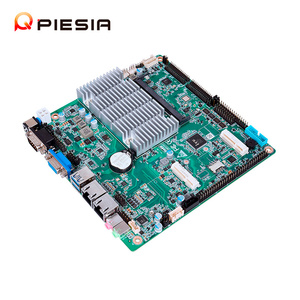
| Shenzhen Piesia Electronic Technology Co., Ltd. | Shenzhen, CN | x86 (Intel Core, Celeron, Pentium) | Mini PCs, ITX Boards, Compute Modules | 100% | ≤2h | 20% | US $940,000+ | RAM, SSD, Wi-Fi, 5G, labeling, packaging |
| Guangdong High Praise Technology Co., Ltd. | Guangdong, CN | ARM (Rockchip RK3288, RK3566), x86 (Intel, AMD) | SBCs, Industrial PCs, Embedded Systems | 73% | ≤2h | 27% | US $150,000+ | Limited customization reported |
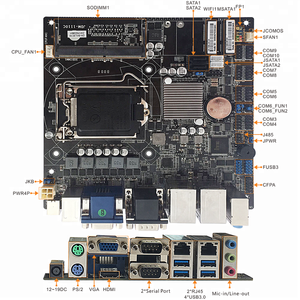
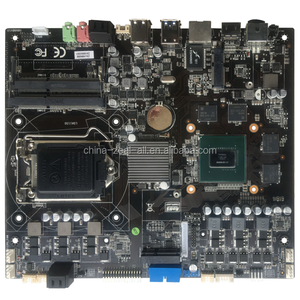
| Shenzhen Zeal-All Industry Co., Ltd. | Shenzhen, CN | x86 (Intel H110, Mini-ITX) | Motherboards, SBCs, Industrial Boards | 100% | ≤6h | <15% | US $1,000+ | Standard configurations only |
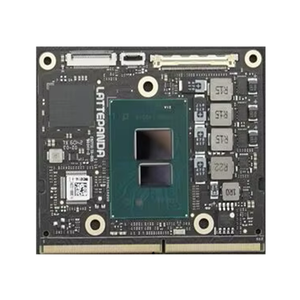
| Shanghai Xuanxin Technology Co., Ltd. | Shanghai, CN | ARM (RK3588, AM62x), x86 (LattePanda Mu) | Development Boards, Compute Modules, Kits | 90% | ≤5h | 22% | US $30,000+ | Education/maker-focused, moderate flexibility |
| Shenzhen MINCONDA Technology Co., Ltd. | Shenzhen, CN | ARM (R9A07G044, AM6528), x86 (embedded microprocessors) | Embedded Microprocessors, ICs, FPGA Modules | 100% | ≤1h | <15% | US $40,000+ | Bulk component sourcing, no system integration |
Performance Analysis
Shenzhen Piesia stands out with full-stack customization capabilities and a 100% on-time delivery record, making it ideal for buyers requiring tailored x86 compute solutions. Guangdong High Praise offers architectural diversity—supporting both ARM and x86 platforms—with the highest reorder rate (27%), suggesting strong customer satisfaction despite lower delivery consistency. Shenzhen MINCONDA excels in ultra-low-cost embedded processors ($0.10–$1.00 range), catering to high-volume BOM-sensitive designs. Shanghai Xuanxin targets developers and OEMs needing ARM-x86 interoperability in compact form factors like compute modules. Buyers prioritizing scalability should favor suppliers with proven track records in industrial motherboards and long-life components, while those developing edge AI or IoT gateways may benefit from ARM-focused vendors with 5G/Wi-Fi 6 integration.
FAQs
How to verify ARM vs x86 processor supplier reliability?
Cross-check delivery performance and response metrics against order history. Request documentation on component sourcing (original vs. remarked chips) and validate authenticity through batch traceability. Review customer feedback focusing on firmware stability and thermal design adequacy.
What is the typical MOQ for ARM or x86 modules?
MOQ varies by product type: single units for development boards and retail-grade mini PCs; 5–20 pieces for industrial SBCs; and 100+ units for fully customized modules. Bulk pricing typically applies at 500+ units.
Can suppliers provide both ARM and x86 solutions?
Yes, several manufacturers—including Guangdong High Praise and Shanghai Xuanxin—offer dual-architecture portfolios, enabling side-by-side evaluation for migration projects or heterogeneous computing environments.
Do suppliers support long-term product availability?
Some do, particularly those focused on industrial automation. Inquire about LTA programs (5+ years) and obsolescence management policies, especially for ARM-based SoCs with shorter commercial lifespans.
How to initiate a customization request for a processor module?
Submit detailed specifications including CPU type, RAM configuration, storage interface, OS requirements, power input, thermal constraints, and regulatory certifications needed. Leading suppliers provide engineering consultation and prototype delivery within 3–6 weeks.





