Auto Clicker For Keyboard





 0
0


 1/3
1/3





 1/16
1/16




 1/4
1/4




 1/24
1/24




 1/3
1/3




 1/3
1/3


 1/2
1/2




 1/3
1/3


 0
0




 1/4
1/4




 1/25
1/25





 1/3
1/3

 1/3
1/3




 1/3
1/3



 1/3
1/3



 1/44
1/44



 1/3
1/3
About auto clicker for keyboard
Where to Find Auto Clicker for Keyboard Suppliers?
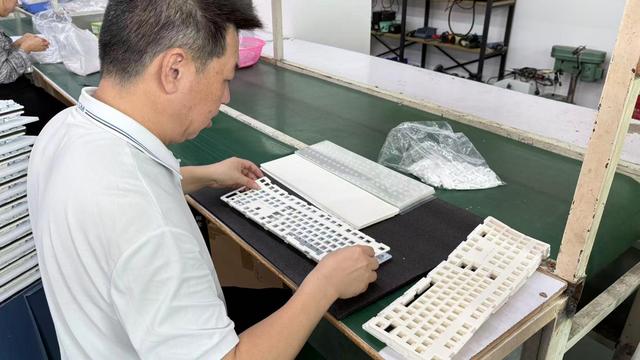
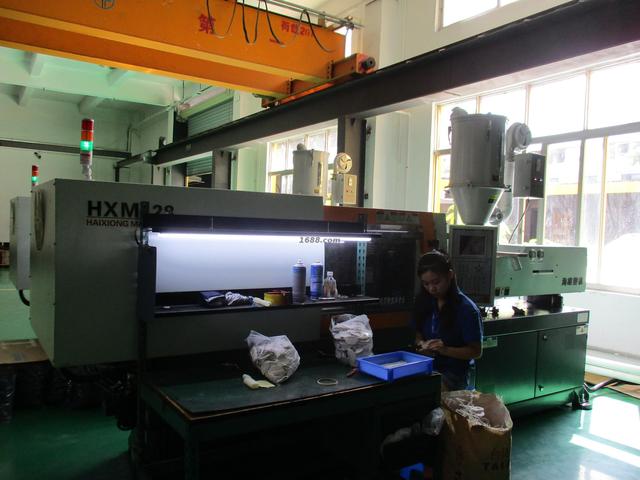
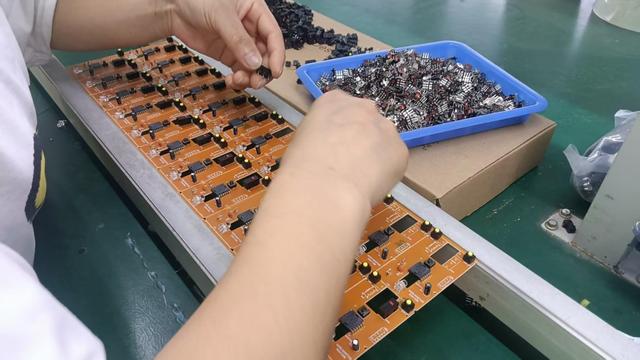
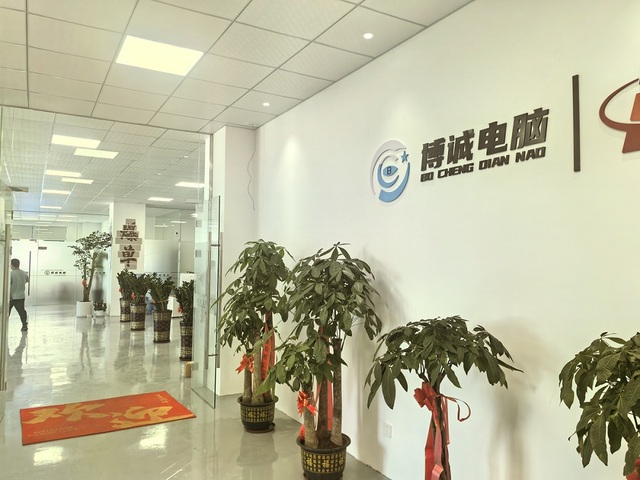
Manufacturing of auto clickers for keyboard is primarily concentrated in Guangdong and Zhejiang provinces in China, regions known for their advanced electronics and micro-device production ecosystems. Guangdong, particularly the Pearl River Delta region, hosts a dense network of OEM/ODM electronics manufacturers with specialized capabilities in PCB assembly, firmware programming, and compact electromechanical integration. These clusters benefit from proximity to component suppliers, enabling rapid prototyping and scalable production runs.
The industrial infrastructure supports high-efficiency manufacturing through semi-automated SMT (Surface Mount Technology) lines and standardized testing protocols. Suppliers in this sector typically operate lean production models with monthly output capacities ranging from 10,000 to 50,000 units, depending on complexity and customization level. Key advantages include fast turnaround times (average lead time: 20–35 days), cost efficiency due to localized sourcing of microcontrollers and sensors, and flexibility in batch sizing for both retail and B2B clients.
How to Choose Auto Clicker for Keyboard Suppliers?
Implement structured evaluation criteria to ensure technical reliability and supply chain consistency:
Quality Management Standards
Verify adherence to ISO 9001 for consistent quality control processes. For markets requiring electromagnetic compatibility (EMC) or safety compliance, confirm RoHS and CE certifications. Request test reports for signal stability, button lifespan (measured in million cycles), and power consumption under continuous operation.
Production Capability Assessment
Evaluate core operational metrics:
- Minimum 2,000m² facility with dedicated clean zones for PCB handling
- In-house firmware development and reprogramming capability
- Automated functional testing rigs for performance validation
Cross-reference declared production capacity with historical order fulfillment data. Prioritize suppliers demonstrating >95% on-time delivery performance and traceability across batches.
Procurement Risk Mitigation
Utilize secure transaction frameworks such as third-party inspection services and milestone-based payments. Conduct pre-shipment audits focusing on software integrity, hardware durability, and packaging standards. Prototype sampling is critical—validate click accuracy, polling rate (minimum 125Hz recommended), and driver-free USB HID compliance before scaling orders.
What Are the Best Auto Clicker for Keyboard Suppliers?
No verified supplier data available at this time.
Performance Analysis
In absence of specific supplier profiles, procurement focus should remain on operational transparency and technical documentation. Established electronics manufacturers typically differentiate through firmware customization options, low-latency response tuning, and modular designs allowing switch replacement. Buyers should prioritize partners offering version-controlled firmware updates and ESD-safe assembly practices. Responsiveness (target ≤4 hours), clear communication of MOQ terms (typically 100–500 units), and willingness to provide reference samples are strong indicators of professional readiness.
FAQs
How to verify auto clicker for keyboard supplier reliability?
Audit quality systems by requesting documented procedures for incoming material inspection, in-process testing, and final QA. Confirm calibration records for testing equipment and review corrective action logs. Third-party factory assessments can validate claims regarding automation levels and export experience.
What is the average sampling timeline?
Standard sample production takes 7–14 days, including programming and burn-in testing. Custom firmware or mechanical modifications may extend timelines to 21 days. Air shipping adds 5–8 days for international delivery.
Can suppliers ship auto clickers worldwide?
Yes, most manufacturers support global logistics via air or sea freight. Clarify Incoterms (FOB Shenzhen, CIF Rotterdam, etc.) and confirm packaging meets drop-test and moisture resistance standards for long-distance transport. Ensure compliance with destination regulations concerning electronic imports.
Do manufacturers provide free samples?
Sample policies vary. Many suppliers offer paid samples refundable against future orders above specified thresholds (e.g., 500 units). Development kits with programmable features may incur non-refundable fees covering engineering time.
How to initiate customization requests?
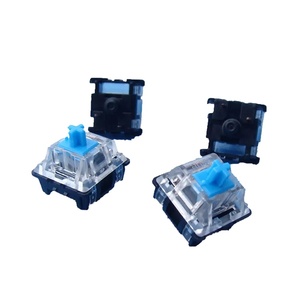
Submit detailed specifications including polling rate requirements (125Hz/250Hz/500Hz/1000Hz), preferred switch type (Omron, Kailh, etc.), case material (ABS, aluminum), and firmware logic (single-click, burst mode, delay settings). Reputable suppliers respond with schematic overviews and 3D renderings within 72 hours.





