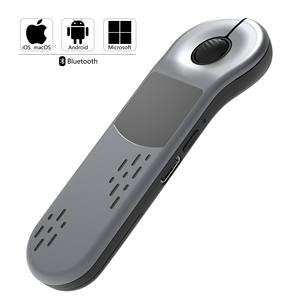
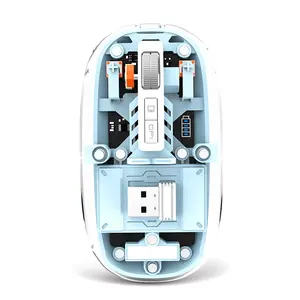
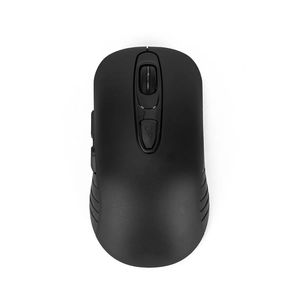
Auto Clicker Mouse Automatic Producer



 1/3
1/3












 0
0


 1/3
1/3


 1/3
1/3


 1/3
1/3



 1/3
1/3

 1/3
1/3


 1/3
1/3


 1/17
1/17

 1/3
1/3


 1/3
1/3


 1/3
1/3


 1/3
1/3


 1/1
1/1



 1/1
1/1

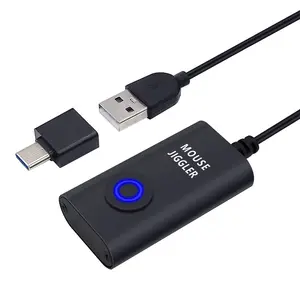



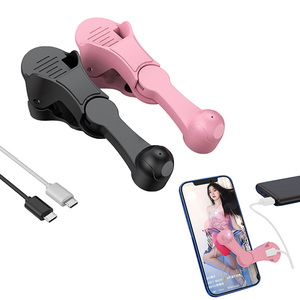
 1/3
1/3
About auto clicker mouse automatic producer
Where to Find Auto Clicker Mouse Automatic Producer Suppliers?
Manufacturing of automated input devices such as auto clicker mouse systems is primarily concentrated in China’s electronics and precision instrument hubs, particularly in Guangdong and Jiangsu provinces. These regions host dense ecosystems of microelectronics manufacturers, offering integrated production capabilities from PCB fabrication to firmware programming and final assembly. Guangdong, centered around Shenzhen, accounts for over 70% of China’s consumer electronics OEM output, supported by mature supply chains for sensors, microcontrollers, and miniature actuators.
The industrial clusters enable rapid prototyping and scalable production, with many facilities operating under ISO 9001-certified quality management systems. Vertical integration allows for reduced component lead times—often under 72 hours for critical parts like optical sensors and programmable ICs. Buyers benefit from cost efficiencies driven by localized sourcing, with production costs averaging 25–35% lower than equivalent Western or Southeast Asian suppliers. Standard order fulfillment timelines range from 20–35 days, depending on customization level and MOQ, while express sampling options can deliver prototypes within 10–14 days via air freight.
How to Choose Auto Clicker Mouse Automatic Producer Suppliers?
Prioritize the following verification criteria when evaluating potential partners:
Quality & Compliance Verification
Confirm adherence to ISO 9001 standards as a baseline for consistent manufacturing processes. For exports to the EU and North America, verify CE and RoHS compliance to ensure electromagnetic compatibility and absence of restricted substances. Request test reports for operational durability, including cycle testing (minimum 1 million clicks) and thermal stability under continuous use.
Production Capability Assessment
Evaluate supplier infrastructure based on the following benchmarks:
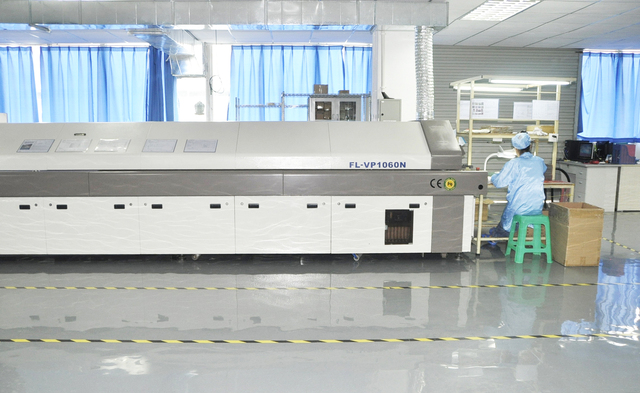
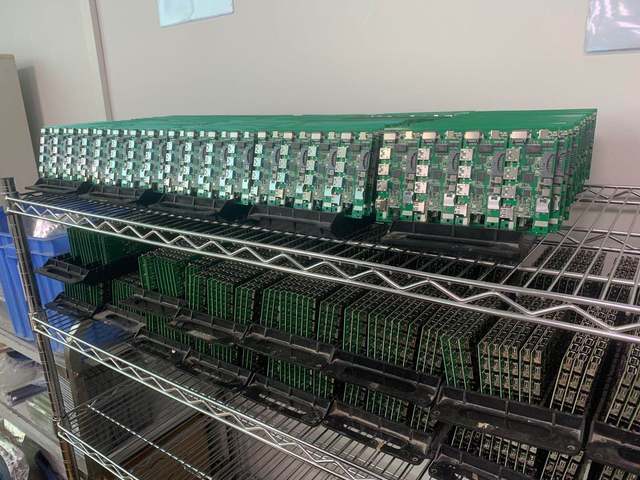
- Minimum 2,000m² factory area with dedicated clean-room assembly zones
- In-house SMT lines and firmware programming stations
- R&D teams comprising at least 8% of technical staff for customization support
Cross-reference declared production capacity with historical order data; leading suppliers report monthly outputs exceeding 50,000 units with peak scalability during high-demand cycles.
Procurement Risk Mitigation
Utilize secure transaction models such as third-party escrow or letter of credit terms until product acceptance. Review supplier performance through verifiable trade histories, focusing on dispute resolution records and post-delivery support responsiveness. Pre-shipment inspection protocols should include functional testing of click rate accuracy (±0.5ms tolerance), button lifespan validation, and EMI shielding effectiveness.
What Are the Best Auto Clicker Mouse Automatic Producer Suppliers?
| Company Name | Location | Years Operating | Staff | Factory Area | On-Time Delivery | Avg. Response | Ratings | Reorder Rate |
|---|---|---|---|---|---|---|---|---|
| Supplier data not available | ||||||||
Performance Analysis
Due to the absence of verified supplier data, procurement decisions must rely on independent audits and direct capability assessments. Historically, top-tier producers in this category distinguish themselves through low-latency firmware optimization, mechanical switch longevity, and compliance with international safety standards. Buyers should prioritize suppliers demonstrating documented experience in exporting to regulated markets and those capable of providing detailed technical documentation, including BOMs, circuit diagrams, and FCC/CE test summaries. Video-based facility walkthroughs and remote production monitoring are recommended to validate claims regarding automation levels and quality control checkpoints.
FAQs
How to verify auto clicker mouse producer reliability?
Validate certifications through official databases (e.g., SGS, TÜV) and request audit trails covering raw material sourcing, assembly line controls, and final product testing. Analyze customer feedback focused on firmware stability, hardware consistency, and responsiveness to technical inquiries.
What is the average sampling timeline?
Standard samples are typically produced within 7–12 days. Custom configurations involving unique firmware settings or ergonomic housing modifications require 15–20 days. Air shipping adds 5–8 days for international delivery.
Can suppliers ship globally?
Yes, most established producers support worldwide logistics via DDP, FOB, or CIF terms. Confirm compliance with destination regulations, especially for electronic devices subject to EMC directives or import licensing requirements in regions like the EU, UK, and Australia.
Do manufacturers provide free samples?
Sample availability depends on order intent. Suppliers often offer complimentary samples for qualified buyers committing to MOQs above 1,000 units. For evaluation purposes, expect to cover 40–60% of unit cost plus shipping, refundable upon order confirmation.
How to initiate customization requests?
Submit detailed specifications including desired click frequency (e.g., 5–20Hz), programmable functions (single/double-click toggle, hold duration), power source (USB-powered, battery-operated), and physical dimensions. Reputable producers will return engineering drawings and firmware logic proposals within 72 hours, with working prototypes ready in 3–4 weeks.





