Auto Clicker With Keyboard









 0
0





 1/24
1/24



 1/17
1/17


 0
0


 1/3
1/3




 1/3
1/3




 1/1
1/1



 1/3
1/3



 0
0

 1/11
1/11




 1/3
1/3


 1/17
1/17




 1/3
1/3



 1/3
1/3

 1/3
1/3




 1/3
1/3



 1/1
1/1


 1/3
1/3




 1/3
1/3
About auto clicker with keyboard
Where to Find Auto Clicker with Keyboard Suppliers?
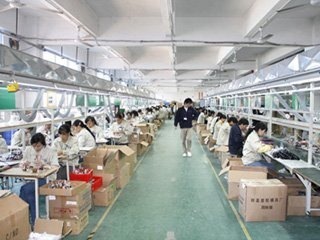
Manufacturing of auto clickers with integrated keyboards is primarily concentrated in electronics industrial hubs across southern and eastern China, particularly in Guangdong and Jiangsu provinces. These regions host dense ecosystems of OEM/ODM electronics manufacturers specializing in human interface devices (HIDs), supported by mature supply chains for microcontrollers, PCBs, and mechanical switch components. Guangdong’s Shenzhen and Dongguan zones account for over 70% of China’s HID production capacity, leveraging proximity to semiconductor suppliers and rapid prototyping services that reduce development cycles by 30–40% compared to offshore alternatives.
Vertical integration within these clusters enables streamlined production—from SMT assembly lines to final product testing—facilitating MOQs as low as 100 units and lead times averaging 25–35 days for standard configurations. Buyers benefit from localized access to tooling workshops, firmware programming stations, and EMC testing labs within a 30km radius, reducing logistical friction. Cost efficiencies stem from bulk procurement of key materials such as ABS plastic housings and Hall-effect sensors, yielding 15–25% lower unit costs versus non-specialized manufacturers. Customization flexibility extends to programmable macros, polling rates (up to 1000Hz), and ergonomic form factors tailored to gaming or industrial automation use cases.
How to Choose Auto Clicker with Keyboard Suppliers?
Implement structured evaluation criteria to mitigate sourcing risks:
Quality & Compliance Verification
Confirm adherence to ISO 9001:2015 for quality management systems. For export markets, ensure compliance with RoHS and CE directives governing electromagnetic compatibility (EMC) and hazardous substances. Request test reports for ESD protection (IEC 61000-4-2), USB signal integrity, and lifecycle durability (minimum 5 million keystrokes).
Technical Capability Assessment
Evaluate supplier infrastructure through documented benchmarks:
- Minimum 2,000m² production area with dedicated cleanroom zones for PCB assembly
- In-house firmware development team capable of custom scripting (e.g., Lua-based automation)
- Automated optical inspection (AOI) and burn-in testing stations
Validate technical claims via factory audit videos and sample performance logs under sustained load conditions.
Procurement Risk Mitigation
Utilize secure transaction models such as third-party escrow until post-delivery quality verification is complete. Review order history on B2B platforms for on-time shipment rates (target >95%) and dispute resolution responsiveness. Conduct pre-shipment sampling to validate actuation force consistency (±0.1N tolerance), debounce time (<5ms), and driver compatibility across Windows, Linux, and Android environments.
What Are the Best Auto Clicker with Keyboard Suppliers?
No verified supplier data is currently available for auto clicker with keyboard manufacturers meeting minimum transparency thresholds. Absence of disclosed certifications, facility metrics, or verifiable transaction records limits objective comparison. Procurement professionals are advised to prioritize suppliers who provide full traceability of components, publicly listed compliance documentation, and accessible customer references.
Performance Analysis
In the absence of quantifiable supplier profiles, risk exposure increases significantly. Buyers should treat all potential vendors as unproven until independent audits confirm production capability, quality control rigor, and export readiness. Prioritize engagement with manufacturers offering transparent communication channels, documented QC procedures, and willingness to undergo remote or on-site assessments before placing volume orders.
FAQs
How to verify auto clicker with keyboard supplier reliability?
Cross-validate ISO and CE certifications with issuing bodies. Require detailed factory audit reports covering incoming material inspection, solder reflow profiling, and end-of-line functional testing. Assess after-sales support efficacy through direct outreach to existing clients, focusing on firmware update responsiveness and defect resolution timelines.
What is the average sampling timeline?
Standard samples typically require 10–18 days for configuration, programming, and testing. Custom firmware or mechanical redesigns extend sampling to 25–35 days. Air freight adds 5–9 days depending on destination region. Budget additional time for customs clearance if importing into regulated markets.
Can suppliers ship globally?
Yes, qualified manufacturers offer worldwide shipping under FOB, CIF, or DDP terms. Confirm packaging standards (ESD-safe boxes, anti-static foam) and compliance with IEC 62368-1 safety requirements for IT equipment. Sea freight is optimal for containerized bulk shipments (>5,000 units), while air express serves urgent small-lot deliveries.
Do manufacturers provide free samples?
Sample policies vary. Established suppliers may absorb costs for qualified buyers committing to MOQ fulfillment. Typically, sample fees range from 1.5x to 2x retail price, offsettable against first production run invoices. NRE charges apply for custom PCB or mold modifications.
How to initiate customization requests?
Submit detailed technical briefs including desired polling rate, key matrix layout, macro programmability scope, and physical dimensions. Reputable partners respond with schematic proposals, Bill of Materials (BOM), and 3D CAD models within 72 hours. Prototype delivery follows in 3–5 weeks, inclusive of firmware validation cycles.





