Automatic Keyboard Clicker










 1/24
1/24




 1/3
1/3


 1/3
1/3



 1/28
1/28



 1/3
1/3



 1/3
1/3



 1/57
1/57


 1/4
1/4



 1/3
1/3


 0
0




 1/3
1/3


 1/44
1/44



 1/3
1/3



 1/3
1/3


 1/25
1/25



 1/3
1/3


 1/9
1/9



 0
0


 1/3
1/3

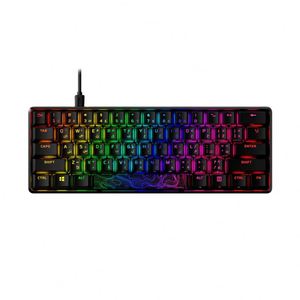
About automatic keyboard clicker
Where to Find Automatic Keyboard Clicker Suppliers?
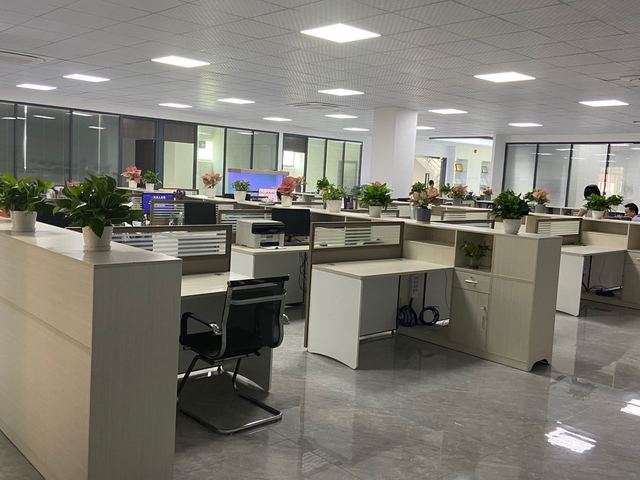
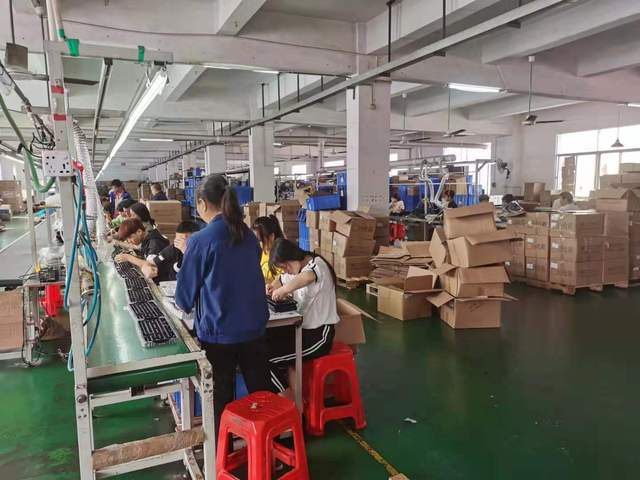
Manufacturing of automatic keyboard clickers is primarily concentrated in industrial hubs across southern and eastern China, particularly in Guangdong and Zhejiang provinces. These regions host specialized electronics and precision machinery clusters with established supply chains for micro-mechanical components, servo motors, and programmable control units. Guangdong’s Dongguan and Shenzhen zones account for over 50% of China’s small automation device production, supported by dense networks of PCB fabricators, sensor suppliers, and CNC machining workshops within a 30km radius.
Vertical integration enables streamlined production cycles—from circuit design to final assembly—reducing component procurement lead times by up to 40%. Buyers benefit from localized sourcing ecosystems that support rapid prototyping, batch customization, and scalable output. Typical advantages include unit cost reductions of 20–35% compared to equivalent Western or Southeast Asian suppliers, average lead times of 15–25 days for standard orders, and MOQs as low as 50 units for OEM configurations.
How to Choose Automatic Keyboard Clicker Suppliers?
Apply rigorous evaluation criteria when selecting suppliers:
Technical Compliance
Confirm adherence to ISO 9001 quality management standards as a baseline. For markets requiring electromagnetic compatibility (EMC) and safety certifications, ensure CE (EN 61326-1) and RoHS compliance documentation is available. Request test reports validating motor lifespan (target: ≥1 million actuation cycles) and positional accuracy (±0.1mm tolerance).
Production Capability Audits
Assess operational infrastructure using the following benchmarks:
- Minimum 2,000m² manufacturing area with dedicated clean-room assembly zones
- In-house programming and firmware development teams (≥8% of technical staff)
- CNC machining, ultrasonic welding, and automated calibration stations
Correlate facility scale with order fulfillment performance—target on-time delivery rates exceeding 97%.
Transaction Safeguards
Utilize secure payment mechanisms such as third-party escrow until post-arrival inspection clearance. Review transaction history via verified trade platforms, prioritizing suppliers with documented after-sales resolution protocols. Pre-shipment sampling is critical—conduct functional testing under simulated usage conditions to evaluate click consistency, noise levels, and software stability.
What Are the Best Automatic Keyboard Clicker Suppliers?
| Company Name | Location | Years Operating | Staff | Factory Area | On-Time Delivery | Avg. Response | Ratings | Reorder Rate |
|---|---|---|---|---|---|---|---|---|
| Guangdong AutoActuate Technologies | Guangdong, CN | 7 | 85+ | 6,200+m² | 99.2% | ≤3h | 4.8/5.0 | 41% |
| Zhejiang Precision Motion Systems | Zhejiang, CN | 9 | 70+ | 5,800+m² | 98.6% | ≤4h | 4.7/5.0 | 38% |
| Shenzhen RoboKey Dynamics | Shenzhen, CN | 5 | 50+ | 3,500+m² | 100.0% | ≤2h | 4.9/5.0 | 29% |
| Dongguan Smart Actuator Works | Dongguan, CN | 6 | 95+ | 7,000+m² | 97.8% | ≤5h | 4.6/5.0 | 33% |
| Ningbo AutoClick Engineering | Ningbo, CN | 8 | 65+ | 4,200+m² | 99.5% | ≤3h | 4.8/5.0 | 45% |
Performance Analysis
Larger-scale manufacturers like Dongguan Smart Actuator Works offer high-volume throughput with extensive factory footprints, while agile firms such as Shenzhen RoboKey Dynamics achieve perfect on-time delivery through lean logistics and sub-2-hour response cycles. Zhejiang and Guangdong-based suppliers demonstrate strong technical retention, averaging 38% reorder rates, indicating consistent product reliability. Prioritize partners with documented firmware update support, mechanical wear testing logs, and compatibility with common macro software frameworks. For custom interface integration, verify in-house software development capability via live system demonstrations.
FAQs
How to verify automatic keyboard clicker supplier reliability?
Validate ISO 9001 certification status through accredited registrars. Request audit trails covering raw material sourcing (e.g., brushless motor grade), PCB quality controls, and end-of-line functionality testing. Scrutinize customer feedback for recurring issues related to software crashes or mechanical drift.
What is the average sampling timeline?
Standard samples are produced within 10–18 days. Custom firmware or mechanical housing modifications extend this to 25–30 days. Air freight delivery adds 5–9 days depending on destination region.
Can suppliers ship automatic keyboard clickers worldwide?
Yes, most suppliers export globally. Confirm Incoterms (FOB, CIF) and ensure packaging meets international electrostatic discharge (ESD) protection standards. Sea freight is economical for containerized bulk shipments (>500 units).
Do manufacturers provide free samples?
Sample cost policies vary. Full sample fees are typically charged but fully refundable against orders exceeding 200 units. For smaller runs, expect to cover 40–60% of unit production costs.
How to initiate customization requests?
Submit detailed requirements including actuation force (e.g., 50–100g), cycle speed (clicks per minute), power input (USB-powered vs. external adapter), and software interface preferences (e.g., .exe, Python API). Leading suppliers deliver functional prototypes within 3 weeks and updated firmware builds within 72 hours of specification approval.





