Azure Sql Db

 CN
CN






 0
0






 1/3
1/3



 1/6
1/6



 0
0

 0
0




 1/3
1/3








 1/3
1/3


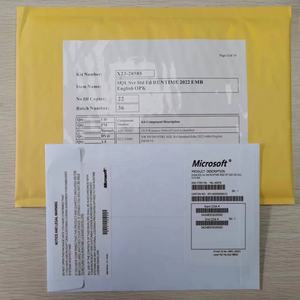


 1/2
1/2


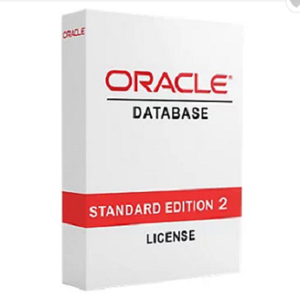
 0
0

 0
0



 1/2
1/2


 1/2
1/2








 0
0



 1/3
1/3




 0
0


 0
0
About azure sql db
Where to Find Azure SQL DB Suppliers?
Azure SQL Database is a fully managed cloud-based relational database service developed and exclusively provided by Microsoft as part of the Microsoft Azure platform. Unlike physical machinery or commoditized software products, Azure SQL DB is not manufactured or distributed through third-party suppliers or regional industrial clusters. It operates within a centralized global infrastructure, with data centers strategically located across North America, Europe, Asia-Pacific, and other key regions to ensure compliance, low latency, and high availability.
As a proprietary Platform-as-a-Service (PaaS) offering, Azure SQL DB does not have a decentralized supplier ecosystem. All provisioning, management, scalability, and security functions are controlled directly through Microsoft’s cloud environment. Buyers do not engage with independent manufacturers or sourcing agents but instead access the service via official licensing agreements, subscription models, or authorized reseller channels compliant with Microsoft's Cloud Solution Provider (CSP) program. This centralized model ensures consistent service delivery, eliminates variability in quality, and removes the need for traditional supplier qualification processes.
How to Choose Azure SQL DB Providers?
Since Azure SQL DB is a standardized cloud service, selection focuses on deployment configuration, service tier alignment, and procurement channel validation rather than supplier comparison. Key evaluation criteria include:
Service Tier Compliance
Assess workload requirements against available performance tiers—Basic, Standard, Premium, General Purpose, Business Critical, and Hyperscale. Match IOPS, compute power, storage scalability, and high-availability features to application demands. Confirm support for advanced capabilities such as automated backups, point-in-time restore, geo-replication, and threat detection.
Compliance and Certification Alignment
Verify that the Azure environment meets required regulatory standards including ISO 27001, ISO 9001, SOC 1/2, GDPR, HIPAA, FedRAMP, and PCI DSS. These certifications are uniformly applied across all regions and subscriptions, ensuring consistent governance regardless of geographic deployment.
Procurement Channel Verification
Engage only with Microsoft directly or through CSP-authorized partners who can provide transparent billing, license management, and technical onboarding. Validate partner status through Microsoft’s official partner directory. Avoid unauthorized resellers lacking audit trails or contractual accountability.
Operational Readiness Assessment
Evaluate internal or contracted team expertise in Azure resource management, T-SQL optimization, security configuration (Azure AD integration, firewall rules), and cost monitoring tools (Azure Cost Management). Consider engagement with Microsoft Professional Services or certified consultants for migration planning and performance tuning.
What Are the Best Azure SQL DB Suppliers?
There are no third-party suppliers of Azure SQL Database. The service is developed, hosted, and maintained solely by Microsoft. All instances operate under uniform architectural standards, update cycles, SLAs (typically 99.9% uptime), and security protocols defined by Microsoft. Performance, reliability, and feature parity remain consistent regardless of subscription origin.
Performance Analysis
Since there is no variation in backend implementation, differentiation occurs only in support structure, implementation expertise, and procurement terms offered by CSP partners—not in the functionality of Azure SQL DB itself. Organizations requiring customization or enterprise-scale deployments should leverage Microsoft’s dedicated account teams and FastTrack for Azure programs to optimize deployment strategies, performance tuning, and cost efficiency. For mission-critical systems, select the Business Critical or Hyperscale tier with zone redundancy and automated failover capabilities.
FAQs
How to verify Azure SQL DB provider reliability?
Reliability is inherent to the Microsoft-operated platform. Confirm subscription access through legitimate channels (direct Microsoft agreement or verified CSP partner). Review published SLAs, compliance documentation, and service health dashboards within the Azure portal.
What is the average provisioning timeline?
Azure SQL Database instances can be provisioned in under five minutes via the Azure portal, CLI, or ARM templates. Complex configurations involving VNet integration, private endpoints, or replication setups may require additional network preparation time (1–3 days).
Can Azure SQL DB be deployed globally?
Yes. Deployment is supported in over 60 Azure regions worldwide. Geo-replication and read-scale replicas enable low-latency access and disaster recovery across multiple geographic locations.
Is customization available for Azure SQL DB?
Customization is limited to configuration parameters: compute/storage scaling, auto-pause settings (in Serverless tier), backup retention, security policies, and integration with Azure Monitor, Log Analytics, and Azure DevOps pipelines. Schema design, indexing, and query optimization are user-managed.
How to initiate migration or deployment assistance?
Submit technical requirements including database size, transaction volume, availability targets, and compliance needs. Microsoft provides free assessment tools (e.g., Azure Migrate, Data Migration Assistant) and access to FastTrack engineers for eligible customers to plan and execute migrations from on-premises SQL Server or other cloud databases.





