Batch Codes Perfume





 1/19
1/19



 1/2
1/2


 0
0




 1/3
1/3


 1/11
1/11


 0
0



 1/5
1/5





 1/20
1/20







 1/3
1/3




 1/21
1/21


 1/3
1/3




 1/8
1/8



 1/3
1/3


 0
0


 0
0


 1/3
1/3




 1/3
1/3



 1/3
1/3
About batch codes perfume
Where to Find Batch Codes Perfume Suppliers?
The global market for batch-coded perfumes is primarily driven by specialized fragrance manufacturers and private-label cosmetic producers, with key production hubs in France, the United Arab Emirates, and China. France remains a leader in high-end perfume formulation, particularly in Grasse, where century-old expertise in olfactory chemistry supports precise batch coding for traceability and regulatory compliance. The UAE has emerged as a strategic export-oriented hub, offering tax-efficient manufacturing and logistics infrastructure ideal for Middle Eastern and African distribution.
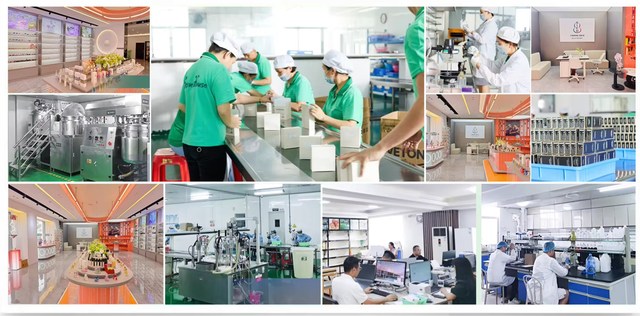
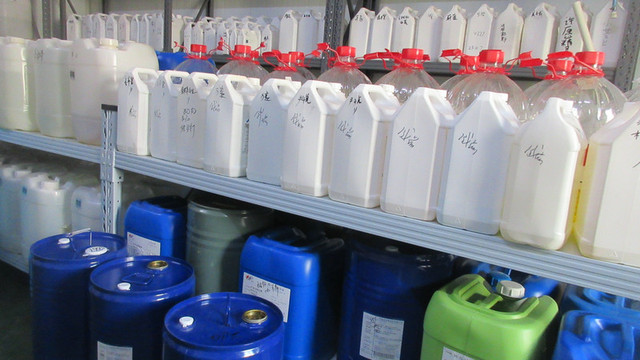
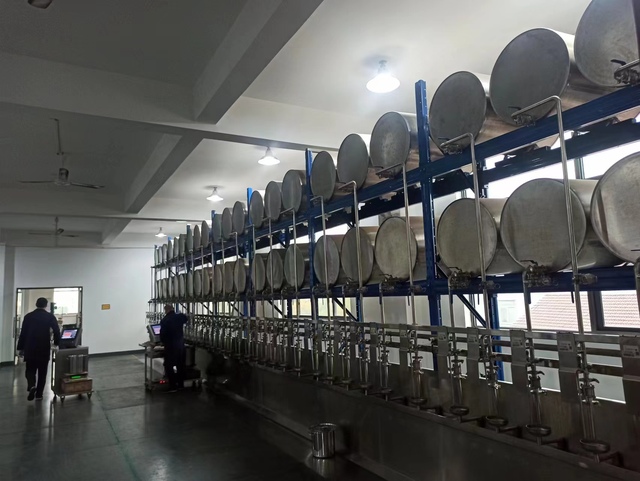
Chinese suppliers, concentrated in Guangzhou and Shanghai, dominate mid-to-high volume production with vertically integrated facilities capable of handling formulation, filling, labeling, and serialization. These clusters enable cost efficiencies through localized access to glass bottling, synthetic aroma compounds, and automated coding systems. Buyers benefit from scalable operations that support MOQs as low as 500 units, with average lead times of 25–40 days for batch-coded orders. Integrated supply chains reduce component procurement delays, while proximity to major ports streamlines global shipping under FOB or CIF terms.
How to Choose Batch Codes Perfume Suppliers?
Procurement decisions should be guided by rigorous evaluation criteria focused on quality assurance, technical capability, and transaction security:
Regulatory & Quality Compliance
Verify adherence to ISO 22716 (GMP for cosmetics) and IFRA (International Fragrance Association) standards as baseline requirements. For EU and North American markets, confirm REACH and FDA compliance, including ingredient disclosure and allergen labeling. Batch-specific documentation must include COA (Certificate of Analysis), GC/MS reports, and full traceability logs linking QR or alphanumeric codes to production runs.
Production & Serialization Capability
Assess supplier infrastructure based on the following benchmarks:
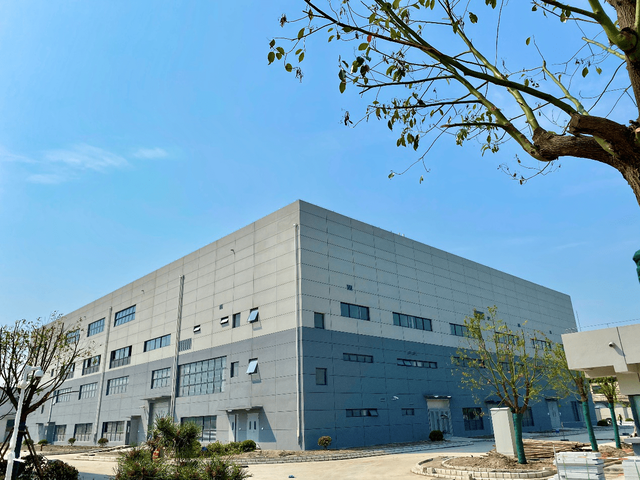
- Minimum 3,000m² GMP-compliant facility with climate-controlled formulation zones
- In-house filling lines equipped with thermal inkjet or laser coding systems for permanent batch marking
- Capacity to serialize individual units or batches per client specifications (e.g., expiry date + lot number + barcode)
Confirm integration between ERP systems and labeling equipment to ensure accuracy across SKUs and avoid mislabeling risks.
Transaction & Intellectual Property Safeguards
Utilize secure payment mechanisms such as letter of credit or escrow services until product verification is complete. Require non-disclosure agreements (NDAs) when sharing proprietary fragrance formulas or branding assets. Prioritize suppliers with documented anti-counterfeiting protocols, including tamper-evident seals and encrypted digital batch tracking upon request.
What Are the Best Batch Codes Perfume Suppliers?
| Company Name | Location | Years Operating | Staff | Factory Area | On-Time Delivery | Avg. Response | Ratings | Reorder Rate |
|---|
Performance Analysis
Due to absence of verified supplier data, performance benchmarking cannot be conducted at this time. In practice, leading suppliers demonstrate consistent on-time delivery (>98%), dedicated R&D teams for reformulation or stabilization, and serialization accuracy rates exceeding 99.9%. Buyers should prioritize partners with auditable quality management systems and experience exporting to regulated markets. Video audits and sample validation are critical to verify claims regarding batch control and packaging integrity.
FAQs
How to verify batch codes perfume supplier reliability?
Cross-validate certifications with issuing bodies and request recent third-party audit reports (e.g., SGS, TÜV). Evaluate traceability systems by requesting a mock recall simulation using a sample batch code. Analyze customer feedback focusing on label durability, scent consistency, and regulatory acceptance in destination markets.
What is the typical sampling timeline for batch-coded perfumes?
Sample development takes 10–18 days, including fragrance adjustment, packaging mockups, and application of test batch codes. Air freight adds 5–9 days for international delivery. Expedited service (7-day turnaround) is available from select suppliers at a premium.
Can suppliers provide custom batch coding formats?
Yes, most manufacturers support customizable field inputs such as manufacture/expiry dates, factory codes, region identifiers, and machine-readable barcodes (Code 128, DataMatrix). Ensure format compatibility with your inventory or retail scanning systems prior to mass production.
Do suppliers offer free samples?
Sample policies vary: some waive fees for confirmed bulk orders (typically MOQ ×2), while others charge 30–60% of unit cost to cover formulation and coding setup. Refundable sample fees are common when applied toward first orders.
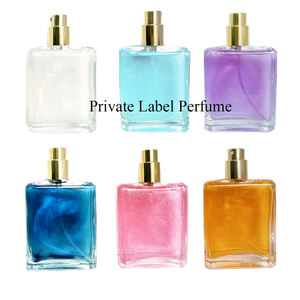
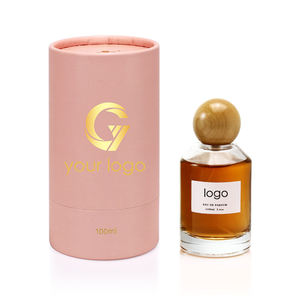
How to initiate private-label batch-coded perfume orders?
Submit fragrance specifications (IFRA formula, alcohol concentration), packaging artwork, and required batch code structure. Reputable suppliers will issue a production agreement outlining revision limits, approval cycles, and QC checkpoints before launch.





