Bi Open Source














 1/2
1/2





 1/32
1/32












 1/19
1/19


















 CN
CN



 1/6
CN
1/6
CN


 1/2
1/2










 1/2
1/2











About bi open source
Where to Find BI Open Source Software Suppliers?
The global market for business intelligence (BI) open source software is increasingly concentrated in technology hubs across China and Southeast Asia, where specialized development firms leverage agile methodologies and cost-efficient talent pools. Key suppliers are located in Guangdong, Jiangsu, and Hanoi, benefiting from mature IT ecosystems that support rapid deployment of customizable analytics platforms. These regions host a high density of software engineering talent, with access to full-stack developers proficient in Python, Java, and cloud-native frameworks like Kubernetes and Docker.
Suppliers in these clusters operate within integrated development environments that combine offshore outsourcing capabilities with productized software offerings. This dual model enables scalability—from standardized BI tools to fully customized enterprise solutions—while maintaining competitive pricing structures. Buyers benefit from streamlined communication channels, sub-5-hour average response times, and flexible engagement models including SaaS licensing, one-time purchases, and white-label development. The proximity of technical resources allows for faster iteration cycles, with typical delivery windows ranging from 4 to 12 weeks depending on customization scope.
How to Choose BI Open Source Software Suppliers?
Procurement decisions should be guided by structured evaluation criteria focused on technical capability, service reliability, and transactional transparency:
Technical Expertise Validation
Confirm proficiency in core BI technologies such as data warehousing, ETL pipelines, dashboarding engines (e.g., React-based UIs), and API integrations. Prioritize suppliers offering demonstrable open-source contributions or modular codebases compatible with PostgreSQL, MySQL, and cloud databases. For enterprise deployments, verify support for role-based access control, audit logging, and encryption at rest and in transit.
Development Capacity Assessment
Evaluate supplier infrastructure through verifiable indicators:
- Dedicated R&D teams with documented project portfolios
- On-time delivery rates exceeding 95%
- Response time under 3 hours for initial inquiries
Cross-reference product listings with minimum order value trends—suppliers quoting over $5,000 typically handle complex implementations requiring multi-tier architecture planning.
Transaction Security Protocols
Utilize escrow-based payment systems to mitigate risk during development phases. Require milestone-based disbursements tied to deliverables such as system design documentation, test environment provisioning, and user acceptance testing. Analyze reorder rates and online revenue metrics where available—repeat business (>20%) signals customer satisfaction and long-term support viability.
What Are the Best BI Open Source Software Suppliers?
| Company Name | Location | Years Operating | Staff | Main Products | On-Time Delivery | Avg. Response | Online Revenue | Reorder Rate |
|---|---|---|---|---|---|---|---|---|
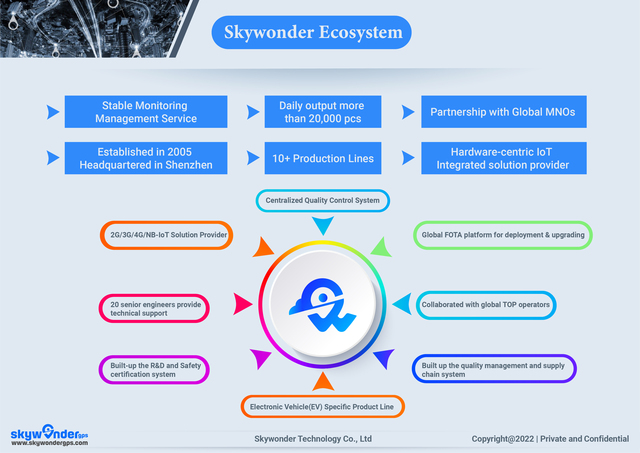
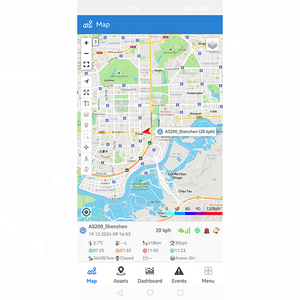
| Huizhou Skywonder Technology Co., Ltd. | Guangdong, CN | Data Unavailable | Data Unavailable | GPS Tracker, Navigation & GPS, Pet Tracker | 93% | ≤3h | US $10,000+ | 34% |
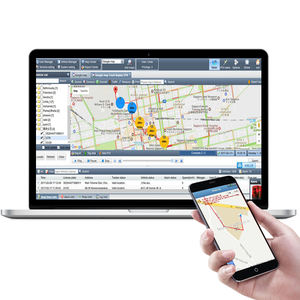
| Shenzhen Trackpro Electronic Technology Co., Ltd. | Guangdong, CN | Data Unavailable | Data Unavailable | GPS Tracker, Software, Diagnostic Tools | 100% | ≤5h | US $30,000+ | <15% |
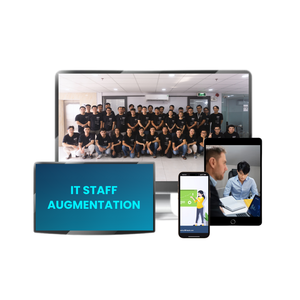
| STEPMEDIA SOFTWARE VIET NAM COMPANY LIMITED | Hanoi, VN | Data Unavailable | Data Unavailable | Enterprise Management Software, Offshore Development | - | ≤2h | - | - |
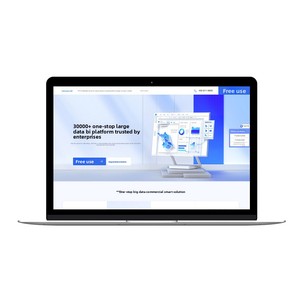
| Koma Technology (Jiangsu) Co., Ltd. | Jiangsu, CN | Data Unavailable | Data Unavailable | FineReport Platform, Cloud Architecture, Risk Systems | 100% | ≤1h | - | - |
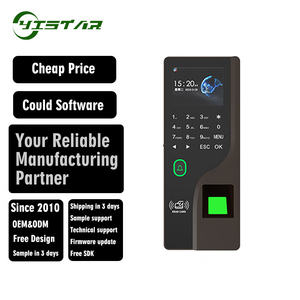
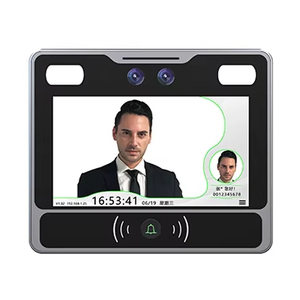
| Chongqing Huifan Technology Co., Ltd. | Chongqing, CN | Data Unavailable | Data Unavailable | Biometric Fingerprint Systems, Linux SDKs | 99% | ≤2h | US $230,000+ | 22% |
Performance Analysis
Shenzhen Trackpro and Koma Technology demonstrate strong execution consistency with 100% on-time delivery, indicating reliable project management processes. Chongqing Huifan stands out for after-sales engagement, reflected in its 22% reorder rate and rapid ≤2h response time. Huizhou Skywonder achieves a balanced performance with above-average repeat purchase behavior (34%), suggesting effective client retention strategies despite moderate delivery performance. STEPMEDIA’s lack of public transaction metrics is offset by ultra-fast responsiveness, positioning it as a viable option for buyers prioritizing communication agility over historical data. Suppliers with higher online revenues (>$30,000) tend to offer more scalable architectures suitable for mid-to-large enterprises.
FAQs
How to verify BI open source software supplier reliability?
Cross-check technical claims with functional demos or sandbox environments. Request access to GitHub repositories or version-controlled code samples to assess coding standards and documentation quality. Validate company registration details and review third-party transaction records where accessible.
What is the typical lead time for custom BI software development?
Standard implementation timelines range from 4 to 8 weeks for basic dashboards and reporting modules. Fully integrated systems involving real-time data streaming, AI-driven forecasting, or ERP integration require 10–14 weeks. Express delivery options may reduce timelines by 20–30% with premium fees.
Can suppliers provide open-source licensed software?
Yes, many suppliers deliver codebases under permissive licenses such as MIT or Apache 2.0, allowing redistribution and modification. Clarify license terms upfront to ensure compliance with internal governance policies. Some vendors offer hybrid models combining proprietary frontends with open-source backend components.
Do suppliers support post-deployment maintenance?
Maintenance agreements vary. Reputable providers offer tiered support packages including bug fixes, updates, and performance tuning. Confirm SLAs covering response windows (e.g., 24/7 vs. business hours) and escalation procedures before contract finalization.
What are common MOQs and pricing models?
Entry-level software licenses start at $2 per unit with minimum orders of 1–2 units. Enterprise-grade solutions begin at $3,000–$5,000 per deployment, often sold as one-time perpetual licenses or annual subscriptions. Custom development projects typically require minimum investments of $5,000–$50,000 depending on complexity.





