Body Bmi Visualizer





 1/15
1/15

















 1/44
1/44




 1/25
1/25



 1/25
1/25


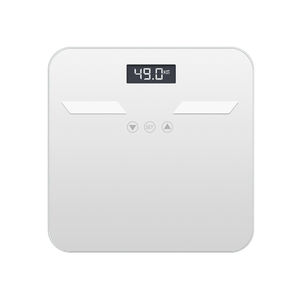
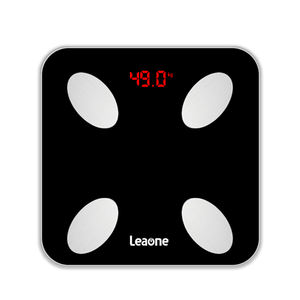
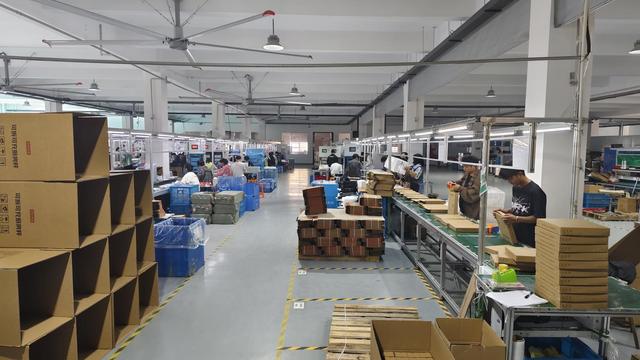

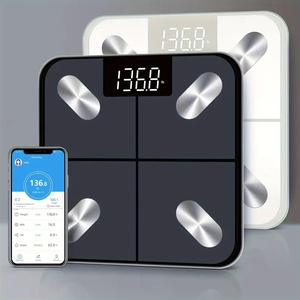


 1/3
1/3


 0
0



 1/43
1/43

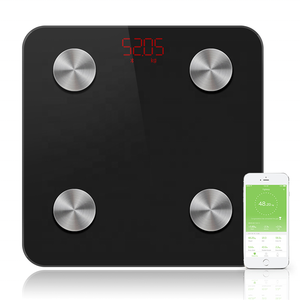
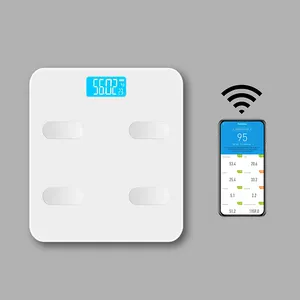

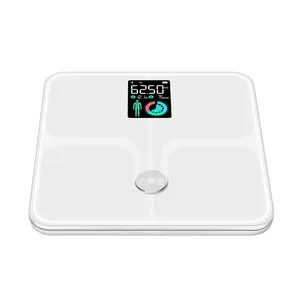
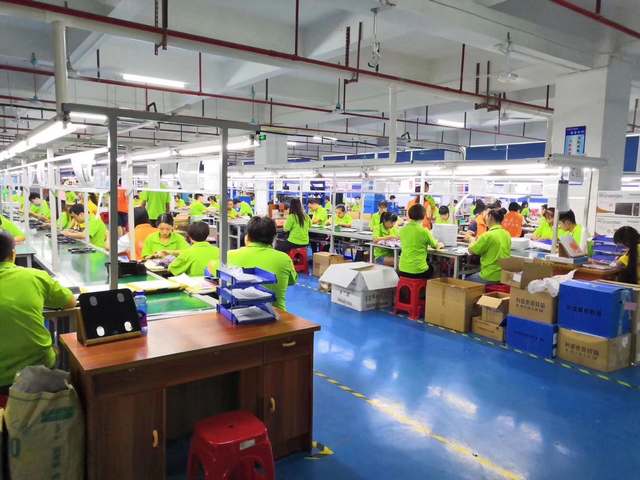 1/3
1/3




 1/30
1/30


 1/25
1/25




 1/3
1/3


 1/3
1/3


 1/16
1/16


 1/3
1/3




 1/3
1/3




 1/29
1/29



 1/3
1/3
About body bmi visualizer
Where to Find Body BMI Visualizer Suppliers?
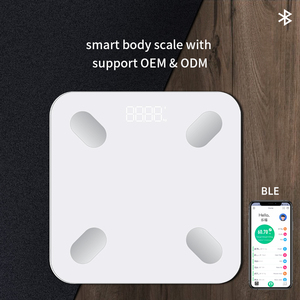
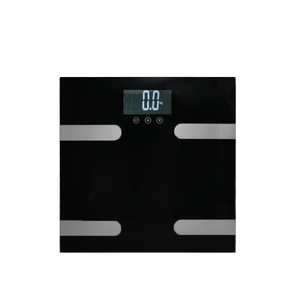
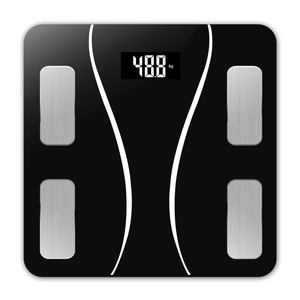
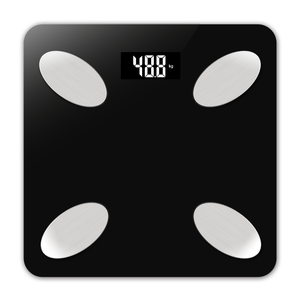
Manufacturing of body BMI visualizers is primarily concentrated in East Asia, with China leading production due to its advanced electronics and medical device ecosystems. Key industrial hubs in Guangdong and Zhejiang provinces host specialized suppliers integrating hardware engineering, software development, and human-computer interface design. These regions benefit from mature supply chains for sensors, display modules, and microcontrollers, enabling rapid prototyping and scalable production.
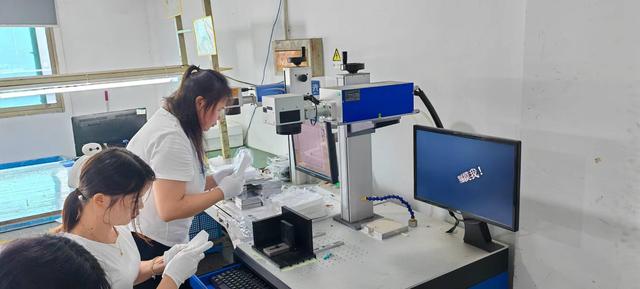
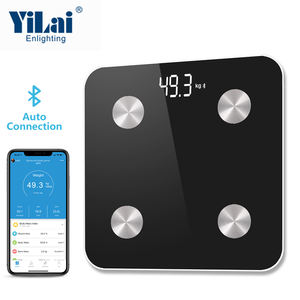
Clusters in Shenzhen (Guangdong) and Hangzhou (Zhejiang) offer integrated manufacturing solutions, combining PCB assembly, firmware programming, and ergonomic casing production within compact geographic zones. This vertical integration reduces component procurement lead times by 25–40% compared to decentralized models. Suppliers in these areas typically support both standalone BMI measurement devices and cloud-connected systems with mobile app synchronization, catering to fitness centers, clinics, and consumer electronics brands. Average production lead times range from 20–35 days for batch orders, with MOQs varying between 100–500 units depending on feature complexity.
How to Choose Body BMI Visualizer Suppliers?
Procurement decisions should be guided by rigorous evaluation criteria to ensure technical reliability and compliance:
Technical Compliance
Confirm adherence to international standards including ISO 13485 for medical device quality management and IEC 60601-1 for electrical safety if intended for clinical use. For general wellness applications, verify RoHS and CE conformity to ensure electromagnetic compatibility and restricted substance compliance. Request validation reports for sensor accuracy—particularly bioelectrical impedance analysis (BIA) modules—tested against reference methods per ASTM F2946-12.
Production Capability Audits
Assess operational infrastructure using the following benchmarks:
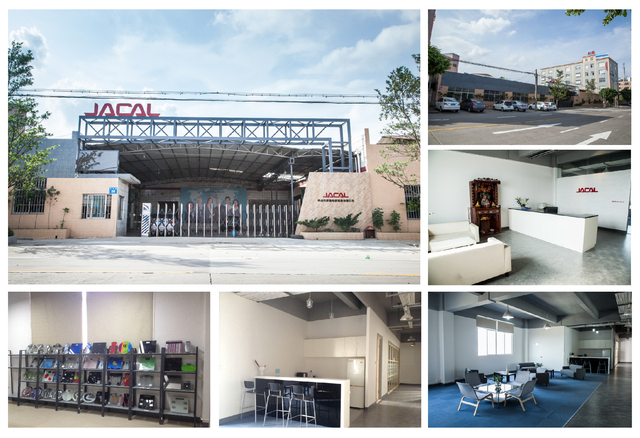
- Minimum 2,000m² production area with ESD-protected assembly lines
- In-house software development team for UI/UX customization and firmware updates
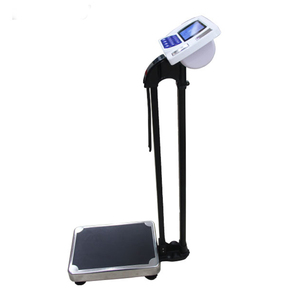
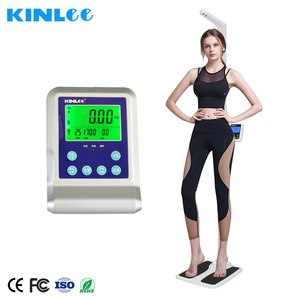
- Automated calibration stations for weight, height, and impedance sensors
Validate process control through SPC data logs and first-article inspection reports. Target suppliers with documented defect rates below 0.8% and traceability systems covering lot-level component tracking.
Transaction Safeguards
Implement secure payment terms such as letter of credit or escrow release upon third-party inspection. Prioritize partners with export experience to your target market, particularly those familiar with FDA registration requirements (for U.S. imports) or EU MDR classification rules for wellness devices. Conduct pre-shipment audits using AQL Level II sampling (MIL-STD-1916) to verify functional performance across critical parameters: BMI calculation accuracy, touchscreen responsiveness, and wireless data transmission stability.
What Are the Best Body BMI Visualizer Suppliers?
No supplier data available for body BMI visualizer manufacturers at this time.
Performance Analysis
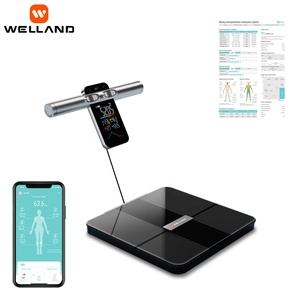
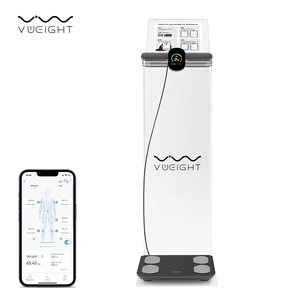
In absence of specific supplier profiles, buyers should focus on identifying manufacturers with demonstrated experience in health monitoring equipment. Preference should be given to firms offering dual-mode output (local display + API integration), modular design for branding flexibility, and compliance documentation readily accessible. Evaluate responsiveness through technical inquiry testing—leading suppliers typically provide detailed specifications, test protocols, and prototype timelines within 24 hours.
FAQs
How to verify body BMI visualizer supplier reliability?
Request copies of valid certifications and cross-validate with issuing bodies. Obtain references from existing clients in similar distribution channels (e.g., gym equipment OEMs or telehealth providers). Conduct remote factory audits via live video tour focusing on calibration procedures, inventory management, and final product testing stations.
What is the average sampling timeline?
Standard sample production takes 12–18 days, including firmware configuration and cosmetic finishing. Custom UI designs or Bluetooth/Wi-Fi integration may extend development to 25 days. Air freight delivery adds 5–9 days depending on destination region.
Can suppliers ship body BMI visualizers worldwide?
Yes, experienced exporters manage international logistics under FOB, CIF, or DDP terms. Confirm packaging compliance with ISTA 3A standards for electronic goods and verify inclusion of required power adapters and multilingual labeling. Sea freight is recommended for container loads exceeding 500 units to optimize per-unit shipping costs.
Do manufacturers provide free samples?
Sample policies vary by order volume. Many suppliers refund sample fees upon confirmation of full production runs (typically 500+ units). For evaluation-only requests, expect charges covering 40–60% of unit cost, excluding shipping.
How to initiate customization requests?
Submit detailed requirements including desired form factor, connectivity options (Wi-Fi/Bluetooth/NFC), language support, and brand assets for screen layout personalization. Reputable manufacturers respond with feasibility assessments, schematic mockups, and non-recurring engineering (NRE) cost estimates within 72 hours.





