Braid By Braid





 0
0


 0
0




 1/9
1/9


 1/10
1/10




 1/3
1/3


 1/3
1/3


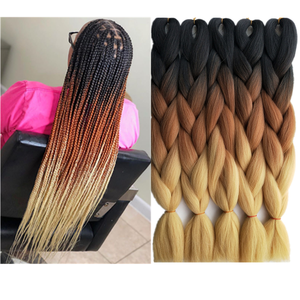

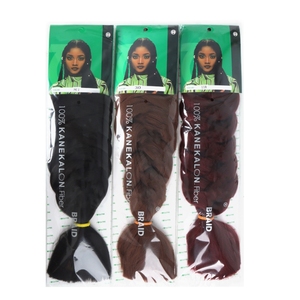
 1/1
1/1

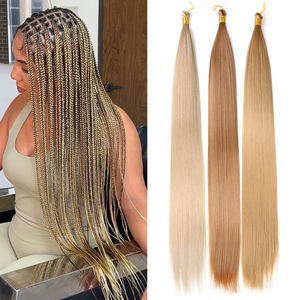
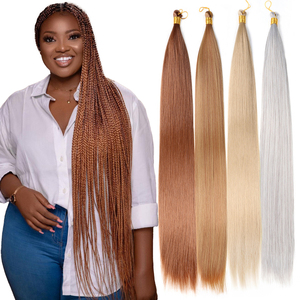


 1/15
1/15






 1/3
1/3



 1/3
1/3


 0
0


 1/3
1/3




 0
0


 0
0


 0
0


 0
0




 1/13
1/13



 1/3
1/3
About braid by braid
Where to Find Braid by Braid Suppliers?
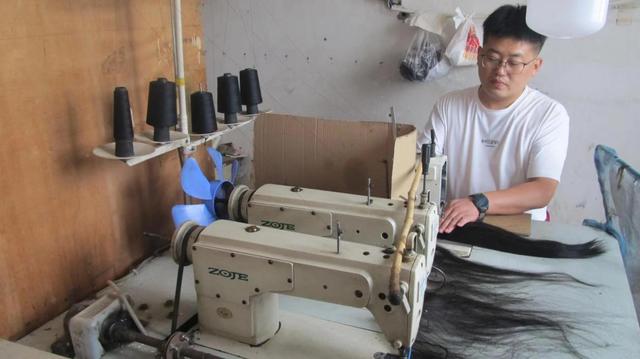
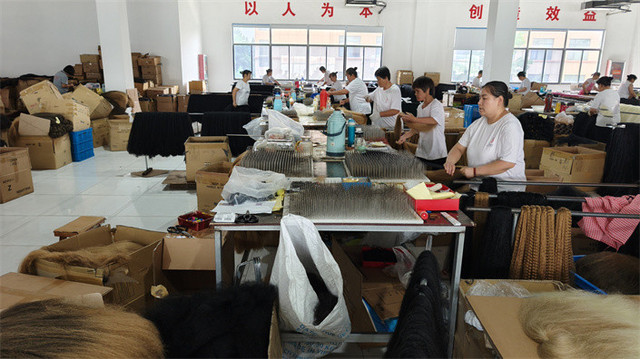
The global market for braid-by-braid hair extension manufacturing is highly decentralized, with no dominant industrial clusters comparable to heavy machinery hubs. Unlike vertically integrated sectors, production is fragmented across small-to-midsize workshops in South Asia, Eastern Europe, and Southeast Asia, where labor-intensive craftsmanship remains central to output. These regions leverage lower labor costs and specialized manual techniques for hand-tied wefts, individual braiding, and lace base construction.
However, the absence of concentrated supply ecosystems results in limited economies of scale. Most facilities operate below 1,000m², relying on outsourced raw materials—primarily human hair from India, Vietnam, and Russia—and third-party packaging services. Lead times vary significantly, ranging from 20 to 60 days depending on customization level and material sourcing cycles. Buyers face challenges in standardization, as quality consistency depends heavily on artisan skill rather than automated process controls. Despite cost advantages (15–35% lower unit prices versus Western producers), scalability remains constrained without formalized supply chain integration.
How to Choose Braid by Braid Suppliers?
Given the lack of verifiable supplier data, due diligence must focus on qualitative verification and risk mitigation:
Material Sourcing Transparency
Require documented traceability for human hair inputs, including country of origin, chemical treatment history, and Remy status verification. Non-Remy or recycled hair degrades faster and carries higher contamination risks. Confirm whether suppliers use acid or alkaline processes for cuticle alignment, as improper handling reduces lifespan by up to 50%.
Production Capability Assessment
Evaluate operational capacity through direct inquiry and visual audits:
- Minimum 30 skilled artisans for consistent batch production
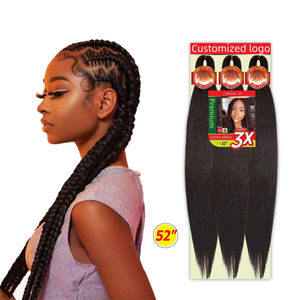
- Dedicated workstations for braid types (e.g., box braids, cornrows, knotless)
- In-house dyeing and sterilization capabilities
Request time-stamped video demonstrations of braid assembly to verify manual precision and workflow organization.
Quality Management & Transaction Security
While ISO certification is rare in this segment, prioritize suppliers who implement internal quality checklists at key stages: hair sorting, tension calibration, knot security, and final inspection. Use secure payment methods with milestone releases tied to sample approval. Conduct blind testing on initial batches for shedding rate (acceptable: <5% under comb test) and colorfastness after three wash cycles. Avoid full prepayments; a 30–50% deposit structure is standard for new partnerships.
What Are the Best Braid by Braid Suppliers?
No verified supplier data is currently available for braid-by-braid manufacturers. The absence of structured company profiles—including facility size, years in operation, delivery performance, or customer ratings—limits objective comparison. Market entry barriers are low, resulting in high supplier turnover and inconsistent service levels. Without published metrics on reorder rates, response times, or compliance certifications, procurement decisions rely heavily on direct engagement, sample evaluation, and peer referrals within professional beauty networks.
Performance Analysis
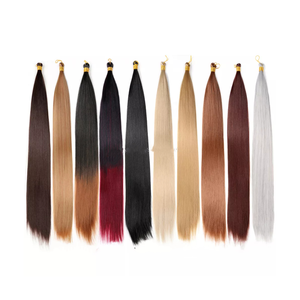
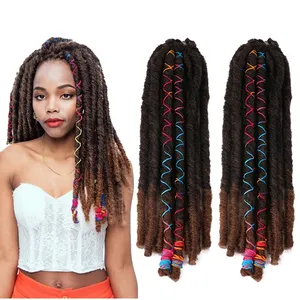
In the absence of quantifiable benchmarks, differentiation emerges through responsiveness and customization agility. Suppliers capable of producing diverse braid styles (e.g., faux locs, goddess braids, micro-braids) with flexible MOQs (as low as 10 units) often serve niche salon clients more effectively than bulk-focused vendors. However, lead time reliability and long-term durability remain unverified across the sector. Buyers should treat initial orders as qualification trials, assessing not only product quality but also communication consistency and problem resolution speed before scaling procurement.
FAQs
How to verify braid by braid supplier reliability?
Conduct virtual factory tours to observe workspace hygiene, inventory management, and worker training. Request client references from buyers in similar markets and review social media portfolios for pattern consistency. Third-party inspection services can validate claims if physical audits are not feasible.
What is the average sampling timeline?
Custom samples typically require 10–21 days for design finalization and production, depending on complexity. Standard styles may be delivered in 7–14 days. Add 5–12 days for international shipping via express courier.
Can suppliers ship worldwide?
Yes, most suppliers offer international shipping through courier partners or freight forwarders. Confirm Incoterms (FOB, DDP) early to avoid customs delays. Be aware that import regulations on human hair products vary by country—some require sterilization certificates or labeling compliance.
Do manufacturers provide free samples?
Free samples are uncommon. Most suppliers charge a nominal fee (USD 15–50) recoverable against future orders. Full-cost recovery applies for custom designs requiring unique materials or tooling.
How to initiate customization requests?
Submit detailed specifications including braid type, length, thickness, color code (with swatch reference), base construction (lace, closure, frontal), and desired density. Reputable suppliers respond with digital mockups or prototype images within 48–72 hours.





