



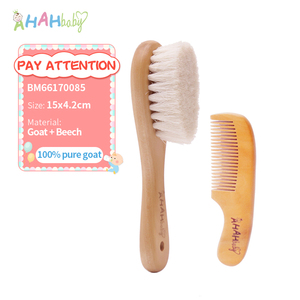
Bulk Combs And Brushes







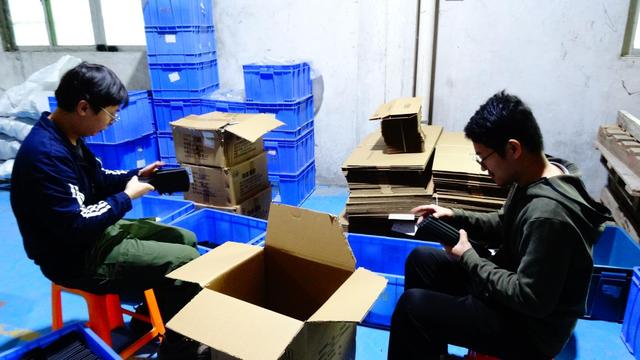

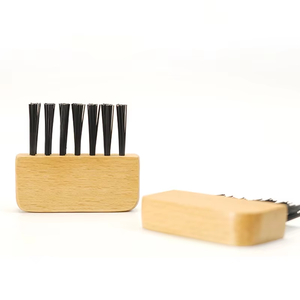


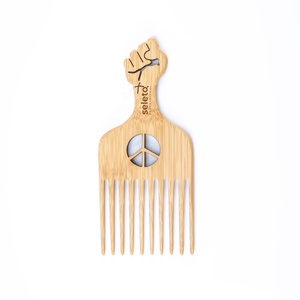








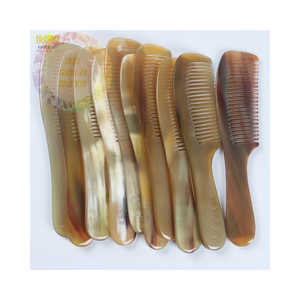
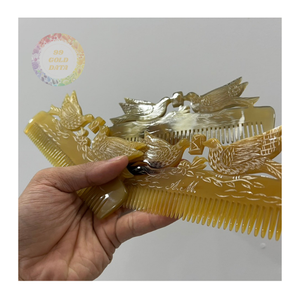
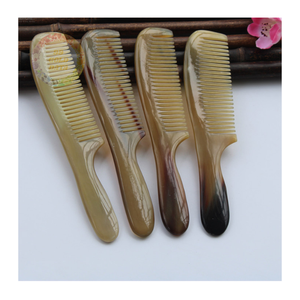

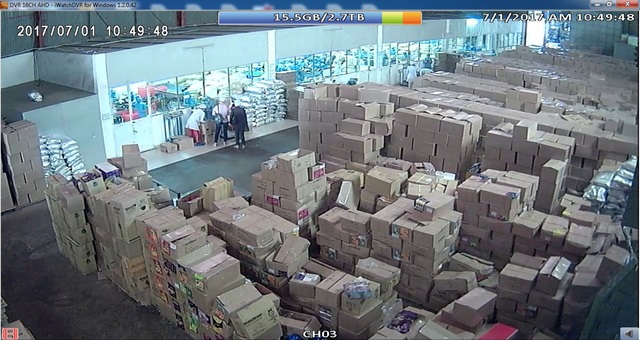


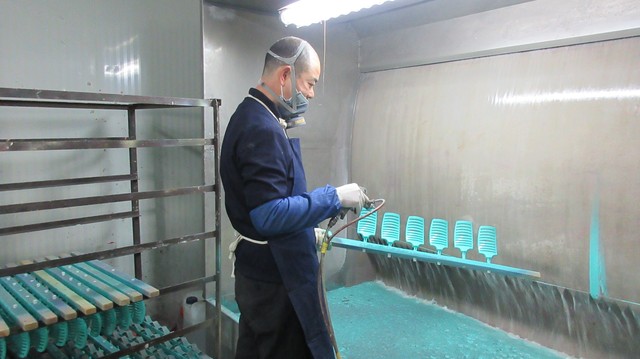

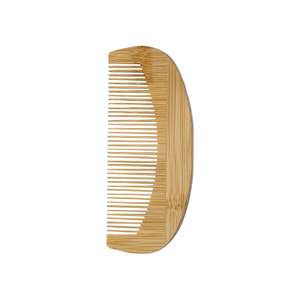

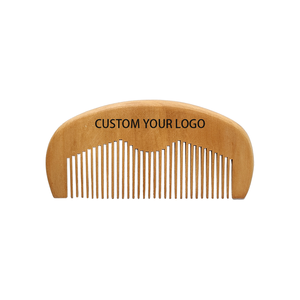
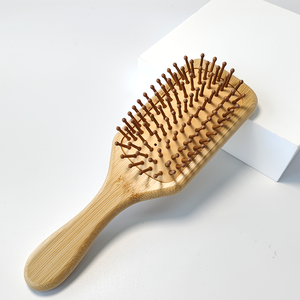
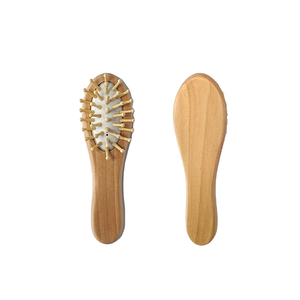





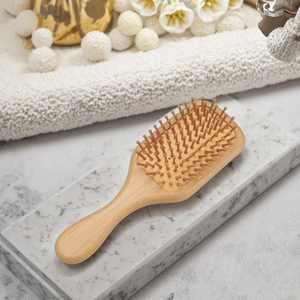
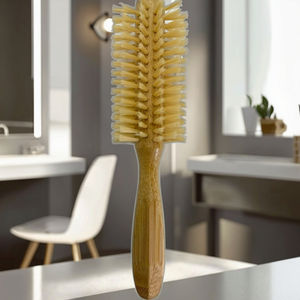
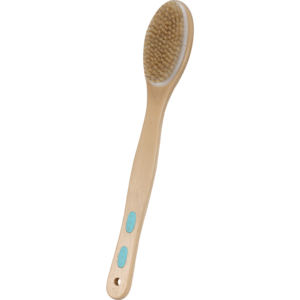





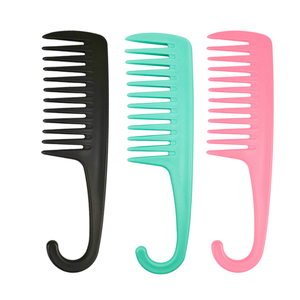

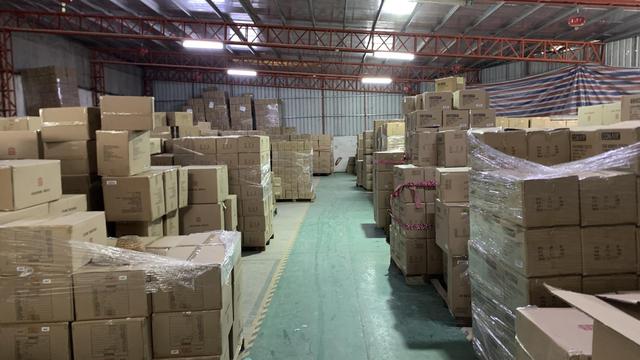





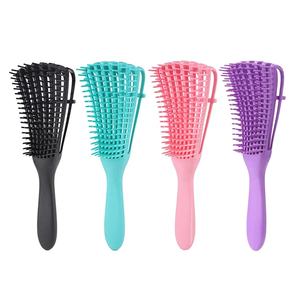
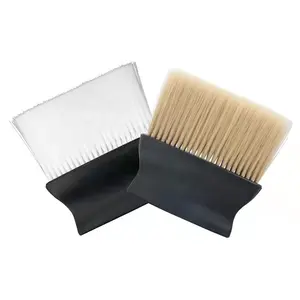


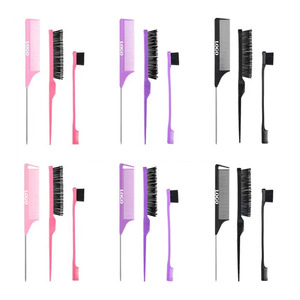
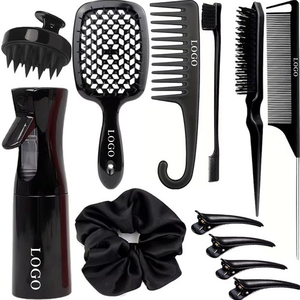
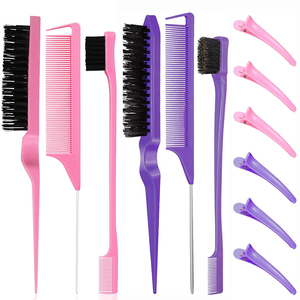











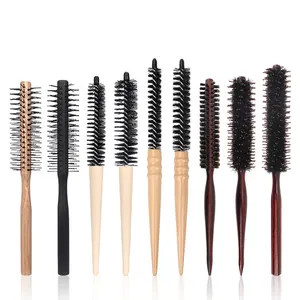
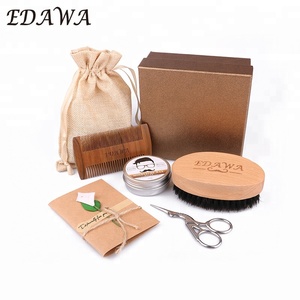

About bulk combs and brushes
Where to Find Bulk Combs and Brushes Suppliers?
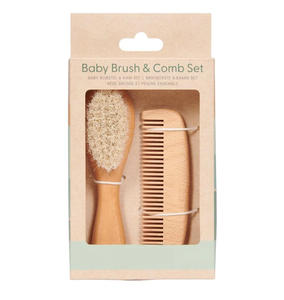
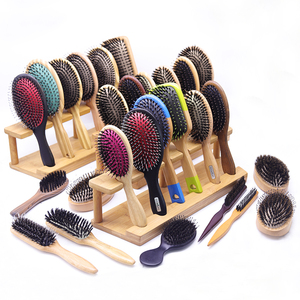
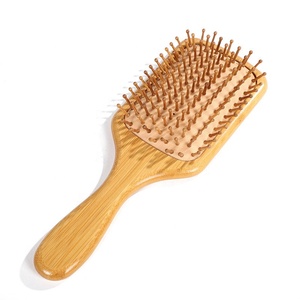
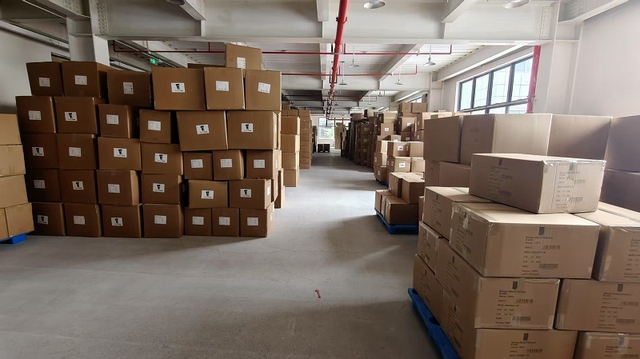
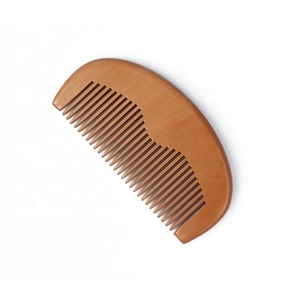
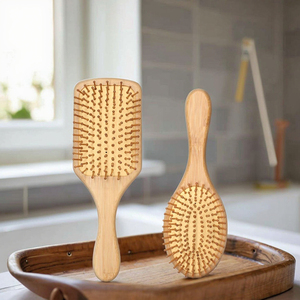
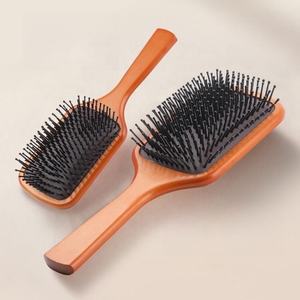
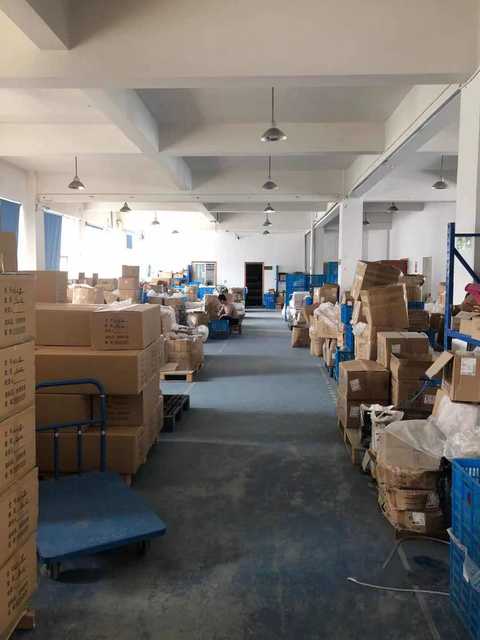
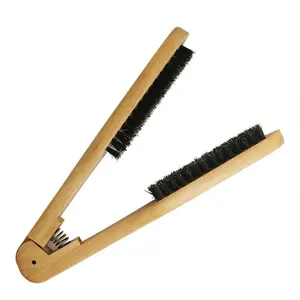
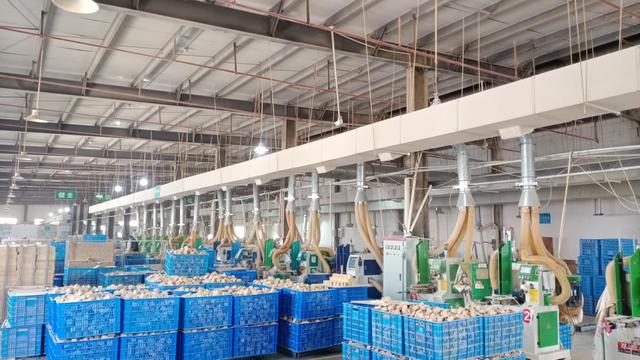
China remains the dominant hub for bulk combs and brushes manufacturing, with key production clusters in Guangdong and Zhejiang provinces. These regions host vertically integrated supply chains specializing in hair care tools made from materials such as bamboo, beech wood, plastic, and boar bristle. Guangzhou-based manufacturers focus on eco-friendly wooden combs and detangling brushes, leveraging proximity to raw material sources and specialized finishing facilities. Yiwu and Ningbo suppliers emphasize high-volume plastic and compact brush production, supported by automated molding lines and packaging systems optimized for export logistics.
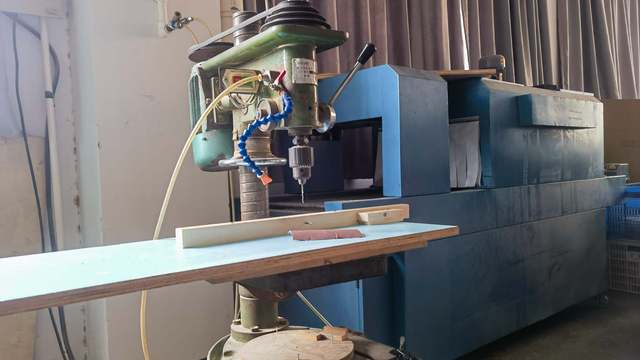
The industrial ecosystem enables competitive pricing and scalability, with many factories operating dedicated assembly lines for both mass-market and custom-designed products. Average unit costs range from $0.20 to $5.73 depending on material complexity and order volume. Buyers benefit from consolidated supplier networks where design, molding, engraving, labeling, and packaging services are available under one roof, reducing lead times and coordination overhead. Monthly output capacity among mid-tier suppliers typically exceeds 100,000 units, supporting large-scale retail or promotional distribution needs.
How to Choose Bulk Combs and Brushes Suppliers?
Procurement decisions should be guided by structured evaluation criteria to ensure product quality, reliability, and compliance:
Production and Customization Capabilities
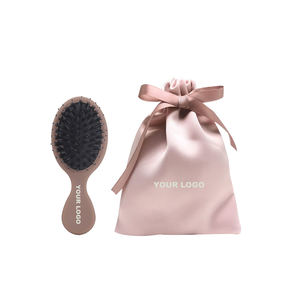
Assess whether suppliers offer required customization options including logo engraving, color variation, material selection (e.g., natural wood, anti-static plastic), bristle type, packaging style, and graphic design support. Factories with in-house tooling and printing equipment can accommodate low-MOQ custom runs more efficiently. Prioritize partners advertising flexibility in minimum order quantities (MOQs), especially those offering batches below 1,000 pieces for sample validation.
Quality Control and Operational Metrics
Evaluate performance indicators such as on-time delivery rate (target ≥95%), response time (ideally ≤4 hours), and reorder rate as proxies for operational stability. Suppliers with verified online transaction histories exceeding US $100,000 demonstrate consistent export experience. While formal certifications like ISO 9001 or BSCI are not explicitly listed in available data, consistent delivery performance and responsive communication suggest established internal quality management systems.
Transaction Security and Sampling Protocols
Utilize secure payment methods with escrow functionality to mitigate risk during initial transactions. Request physical samples before full production to verify material integrity, structural durability, and finish quality—particularly critical for wooden or fine-toothed combs prone to splintering. Confirm that suppliers provide digital mockups or silk-screen proofs for branded items prior to production launch.
What Are the Best Bulk Combs and Brushes Suppliers?
| Company Name | Location | Main Materials | Min. Order Quantity | Price Range (USD) | On-Time Delivery | Avg. Response | Online Revenue | Reorder Rate |
|---|---|---|---|---|---|---|---|---|
| Guangzhou Mackay Hair Tools Products Co., Ltd. | Guangdong, CN | Bamboo, Plastic, Kawaii Design | 500–600 pcs | $0.24–5.73 | 98% | ≤4h | US $100,000+ | 19% |
| Yiwu Rongteng Import And Export Co., Ltd. | Zhejiang, CN | Beech Wood, Boar Bristle, Plastic | 10–2000 pcs | $0.43–3.37 | 92% | ≤3h | US $290,000+ | <15% |
| Guangzhou Seleto Beauty Hair Tools Co., Ltd. | Guangdong, CN | Plastic, Bamboo, Afro Picks | 1000–2400 pcs | $0.20–2.14 | 71% | ≤7h | US $2,000+ | <15% |
| Yiwu Fengqing Toy Co., Ltd. | Zhejiang, CN | Natural Bamboo, Wooden Airbag | 100 pcs | $0.79–2.79 | 98% | ≤4h | US $550,000+ | <15% |
| Ningbo Mauri International Trading Co., Ltd. | Zhejiang, CN | Plastic, Compact Extensions Brush | 20–100 pcs | $0.59–1.35 | 96% | ≤2h | US $30,000+ | 15% |
Performance Analysis
Guangzhou Mackay and Yiwu Fengqing stand out for high on-time delivery rates (98%) and substantial transaction volumes, indicating robust production planning and export infrastructure. Yiwu Rongteng offers broad material diversity and lower MOQ thresholds, making it suitable for niche or trial orders. Ningbo Mauri excels in responsiveness (≤2h average reply time) and caters to specialized segments like hair extension brushes. In contrast, Guangzhou Seleto, despite competitive pricing starting at $0.20/unit, shows a lower on-time delivery rate (71%), suggesting potential fulfillment risks for time-sensitive contracts. Buyers seeking sustainable products should prioritize bamboo-focused suppliers with documented processing standards and finish safety testing.
FAQs
What is the typical MOQ for bulk combs and brushes?
Minimum order quantities vary widely: standard plastic combs often require 1,000–2,400 pieces, while premium wooden or customized models may start at 100–600 units. Some suppliers offer as few as 10–20 pieces for sample testing.
How long does production and shipping take?
Lead times typically range from 15 to 30 days for production, depending on customization scope. Air freight adds 5–10 days for international delivery; sea freight takes 25–40 days but reduces transportation costs by up to 60% for full-container loads.
Are custom logos and packaging available?
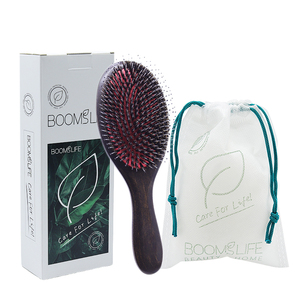
Yes, all listed suppliers offer logo engraving, color matching, label printing, and custom packaging configurations. Most provide digital mockups and support silk-screen or laser marking techniques.
What materials are commonly used in bulk combs and brushes?
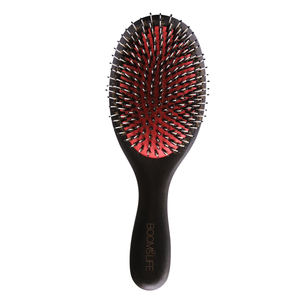
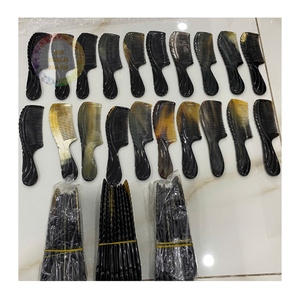
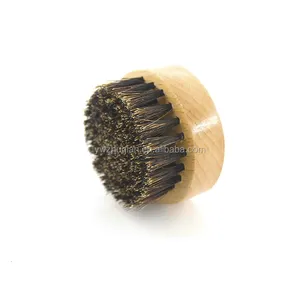
Common materials include bamboo (eco-friendly, durable), beech wood (smooth finish, static-resistant), ABS plastic (lightweight, impact-resistant), and natural boar bristle (for beard and scalp brushes). Material choice affects pricing, MOQ, and regulatory compliance.
How to assess supplier reliability without certifications?
Evaluate track record through on-time delivery rate, response speed, transaction volume, and customer feedback. Request facility photos, production videos, and third-party inspection reports if available. Conduct incremental ordering—start with a small batch to validate quality before scaling.





