Catnip Is Good For Cats


 1/3
1/3




 1/10
1/10



 0
0


 1/2
1/2



 1/3
1/3


 0
0


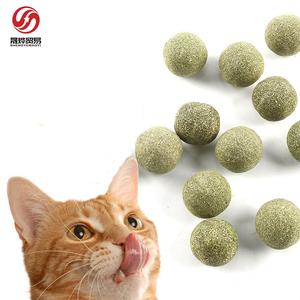
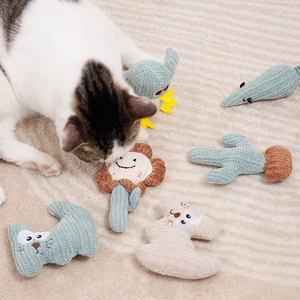
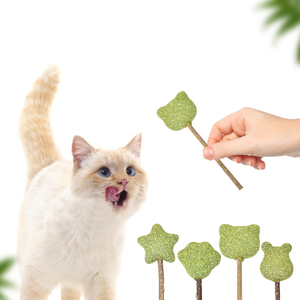
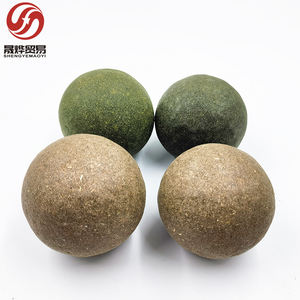
 1/3
1/3


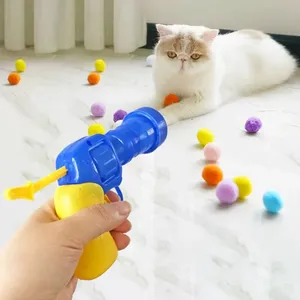

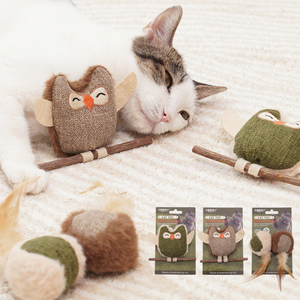
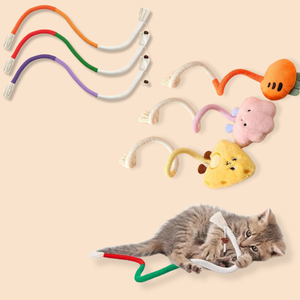
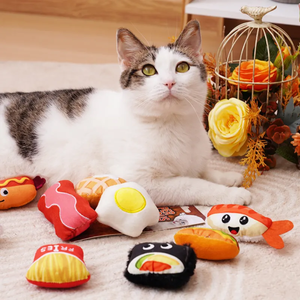
 1/24
1/24

 0
0



 1/19
1/19



 0
0



 1/5
1/5



 1/3
1/3



 1/3
1/3


 1/10
1/10




 1/2
1/2


 1/32
1/32
About catnip is good for cats
Where to Find Catnip Suppliers?
Global catnip (Nepeta cataria) production is primarily concentrated in temperate agricultural regions, with major cultivation and processing hubs in North America, Eastern Europe, and parts of China. These regions offer optimal growing conditions—well-drained soils and moderate climates—that support high-yield harvests. Commercial suppliers typically operate integrated farms and drying facilities, enabling control over cultivation, harvesting, and post-processing stages.
Suppliers in these zones benefit from established herb-processing infrastructure, including climate-controlled drying rooms and automated grinding lines, which preserve the essential oil nepetalactone—the active compound responsible for catnip’s behavioral effects in felines. Economies of scale are achieved through seasonal bulk processing, with peak output occurring between August and October in the Northern Hemisphere. This allows for consistent inventory availability, with lead times averaging 15–30 days for wholesale orders. Buyers can expect cost advantages of 20–35% when sourcing directly from producers with vertical integration, compared to branded intermediaries.
How to Choose Catnip Suppliers?
Prioritize these verification protocols when selecting partners:
Quality Assurance Standards
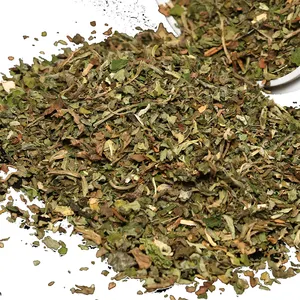
Confirm adherence to agricultural and food-grade handling practices. While catnip is not regulated as a pharmaceutical, reputable suppliers follow Good Agricultural and Collection Practices (GACP) and may hold organic certifications (e.g., USDA Organic, EU Organic). For export compliance, verify absence of contaminants such as heavy metals, pesticides, and microbial load through third-party lab reports (e.g., HPLC testing for nepetalactone concentration).
Production Capacity Verification
Assess operational scale through key indicators:
- Minimum 5 hectares of dedicated cultivation area or contracted farming networks
- Drying capacity exceeding 500 kg per batch under controlled humidity
- In-house grinding, sieving, and packaging lines to maintain freshness
Cross-reference order history with on-time shipment rates (target >95%) to confirm logistical reliability.
Transaction and Compliance Safeguards
Utilize secure payment methods with release terms tied to shipment confirmation. Request Certificates of Analysis (CoA) for each production lot, especially for white-label or private-label orders. Pre-shipment sampling is critical—evaluate aroma intensity, leaf-to-stem ratio, and color consistency before full dispatch. Ensure packaging meets international phytosanitary standards to prevent customs delays.
What Are the Best Catnip Suppliers?
| Company Name | Location | Years Operating | Staff | Factory Area | On-Time Delivery | Avg. Response | Ratings | Reorder Rate |
|---|---|---|---|---|---|---|---|---|
| Supplier data not available | ||||||||
Performance Analysis
Without verifiable supplier data, procurement decisions must rely on independent audits and sample-based evaluation. In mature markets, long-established herb producers often demonstrate higher reorder rates due to consistent product quality and responsive logistics. Prioritize suppliers offering transparent supply chains—from seed source to packaged product—and those capable of providing batch-specific test results. For customized formats (e.g., infused toys, sprays, or organic granules), confirm formulation capabilities and minimum order thresholds prior to engagement.
FAQs
How to verify catnip supplier reliability?
Validate farm ownership or supply agreements through site visits or video audits. Request documentation including organic certification, CoA for active compounds, and export permits. Review customer feedback focusing on product potency, shelf life, and packaging integrity.
What is the average sampling timeline?
Standard samples take 5–10 days to prepare, depending on stock availability. Custom formulations or organic-certified batches may require 14–21 days. International shipping adds 7–14 days via express courier.
Can suppliers ship catnip worldwide?
Yes, most commercial suppliers support global distribution. Confirm compliance with destination regulations—some countries require phytosanitary certificates or restrict certain plant materials. Air freight is recommended for small volumes; sea freight is economical for containerized bulk shipments (e.g., 500+ kg).
Do manufacturers provide free samples?
Sample policies vary. Many suppliers offer complimentary samples for qualified buyers committing to minimum orders (typically 50+ kg). For smaller trials, expect nominal fees covering material and shipping, refundable upon order placement.
How to initiate customization requests?
Specify requirements including form (dried leaf, ground powder, infused pellets), packaging (vacuum-sealed bags, resealable pouches), and labeling. Suppliers with extraction or blending capabilities can develop proprietary blends; allow 2–4 weeks for prototype development and stability testing.





