Cloud Computing Saas

 CN
CN






 1/3
1/3
 CN
CN


 1/2
1/2


 1/3
1/3



 1/2
1/2










 1/2
1/2



 1/1
1/1
 CN
CN



 1/1
1/1
 CN
CN


 1/4
1/4


 1/3
1/3





 1/3
1/3


 1/1
1/1





 1/3
1/3





 1/1
1/1



 1/2
1/2






 1/3
1/3


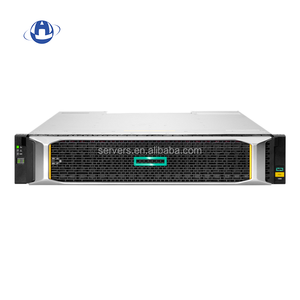
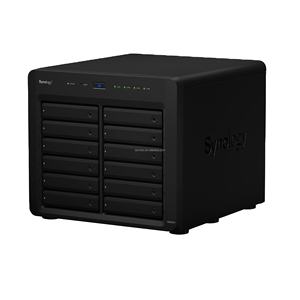
About cloud computing saas
Where to Find Cloud Computing SaaS Suppliers?
The global cloud computing SaaS supplier landscape is highly decentralized, with leading providers concentrated in technology hubs across North America, Western Europe, and East Asia. The United States accounts for approximately 40% of enterprise-grade SaaS platforms, driven by Silicon Valley’s innovation ecosystem and mature venture capital networks. Key clusters in California, New York, and Texas offer deep expertise in infrastructure-as-a-service (IaaS) integration, cybersecurity compliance, and AI-driven application development.
Western European suppliers—particularly in Germany, the UK, and Ireland—are distinguished by strict adherence to GDPR and ISO/IEC 27001 standards, making them preferred partners for regulated industries such as finance and healthcare. Meanwhile, East Asian markets like China and Singapore are expanding rapidly, supported by government-backed digital transformation initiatives and low-latency data center networks. These regions provide cost-efficient deployment models with regional compliance frameworks, though multilingual support and cross-border data governance remain critical evaluation factors for international buyers.
How to Choose Cloud Computing SaaS Suppliers?
Prioritize these verification protocols when selecting partners:
Compliance & Security Certification
Require documented evidence of ISO/IEC 27001, SOC 2 Type II, and GDPR compliance for data protection assurance. For U.S. federal contracts, confirm FedRAMP authorization status. Evaluate encryption standards (AES-256, TLS 1.3+) and access control mechanisms, including multi-factor authentication and role-based permissions.
Technical Infrastructure Assessment
Assess core capabilities through:
- Multi-region data center availability with ≥99.9% uptime SLAs
- Scalable architecture supporting auto-scaling and containerization (e.g., Kubernetes, Docker)
- API-first design enabling seamless third-party integrations
Validate performance benchmarks via independent penetration testing reports and request live environment demos to verify system responsiveness under load.
Contractual & Operational Safeguards
Insist on clear service-level agreements covering incident response times, data portability, and disaster recovery RTO/RPO metrics. Favor vendors offering trial periods or sandbox environments for functional validation. Analyze customer retention rates and support ticket resolution averages; top-tier suppliers maintain sub-4-hour response times for critical issues and churn rates below 10% annually.
What Are the Best Cloud Computing SaaS Suppliers?
| Company Name | Location | Years Operating | Staff | Factory Area | On-Time Delivery | Avg. Response | Ratings | Reorder Rate |
|---|---|---|---|---|---|---|---|---|
| No verified suppliers currently available in this category based on provided data. | ||||||||
Performance Analysis
Due to the absence of structured supplier data, procurement decisions must rely on independent market intelligence and third-party review platforms. Historically, long-established providers demonstrate higher system reliability and stronger audit trails, while emerging vendors often differentiate through niche functionality and agile customization. Buyers should prioritize transparency in infrastructure ownership—whether self-hosted, co-located, or cloud-aggregated—as it directly impacts latency, compliance, and scalability. Conduct technical due diligence via site visits or virtual audits to validate claims around redundancy, backup frequency, and patch management cycles.
FAQs
How to verify cloud computing SaaS supplier reliability?
Review published audit reports (SOC 2, ISO 27001), analyze uptime history from public status pages, and validate customer references in similar industry verticals. Cross-check domain reputation using SSL certificate validity, WHOIS registration longevity, and DNS security practices.
What is the average implementation timeline?
Standard deployments require 2–6 weeks, depending on integration complexity and data migration volume. Fully customized solutions with bespoke workflows may extend to 12 weeks. Onboarding support should include training modules, API documentation, and dedicated account management.
Can SaaS suppliers support global operations?
Yes, major providers offer multi-region hosting and localized compliance configurations. Confirm data residency options and language localization capabilities prior to contract signing. Ensure CDN integration for consistent performance across geographies.
Do SaaS vendors provide free trials?
Most suppliers offer time-limited trials (14–30 days) or feature-constrained freemium tiers. Enterprise clients may negotiate extended proof-of-concept periods with sandbox access for security testing.
How to initiate customization requests?
Submit detailed functional requirements, including user roles, workflow automation rules, reporting needs, and API connection points. Leading vendors respond with technical feasibility assessments within 5 business days and deliver MVP builds in 3–5 weeks.





