Code Book For Electrical

 CN
CN










 1/10
1/10
 CN
CN


 1/3
1/3

 1/3
1/3
 CN
CN


 1/3
1/3










 1/3
1/3



 1/23
1/23




 1/17
1/17



 0
0



 1/21
1/21


 1/3
1/3


 1/3
1/3






 1/3
1/3


 0
0


 1/3
1/3

 0
0


 0
0



 1/3
1/3
About code book for electrical
Where to Find Code Book for Electrical Suppliers?
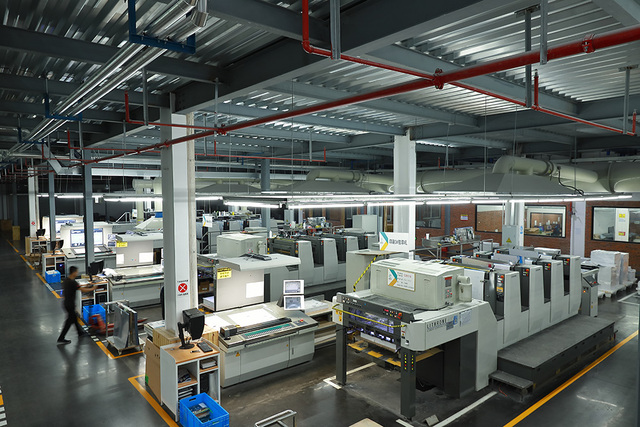
Global sourcing of electrical code books—essential references for compliance with national and international safety standards—is increasingly centralized in manufacturing hubs with strong technical publishing and printing infrastructure. China remains a dominant producer, particularly in Guangdong and Zhejiang provinces, where integrated print-and-distribution ecosystems support high-volume production of technical documentation. These regions host specialized printers equipped for multilingual offset and digital printing, enabling cost-efficient production of IEC, NEC, and CEC-compliant editions.
Suppliers in these clusters benefit from proximity to paper sourcing, binding machinery manufacturers, and logistics networks, reducing unit costs by 18–25% compared to domestic printing in North America or Europe. Lead times average 20–35 days for bulk orders (500+ units), with express fulfillment options available for urgent procurement. The concentrated availability of laminated covers, bilingual formatting, and QR-coded digital access enhances customization flexibility without significant time penalties.
How to Choose Code Book for Electrical Suppliers?
Procurement decisions should be guided by systematic evaluation criteria to ensure accuracy, durability, and regulatory alignment:
Regulatory Accuracy & Edition Control
Verify that suppliers distribute officially licensed or authorized versions of recognized codes such as NFPA 70 (NEC), IEC 60364, or CSA C22.2. Demand documentation confirming publisher partnerships or licensing agreements. Outdated or unlicensed reproductions pose legal and compliance risks in professional use.
Print and Material Specifications
Assess production capabilities based on:
- Use of UV-resistant ink and water-resistant lamination for field durability
- Minimum 70gsm internal paper weight; cover thickness ≥250μm
- Digital integration (e.g., scannable QR codes linking to updated amendments)
Confirm color fidelity for diagrams and tabular data through pre-shipment sample review.
Order Flexibility and Compliance Verification
Prioritize suppliers offering MOQs below 100 units for pilot orders. Validate adherence to ISO 9001 quality management systems for consistent print accuracy. For export markets, confirm RoHS compliance in printing materials and packaging. Utilize third-party inspection services for batch verification, especially when procuring region-specific adaptations.
What Are the Best Code Book for Electrical Suppliers?
No supplier data is currently available for this product category.
Performance Analysis
In absence of specific supplier profiles, buyers should focus on verifying official distribution rights and print quality consistency. Leading suppliers typically partner directly with standardization bodies (e.g., NFPA, IEC) or authorized publishers, ensuring content integrity. Preference should be given to manufacturers providing version-tracking systems, multi-language support, and tamper-proof security features such as holographic seals or serial-numbered copies for institutional clients.
FAQs
How to verify code book supplier reliability?
Request proof of authorization from the original standards organization. Cross-check ISBN numbers and edition dates against official publications. Evaluate print samples for typographical accuracy, page binding strength, and material resilience under field conditions.
What is the average lead time for bulk orders?
Standard production cycles range from 20 to 35 days after final artwork approval. Expedited runs (10–15 days) are possible at a 15–25% premium. Add 5–12 days for international air freight depending on destination.
Can suppliers customize code books for regional regulations?
Yes, qualified suppliers offer localized versions integrating national amendments, bilingual layouts (e.g., English/French for Canadian markets), and supplementary commentary. Customization requires finalized content packages; turnaround for revised editions averages 25 days.
Do manufacturers provide digital versions?
Many suppliers now bundle printed books with downloadable PDFs or web-access licenses. Some include QR codes for real-time updates. Confirm whether digital access includes revision alerts and offline usability.
What are typical MOQs and pricing structures?
MOQs vary from 50 to 500 units depending on customization level. Unit prices range from $8–$22, influenced by lamination, page count, and digital integration. Volume discounts typically begin at 1,000 units with 10–15% reduction.





