Coding List







 1/19
1/19





 0
0








 1/32
1/32


 1/18
1/18




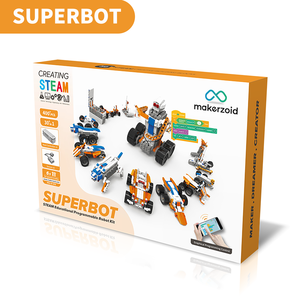
 1/16
1/16


 1/16
1/16

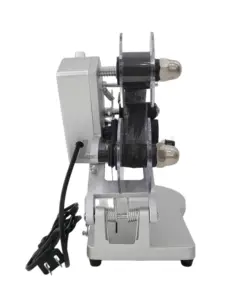



 1/24
1/24


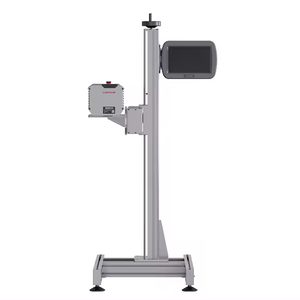
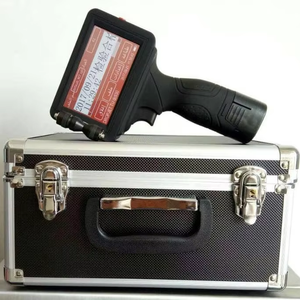









 1/15
1/15








 1/10
1/10


 0
0



 1/3
1/3


 1/3
1/3





 1/26
1/26



 1/3
1/3


About coding list
Where to Find Coding List Suppliers?
No verified suppliers for coding lists are currently identified in major manufacturing regions. Unlike standardized industrial machinery or physical products, coding lists—typically digital documentation or software-based deliverables—do not rely on traditional production clusters with physical infrastructure. As such, no concentrated supplier ecosystems exist in regions like Henan, Shandong, or other industrial hubs known for tangible goods manufacturing.
The absence of a formalized supply chain means procurement strategies cannot leverage economies of scale, localized component sourcing, or integrated logistics networks. Instead, sourcing coding lists involves engaging individual developers, IT service providers, or specialized software firms offering custom programming, data structuring, or compliance-related list generation. These services are often project-based and decentralized, with variable delivery models and quality benchmarks.
How to Choose Coding List Providers?
Given the lack of standardized suppliers, buyers must apply rigorous evaluation criteria tailored to digital service delivery:
Technical Compliance
Verify adherence to relevant data standards (e.g., ISO/IEC 11179 for metadata registries, HL7 for healthcare coding, or ICD-10/ICD-11 for medical classifications). For regulated industries, confirm alignment with jurisdiction-specific requirements such as HIPAA, GDPR, or FDA guidelines where applicable. Request documentation outlining coding methodology, version control, and update protocols.
Production Capability Audits
Assess provider qualifications through:
- Proven experience in domain-specific coding frameworks (e.g., SNOMED CT, LOINC, CPT, or custom taxonomy development)
- Demonstrated workflow for list validation, including peer review, algorithmic checks, or integration testing
- Use of secure development environments and version-controlled repositories (e.g., Git, SVN)
Cross-reference sample outputs with industry benchmarks to evaluate accuracy, completeness, and formatting consistency.
Transaction Safeguards
Utilize milestone-based payment structures with escrow arrangements for high-value projects. Require data ownership clauses and non-disclosure agreements (NDAs) to protect intellectual property. Prioritize providers who offer revision cycles, audit trails, and long-term maintenance support. Validate past performance through client references or third-party reviews focusing on data integrity and timeliness.
What Are the Best Coding List Suppliers?
No supplier data is available for coding list providers. The absence of structured company profiles—including location, operational history, team size, facility metrics, delivery performance, or customer ratings—prevents objective comparison or ranking. This reflects the highly fragmented and informal nature of the market, where offerings are frequently delivered by independent consultants, boutique IT firms, or internal development teams rather than established manufacturers.
Performance Analysis
Without verifiable data on response times, reorder rates, or delivery reliability, procurement decisions must rely on direct technical assessment and pilot engagements. Buyers should initiate small-scale trials to evaluate output quality before committing to large-volume or mission-critical contracts. Emphasis should be placed on transparency in coding logic, documentation clarity, and compatibility with existing systems.
FAQs
How to verify coding list provider reliability?
Evaluate credentials through professional certifications (e.g., Certified Health Data Analyst, CompTIA, or domain-specific credentials). Request access to prior work samples under NDA, and conduct code or list audits using independent validators. Confirm data lineage, update frequency, and error correction procedures.
What is the average sampling timeline?
Sample coding lists are typically delivered within 5–10 business days, depending on complexity and scope. Standardized taxonomies may be available immediately, while custom-developed lists require additional time for design, validation, and formatting. Allow 2–3 weeks for comprehensive pilot sets requiring cross-referencing or regulatory alignment.
Can providers deliver coding lists globally?
Yes, digital delivery enables worldwide distribution via encrypted file transfer, cloud platforms, or API integrations. Ensure compliance with local data protection laws and format localization (e.g., language translation, regional coding variants) when deploying across jurisdictions.
Do providers offer free samples?
Some vendors provide limited-sample previews at no cost to demonstrate structure and formatting. Full-category samples or proprietary coding frameworks usually require paid evaluation licenses or pilot agreements due to intellectual property constraints.
How to initiate customization requests?
Submit detailed specifications including intended use case, required fields (e.g., codes, descriptions, hierarchies), source terminology, mapping rules, and output format (CSV, JSON, XML, or database schema). Reputable providers will return a project plan with timelines, validation steps, and estimated effort within 72 hours.





