





Compression Testing An Engine



 0
0





 1/3
1/3



 1/6
1/6


 1/3
1/3




 1/12
1/12


 1/15
1/15


 1/21
1/21



 1/2
1/2


 1/3
1/3



 1/17
1/17







 1/33
1/33







 1/8
1/8






 1/10
1/10




 1/14
1/14




 1/3
1/3



 0
0


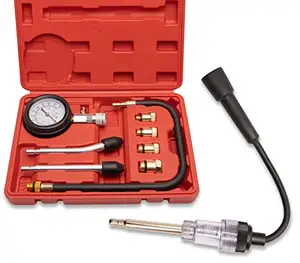


 1/11
1/11
About compression testing an engine
Where to Find Compression Testing Equipment for Engines?
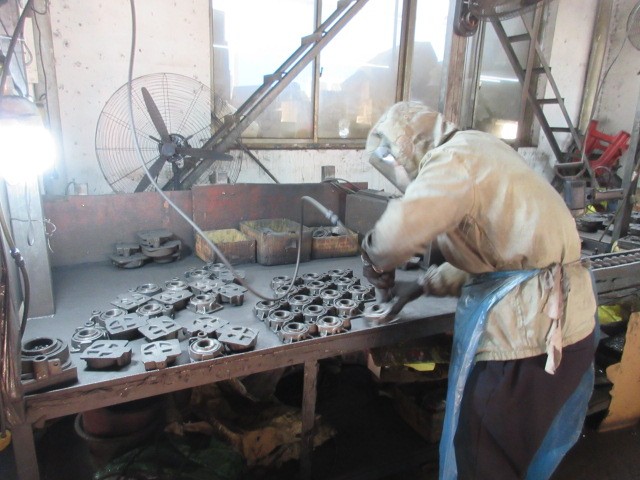
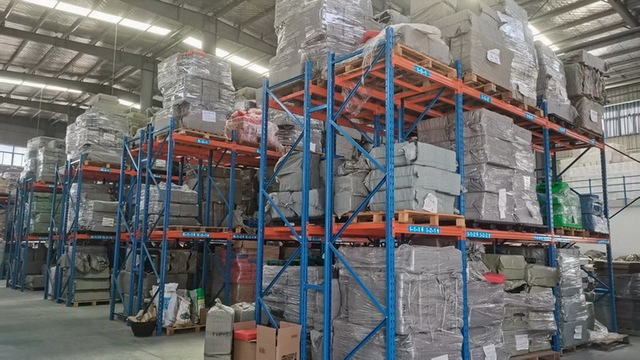
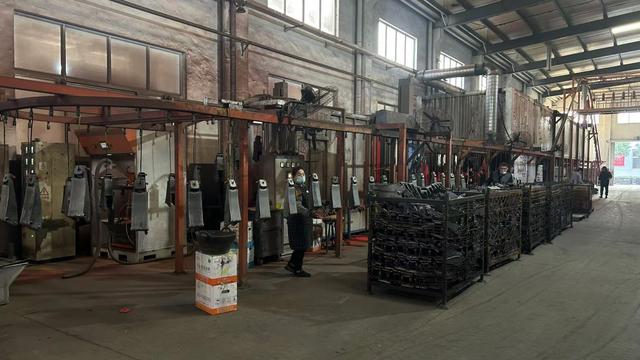
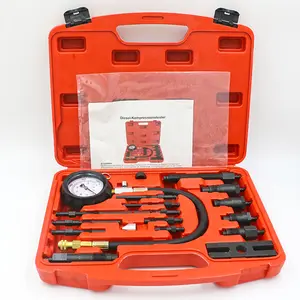
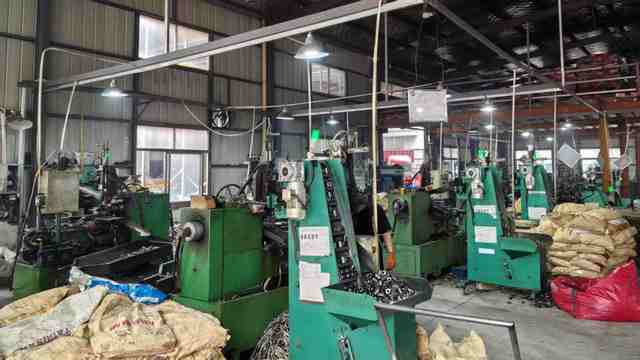
Global manufacturing of engine compression testing equipment is highly concentrated in industrial regions of China, particularly in Guangdong and Jiangsu provinces. These zones host specialized clusters integrating precision instrument engineering with automotive diagnostics production. Guangdong’s Pearl River Delta region accounts for over 50% of China’s diagnostic tool exports, supported by advanced electronics manufacturing ecosystems and proximity to Shenzhen’s component supply hubs. Jiangsu’s Yangtze River Delta corridor offers synergies with automotive R&D centers, enabling rapid prototyping and calibration capabilities.
Suppliers in these regions benefit from vertically integrated production models—combining CNC-machined aluminum housings, pressure sensor assembly, and digital readout integration within single facilities. This localization reduces component procurement lead times by 25–40% compared to decentralized manufacturing. Buyers access streamlined sourcing channels where metrology-grade calibration labs, electronics suppliers, and packaging operations are co-located within 30–60km radii. Typical advantages include lead times of 20–35 days for standard orders, cost efficiency through localized labor and materials (15–25% below Western production benchmarks), and adaptability for OEM branding or technical modifications.
How to Choose Compression Testing Equipment Suppliers?
Implement structured evaluation criteria when assessing potential partners:
Technical Compliance
Require ISO 9001 certification as a baseline for quality management systems. For export markets, confirm compliance with IEC 61010 (electrical safety) and CE marking where applicable. Validate calibration documentation traceable to national standards (e.g., NIST or CNAS) and verify accuracy specifications (±0.5% FS typical for professional-grade units).
Production Capability Audits
Assess operational infrastructure using the following benchmarks:
- Minimum 3,000m² facility with dedicated metrology and assembly zones
- In-house machining capacity (CNC lathes/mills) for probe tips, adapters, and fittings
- Embedded software development team for digital gauge interfaces
Correlate facility scale with order fulfillment performance—target on-time delivery rates exceeding 97%.
Transaction Safeguards
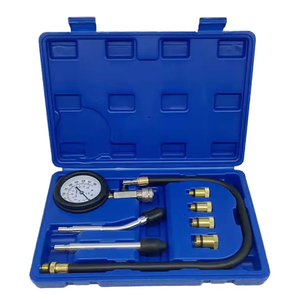
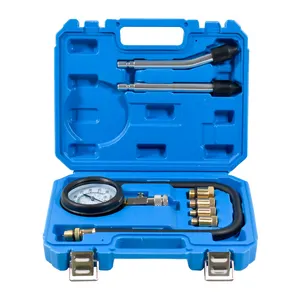
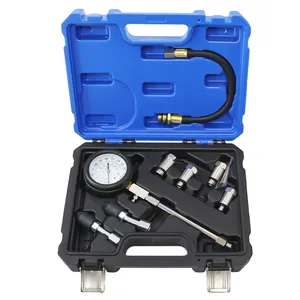
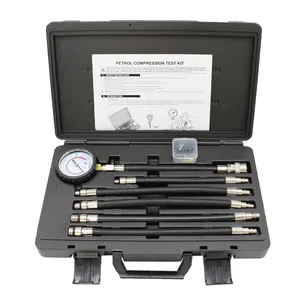
Utilize secure payment mechanisms such as third-party escrow until post-arrival inspection. Review supplier transaction history for dispute resolution patterns and after-sales responsiveness. Pre-shipment sample testing is critical—evaluate seal integrity, thread compatibility with common engine types (e.g., M14, 18mm tapered), and repeatability across multiple cylinder tests before bulk ordering.
What Are the Best Compression Testing Equipment Suppliers?
No supplier data available for compression testing an engine at this time.
FAQs
How to verify compression tester supplier reliability?
Validate certifications through official databases (e.g., CNCA for ISO, notified bodies for CE). Request factory audit reports detailing calibration procedures, material traceability, and final inspection protocols. Evaluate customer feedback focusing on product accuracy consistency and technical support response quality.
What is the average sampling timeline?
Standard samples take 10–20 days to produce. Units with custom gauge ranges, language-specific displays, or multi-standard adapter kits may require 25–35 days. International air shipping adds 5–9 days depending on destination.
Can suppliers ship compression testing kits worldwide?
Yes, experienced manufacturers manage global logistics via air or sea freight. Confirm Incoterm agreements (FOB, CIF, DDP) and ensure packaging meets international drop-test and moisture resistance standards. Battery-powered digital gauges must comply with UN38.3 for lithium battery transport.
Do manufacturers provide free samples?
Sample fee policies vary. Many suppliers apply full cost recovery for initial samples but credit the amount against first production orders above MOQ thresholds (typically 50–100 units). Free samples are uncommon unless backed by long-term procurement commitments.
How to initiate customization requests?
Submit detailed requirements including engine compatibility (gasoline/diesel, bore size), pressure range (up to 300 psi standard), connection type (threaded/tapered), and display format (analog/digital). Leading suppliers offer CAD modeling within 72 hours and deliver functional prototypes within 4 weeks for validation.





