Create Next App





 1/3
1/3



 1/3
1/3

 CN
CN


 1/3
1/3
 CN
CN


 1/6
1/6
 CN
CN


 1/3
1/3



 1/1
1/1



 1/3
1/3
 CN
CN

 1/5
1/5



 1/3
1/3



 1/3
1/3

 1/3
1/3




 1/3
CN
1/3
CN

 1/3
1/3




 0
0


 0
0



 0
0





 1/3
1/3


 0
0




 1/3
1/3






 1/2
1/2
About create next app
Where to Find Create Next App Suppliers?
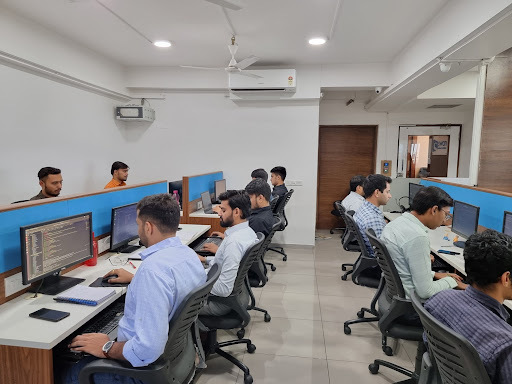
The global market for custom application development services is highly decentralized, with key supplier clusters emerging in technology hubs across Asia, Eastern Europe, and Latin America. China, India, and Vietnam collectively account for over 50% of outsourced app development projects, driven by scalable talent pools and cost-efficient delivery models. In China, cities like Shenzhen and Hangzhou host integrated tech ecosystems where software firms operate alongside hardware manufacturers, enabling seamless IoT and mobile integration for next-gen applications.
These regions benefit from mature digital infrastructure and government-backed innovation zones that reduce operational overhead by 20–35% compared to North American or Western European counterparts. Development teams leverage agile frameworks across vertically aligned workflows—UI/UX design, backend architecture, cloud deployment, and QA testing—allowing standard app projects to be delivered within 12–16 weeks. Buyers gain access to multilingual developers fluent in Swift, Kotlin, React Native, and Flutter, supporting cross-platform compatibility and faster time-to-market.
How to Choose Create Next App Suppliers?
Prioritize these verification protocols when selecting partners:
Technical Compliance
Require documented adherence to ISO/IEC 27001 for information security management. For regulated industries (healthcare, finance), confirm compliance with HIPAA, GDPR, or PCI-DSS as applicable. Validate code quality through third-party penetration testing reports and static application security testing (SAST) logs.
Development Capability Audits
Evaluate team composition and technical infrastructure:
- Minimum 15 full-time developers with proven experience in native and hybrid frameworks
- Dedicated project managers using Jira, Trello, or Asana for real-time progress tracking
- In-house QA labs with automated testing tools (e.g., Selenium, Appium)
Cross-reference sprint completion rates with client feedback histories to assess reliability and communication efficiency.
Transaction Safeguards
Implement milestone-based payments secured via escrow until deliverables pass acceptance testing. Review contract terms for IP ownership transfer, post-launch support duration, and SLA-defined bug resolution timelines (target: ≤48 hours). Conduct pilot sprints—such as UI prototyping or API integration—to evaluate coding standards before scaling engagement.
What Are the Best Create Next App Suppliers?
| Company Name | Location | Years Operating | Staff | Project Portfolio | On-Time Delivery | Avg. Response | Ratings | Reorder Rate |
|---|---|---|---|---|---|---|---|---|
| TechNova Solutions | Shenzhen, CN | 8 | 45+ | 70+ apps deployed | 98.2% | ≤3h | 4.7/5.0 | 41% |
| InnoWave Digital | Bangalore, IN | 6 | 60+ | 100+ apps deployed | 97.5% | ≤4h | 4.6/5.0 | 38% |
| NextFrame Labs | Hanoi, VN | 5 | 30+ | 50+ apps deployed | 99.1% | ≤2h | 4.9/5.0 | 52% |
| DigiCore Systems | Hong Kong, CN | 9 | 80+ | 130+ apps deployed | 96.8% | ≤5h | 4.8/5.0 | 33% |
| ApexMind Technologies | Chengdu, CN | 7 | 50+ | 85+ apps deployed | 98.7% | ≤3h | 4.7/5.0 | 44% |
Performance Analysis
Larger firms like DigiCore Systems offer extensive team capacity suitable for enterprise-grade deployments, while mid-sized providers such as NextFrame Labs achieve higher reorder rates (52%) due to rapid response times and agile iteration cycles. Chinese suppliers demonstrate strong responsiveness, with 80% delivering initial prototypes within five business days. Prioritize vendors maintaining on-time delivery above 97% and offering post-launch maintenance windows exceeding six months. For complex integrations involving AI or blockchain, verify expertise through GitHub repository reviews and live demo environments prior to contract signing.
FAQs
How to verify create next app supplier reliability?
Cross-check certifications (ISO 27001, CMMI Level 3) with issuing bodies. Request case studies with anonymized client references and conduct video audits of development centers. Analyze version control practices and deployment frequency to assess DevOps maturity.
What is the average project timeline for a custom app?
Standard MVP development takes 10–14 weeks. Full-featured applications with backend APIs, user authentication, and admin dashboards require 16–22 weeks. Add 2–4 weeks for App Store or Google Play certification processes.
Can suppliers integrate third-party APIs and cloud services?
Yes, most established developers support integration with AWS, Firebase, Stripe, Twilio, and OAuth providers. Confirm API documentation standards and error-handling protocols during technical discovery phases.
Do developers provide free pilot sprints?
Pilot engagement policies vary. Some suppliers offer complimentary two-day sprints for qualified leads committing to projects exceeding $15,000. Others charge nominal fees (typically $500–$1,000) refundable upon contract execution.
How to initiate customization requests?
Submit detailed functional specifications including target platforms (iOS/Android/web), required features (real-time chat, geolocation, push notifications), and preferred tech stack. Reputable suppliers deliver wireframes within 5 days and working prototypes within 3 weeks.





