







Create Your Own Website To Sell Products










 Top sponsor listing

 CN
CN


 CN
CN












































































About create your own website to sell products
Where to Find Suppliers for Creating Your Own Website to Sell Products?
The global market for e-commerce website development services is increasingly concentrated among specialized software providers in China, particularly in technology hubs such as Hangzhou and Shenzhen. These regions host a growing number of agile digital solution firms that combine rapid development cycles with scalable cloud infrastructure integration. Hangzhou has emerged as a center for SaaS-based e-commerce platforms, offering standardized yet customizable storefront solutions built on Shopify, WooCommerce, and Magento frameworks. Meanwhile, Shenzhen’s ecosystem emphasizes AI-driven personalization and B2B/B2C enterprise-grade websites, leveraging proximity to hardware innovation clusters for integrated IoT and payment system compatibility.
Suppliers in these zones benefit from mature software engineering talent pools and streamlined project management workflows, enabling faster deployment timelines—typically 15–30 days for fully functional sites. Buyers gain access to end-to-end service models covering UI/UX design, API integrations, mobile responsiveness, and SEO optimization. Key advantages include cost efficiency (average development rates between $100–$500 per project), modular customization options, and post-launch technical support structures. The presence of multispecialty suppliers also allows seamless scaling from basic online stores to complex multi-vendor marketplaces.
How to Choose Website Development Suppliers?
Effective supplier selection requires structured evaluation across three critical dimensions:
Technical Expertise & Platform Proficiency
Confirm demonstrated experience with major e-commerce platforms including Shopify, WooCommerce, Magento, and custom WordPress implementations. Evaluate portfolios for responsive design, secure checkout integration (SSL, PCI compliance), and cross-browser functionality. For advanced use cases, verify capabilities in AI-powered recommendation engines, multi-language support, and ERP/WMS synchronization.
Service Delivery Metrics
Prioritize suppliers with measurable performance indicators:
- On-time delivery rate ≥95% to ensure project timeline adherence
- Average response time ≤4 hours for ongoing communication
- Documented revision policies and post-launch maintenance terms
Cross-reference stated capabilities with actual transaction data, especially for suppliers claiming high customization or enterprise-level deployments.
Transaction Security & Support Frameworks
Utilize secured payment mechanisms such as escrow services to mitigate risk during development phases. Assess after-sales support availability, including bug resolution SLAs and update frequency. Request source code documentation and CMS training materials to ensure long-term operational independence. For high-investment projects (e.g., $30,000+), require milestone-based delivery with stage-gated approvals.
What Are the Leading Website Development Suppliers?
| Company Name | Location | Main Products | Customization Options | Min. Order Value | On-Time Delivery | Avg. Response | Reorder Rate | Online Revenue |
|---|---|---|---|---|---|---|---|---|
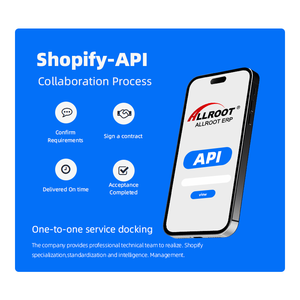
| HANGZHOU ALLROOT Software Co., Ltd. | Zhejiang, CN | Shopify, WooCommerce, Magento E-commerce Websites | Color, logo, API integration | $100 | 100.0% | ≤4h | - | - |
| Shenzhen Douples Technology Co., Ltd. | Guangdong, CN | B2B/B2C Custom Websites, E-commerce Apps | AI features, personalized UX/UI | $30,000 | 100.0% | ≤8h | - | - |
| WEB CARE MEDIA | India | WordPress, E-commerce Site Design | Limited | $100 | - | ≤6h | - | - |
| TWODICE.NET | Pakistan | Creative Web Design, Dropshipping Stores | Moderate | $200 | - | ≤5h | - | - |
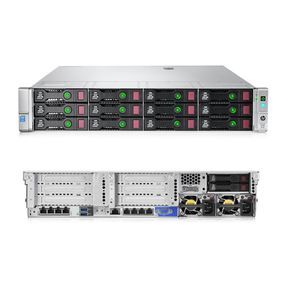
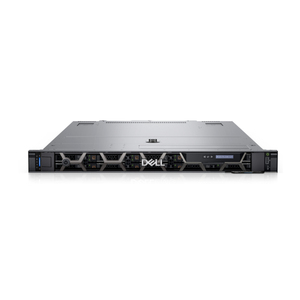
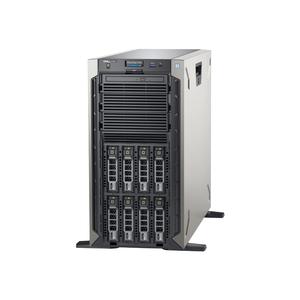
| Shanghai Qingguang Electronic Technology Co., Ltd. | Shanghai, CN | Servers, Networking, Storage Hardware | Hardware configuration only | N/A | 100.0% | ≤2h | 21% | US $720,000+ |
Performance Analysis
HANGZHOU ALLROOT stands out for affordability and responsiveness, delivering platform-specific e-commerce sites at entry-level pricing with verified 100% on-time performance. Shenzhen Douples targets high-end clients requiring enterprise-scale B2B/B2C systems, reflected in significantly higher minimum investment thresholds ($30,000+) and AI-enhanced functionality. WEB CARE MEDIA and TWODICE.NET offer mid-tier services suitable for small businesses seeking budget-friendly solutions, though lack reorder rate transparency. Notably, Shanghai Qingguang appears misaligned with core website development needs, focusing instead on used server and storage hardware—indicating keyword targeting divergence rather than service specialization. Buyers should prioritize suppliers with clear e-commerce development portfolios and avoid generalist IT vendors lacking web design expertise.
FAQs
How to verify website development supplier reliability?
Review sample projects and client references, particularly for similar industry verticals. Validate technical claims through live demos or staging environments. Check for consistent communication patterns, documentation quality, and clarity in scope definition. Use third-party assurance programs where available to secure payments against deliverable milestones.
What is the typical lead time for building an e-commerce website?
Standard websites take 15–25 days from initial briefing to launch. Complex builds involving custom APIs, AI features, or multi-vendor architectures may require 6–8 weeks. Expedited delivery (within 7–10 days) is possible for template-based Shopify or WooCommerce setups with minimal customization.
Can suppliers integrate with existing business systems?
Yes, reputable developers support integration with inventory management, CRM, accounting, and logistics platforms via RESTful APIs. Confirm middleware compatibility and data migration protocols before engagement, especially for legacy ERP systems.
Do website development suppliers offer post-launch support?
Most provide limited post-deployment support (e.g., 30–90 days free maintenance). Extended service agreements are typically available for monthly retainers covering updates, security patches, and feature enhancements. Clarify ownership of source code and hosting access prior to contract signing.
How does customization affect cost and timeline?
Basic branding adjustments (colors, logos) have minimal impact. Advanced customizations—such as unique checkout flows, membership tiers, or real-time analytics dashboards—can increase costs by 50–200% and extend timelines by 2–3 weeks. Request detailed breakdowns of change orders and version control procedures to manage scope creep.





