Cyd Esp32 Display Wholesaler



 0
0


 1/1
1/1


 1/3
1/3




 1/3
1/3






 0
0


 1/3
1/3


 0
0



 1/3
1/3



 1/3
1/3


 0
0



 1/2
1/2






 1/3
1/3





 1/18
1/18



 1/3
1/3


 1/2
1/2


 0
0

 1/3
1/3




 1/3
1/3
About cyd esp32 display wholesaler
Where to Find CYD ESP32 Display Wholesalers?
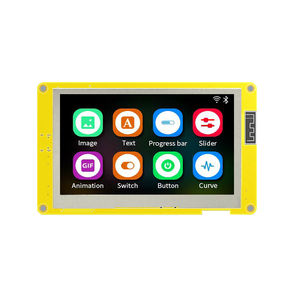
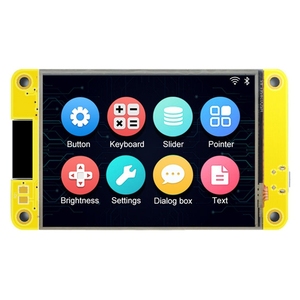
China remains the central hub for electronic component manufacturing, with key production clusters in Guangdong and Jiangsu provinces leading in embedded display module assembly. Shenzhen, located in Guangdong, hosts a dense ecosystem of electronics suppliers specializing in IoT-integrated displays, including CYD ESP32-based units. This region benefits from proximity to semiconductor distributors, PCB fabricators, and firmware development houses, enabling rapid prototyping and scalable production. Jiangsu’s Suzhou and Wuxi zones complement this with advanced SMT lines and automated testing infrastructure, supporting high-volume orders with consistent yield rates.
These industrial networks allow for vertically integrated production—from component sourcing to final burn-in testing—reducing dependency on external vendors. Buyers gain access to streamlined workflows where design validation, firmware flashing, and quality assurance occur within localized facilities. Key advantages include lead times averaging 20–35 days for bulk shipments, cost efficiencies of 15–25% over non-Asian manufacturers due to concentrated supply chains, and flexibility in both standard configurations and custom interface modifications.
How to Choose CYD ESP32 Display Wholesalers?
Implement structured evaluation criteria when assessing potential suppliers:
Quality Management Compliance
Confirm adherence to ISO 9001 standards as a baseline for process control. For markets requiring regulatory compliance, verify RoHS and CE declarations to ensure material safety and electromagnetic compatibility. Request test reports covering display longevity (minimum 50,000 hours backlight life), touch response accuracy, and firmware stability under continuous operation.
Production Capacity Verification
Assess operational scale through measurable indicators:
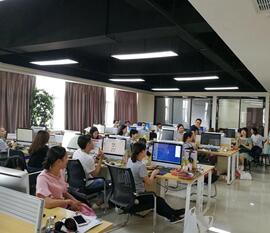
- Minimum 2,000m² cleanroom facility for SMT and assembly
- In-house programming stations for ESP32 firmware customization
- Automated optical inspection (AOI) and functional testing systems
Correlate factory size with order scalability and validate claimed monthly output (target ≥10,000 units) against historical shipment data.
Procurement Risk Mitigation
Utilize secure transaction methods such as third-party escrow until product acceptance. Review supplier performance history via verifiable trade records, prioritizing those with documented export experience to North America, Europe, or Japan. Pre-shipment sampling is critical—test at least three units per batch for boot sequence reliability, Wi-Fi/BLE connectivity, and TFT color calibration before approving mass production.
What Are the Best CYD ESP32 Display Wholesalers?
No verified supplier data is currently available for CYD ESP32 display wholesalers. Procurement professionals should conduct direct audits or request referrals through industry contacts to identify qualified partners. Emphasis should be placed on suppliers demonstrating technical documentation transparency, traceable component sourcing (e.g., authentic ESP32 chips), and proven experience in delivering to international electronics integrators.
Performance Analysis
In absence of published metrics, due diligence becomes the primary differentiator. Prioritize companies that provide detailed factory layouts, equipment lists, and quality control checklists. Suppliers offering video-guided facility walkthroughs and real-time production tracking are more likely to meet delivery and consistency benchmarks. For low-risk entry, initiate with small trial orders to evaluate packaging integrity, labeling accuracy, and technical alignment before scaling procurement volume.
FAQs
How to verify CYD ESP32 display supplier credibility?
Validate certifications through official databases and request audit trails for raw materials, particularly ESP32 modules and LCD panels. Evaluate responsiveness to technical inquiries and demand sample-level documentation, including schematics, pinouts, and API references for built-in functionalities.
What is the typical sampling timeline?
Standard samples are typically produced within 7–14 days. Units requiring customized firmware or GUI adjustments may take 20–28 days. Add 5–9 days for international air shipping depending on destination.
Can suppliers support global shipping?
Yes, experienced exporters manage worldwide logistics via air or sea freight. Confirm Incoterms (FOB, CIF, DDP) during negotiation and verify compliance with import regulations for electronic devices in target markets. Proper ESD-safe packaging and customs-compliant labeling are standard with established partners.
Do wholesalers offer free samples?
Sample policies vary by order commitment. Many suppliers waive fees for qualified buyers with confirmed purchase intent exceeding 500 units. Otherwise, expect charges covering 40–60% of unit cost, often refundable upon order placement.
How to proceed with customization requests?
Submit detailed requirements including display resolution, touch type (resistive/capacitive), GPIO configuration, power input range, and desired firmware features (e.g., OTA updates, UART protocols). Reputable suppliers will respond with pin diagrams, UI mockups, and development timelines within 5 business days.





