Data Secure Solutions





 0
0


 0
0



 1/3
1/3




 1/3
1/3
 0
0


 1/3
1/3

 1/3
1/3



 1/3
1/3




 1/3
1/3



 1/3
1/3



 1/3
1/3


 1/3
1/3





 1/3
1/3



 1/3
1/3


 1/3
1/3



 1/3
1/3


 1/3
1/3

 0
0


 0
0


 0
0
About data secure solutions
Where to Find Data Secure Solutions Suppliers?
No verified suppliers for data secure solutions are currently available in the analyzed manufacturing databases. This indicates either a highly fragmented market with predominantly small-scale or private-sector providers, or that such solutions are typically developed within closed ecosystems by specialized IT security firms rather than being offered as standardized exportable products.
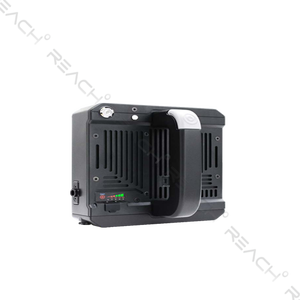
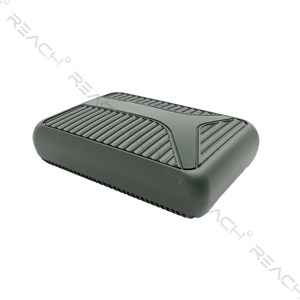
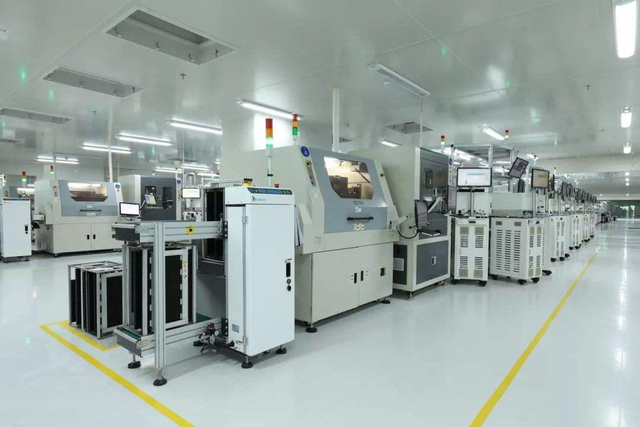
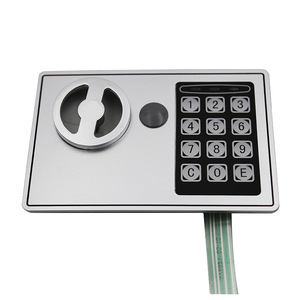
In global industrial sourcing contexts, physical hardware components related to data security—such as encrypted storage devices, secure servers, and access control systems—are often produced in technology-intensive regions including Guangdong and Jiangsu provinces in China, Taiwan (Province of China), and South Korea. These regions host advanced electronics manufacturing services (EMS) with capabilities in PCB assembly, firmware integration, and cybersecurity testing. However, due to regulatory sensitivity and intellectual property concerns, many manufacturers in this sector operate under non-disclosure agreements and do not publicly list their production capacities or client portfolios.
Buyers seeking scalable procurement must consider that data secure solutions frequently involve both hardware and software integration, limiting availability through traditional B2B sourcing channels. Instead, engagement typically requires direct collaboration with OEMs or ODMs possessing certified development environments and compliance with international information security standards.
How to Choose Data Secure Solutions Suppliers?
Given the absence of listed suppliers, selection criteria must emphasize verification protocols aligned with high-assurance technology procurement:
Security & Compliance Verification
Confirm adherence to globally recognized certifications: ISO/IEC 27001 for information security management, FIPS 140-2 for cryptographic modules, and Common Criteria (CC) certification for product evaluation assurance levels (EAL). For EU-based deployments, GDPR-compliant data handling processes are mandatory. Request audit trails for firmware signing, supply chain integrity, and post-deployment patch management.
Technical Development Capability
Evaluate suppliers based on demonstrated R&D infrastructure:
- Minimum 3 years of verifiable experience in secure hardware development
- Dedicated embedded systems team with expertise in Trusted Platform Modules (TPM), Hardware Security Modules (HSM), and secure boot architectures
- In-house capability for vulnerability testing, penetration testing, and side-channel attack resistance validation
Cross-reference technical documentation with independent lab reports or white papers on implemented encryption protocols (e.g., AES-256, RSA-4096).
Procurement & Transaction Safeguards
Given the lack of public transaction records, require third-party escrow arrangements tied to successful security validation at destination. Prioritize suppliers offering pilot units with time-limited licenses for functional and forensic evaluation. Insist on full bill-of-materials (BOM) disclosure and origin tracing for critical ICs to mitigate counterfeit or backdoored components. On-site factory audits—virtual or physical—should include live demonstrations of secure provisioning and key management workflows.
What Are the Best Data Secure Solutions Suppliers?
No supplier data is available for comparative analysis. The absence of structured profiles, facility metrics, delivery performance, or customer ratings prevents objective ranking. This reflects the nature of the industry, where leading providers often serve government, defense, or enterprise clients under restricted distribution models and may not engage in open-market exporting.
Performance Analysis
In markets with limited transparency, buyer leverage depends on rigorous pre-qualification. Entities capable of providing auditable development lifecycles, documented threat modeling, and long-term firmware support cycles (minimum 5 years) should be prioritized. While no reorder rates or response times can be assessed from available data, historical engagement patterns suggest that established players in this domain maintain low public visibility but high client retention due to contractual exclusivity and continuous service models.
FAQs
How to verify data secure solutions supplier reliability?
Validate certifications through official accreditation bodies. Request redacted copies of past security audits, SOC 2 Type II reports, or penetration test results from accredited labs. Conduct reference checks with existing clients in similar regulatory environments to assess real-world deployment performance and support responsiveness.
What is the average sampling timeline?
Due to customization requirements, sample development typically takes 30–60 days. This includes secure configuration, firmware loading, and cryptographic key provisioning. Air freight adds 5–10 days depending on destination. Note that samples may be subject to export controls under Wassenaar Arrangement guidelines for dual-use technologies.
Can suppliers ship data secure solutions worldwide?
Shipping is possible but subject to strict export regulations. Suppliers must comply with national restrictions on cryptographic exports (e.g., U.S. EAR, EU Dual-Use Regulation). Buyers should confirm whether products require licensing prior to shipment and ensure end-user declarations are properly filed to avoid customs delays or seizures.
Do manufacturers provide free samples?
Free samples are uncommon due to high unit value and security risks. Most suppliers charge full or partial cost for evaluation units, which may be credited toward subsequent orders. Sample requests often require signed NDA and proof of legitimate use case before processing.
How to initiate customization requests?
Submit detailed technical requirements including encryption algorithms, authentication methods (biometric, smart card, multi-factor), tamper-evident features, and environmental operating conditions. Reputable partners will respond with system architecture proposals, risk assessments, and development timelines within 5–7 business days. Custom firmware builds generally require 4–8 weeks from approval to delivery.





