Decimal Subtract






 1/8
1/8





 1/3
1/3

 CN
CN
 1/3
1/3


 1/3
1/3


 1/3
1/3


 1/3
1/3





 1/3
1/3




 1/3
1/3


 1/30
1/30




 1/7
1/7


 1/34
1/34





 0
0


 1/8
1/8




 1/3
1/3



 1/3
1/3


 1/3
1/3




 1/3
1/3



 1/3
1/3
About decimal subtract
Where to Find Decimal Subtract Suppliers?
The global supplier base for precision calculation equipment, including devices capable of decimal subtraction functionality, is highly fragmented due to the commoditization of basic arithmetic modules. While specialized industrial controllers are concentrated in electronics manufacturing hubs such as Guangdong and Jiangsu provinces in China, standalone "decimal subtract" units are typically integrated into broader computational systems rather than produced as discrete hardware. As a result, no dedicated industrial clusters currently exist specifically for decimal subtraction components.
Suppliers offering such functionality generally operate within larger electronic instrumentation ecosystems, providing embedded solutions using microcontroller units (MCUs) or field-programmable gate arrays (FPGAs). These systems leverage localized PCB assembly networks and SMT production lines, enabling cost-efficient integration into OEM equipment. However, with no standardized product category for “decimal subtract” devices, procurement efforts must focus on engineering partners capable of delivering algorithmic processing within custom control logic, rather than off-the-shelf units.
How to Choose Decimal Subtract Suppliers?
Given the absence of dedicated suppliers, selection criteria should emphasize technical capability in digital signal processing and firmware development:
Functional Specification Alignment
Confirm that potential vendors can implement IEEE 754-compliant floating-point arithmetic or fixed-point decimal computation with defined precision (e.g., BCD—Binary Coded Decimal). Require documentation of numerical accuracy, rounding behavior, and error handling under edge cases such as overflow or underflow conditions.
Engineering & Integration Capacity
Assess core competencies in embedded software design:
- Minimum 2 years of experience in developing real-time mathematical functions for industrial controls
- Proven track record integrating arithmetic logic into PLCs, HMI systems, or data acquisition modules
- Support for common communication protocols (Modbus, CANopen, EtherCAT) for seamless system integration
Request code samples or simulation logs demonstrating correct decimal subtraction across variable input ranges.
Quality Assurance Protocols
Verify adherence to electronic design control standards such as IEC 61508 or ISO 13849 where applicable. For regulated industries (medical, aerospace), demand full traceability of firmware development cycles, version control logs, and test validation reports. Third-party verification through functional testing remains critical before deployment.
What Are the Best Decimal Subtract Suppliers?
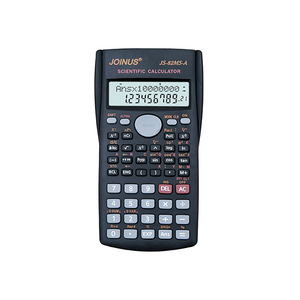
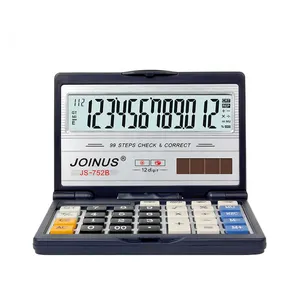
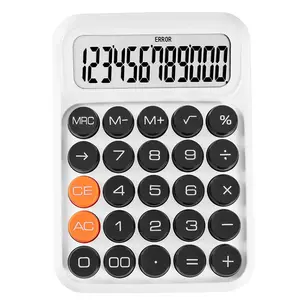
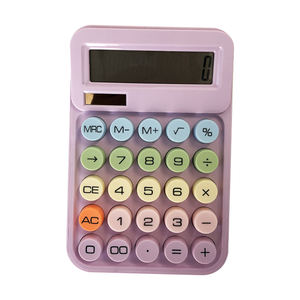
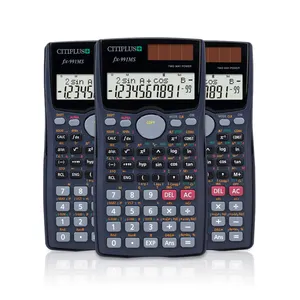
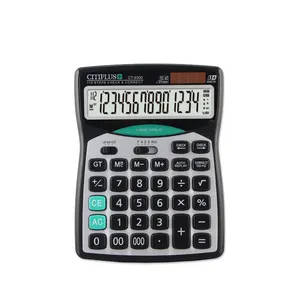
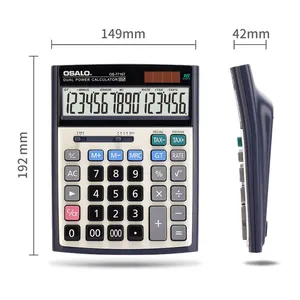
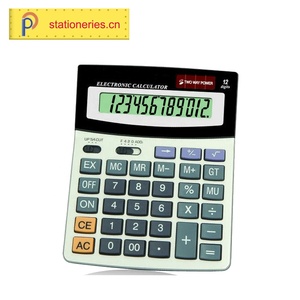
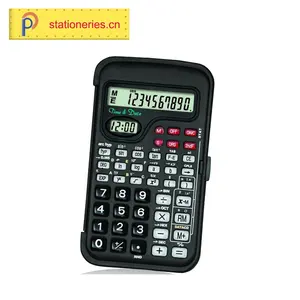
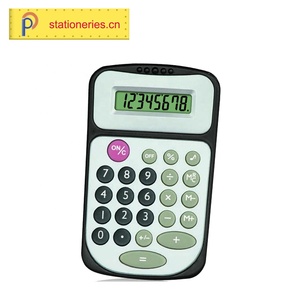
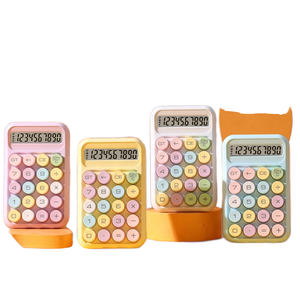
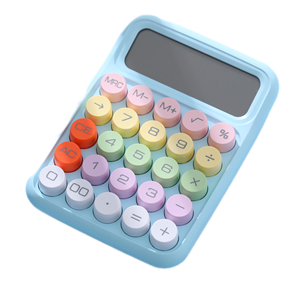
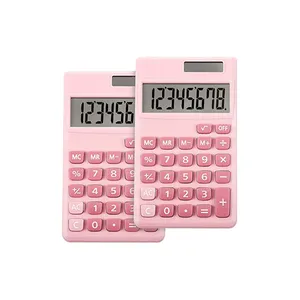
No verified suppliers were identified for standalone "decimal subtract" products based on current market data. The absence of listed manufacturers indicates that this function is not commercially distributed as an independent component but instead embedded within programmable logic devices, calculators, or industrial computing platforms.
Performance Analysis
In the absence of direct suppliers, buyers must source through electronics engineering firms or automation solution providers capable of programming precise decimal arithmetic into existing control architectures. Procurement strategies should prioritize partners with documented expertise in numerical computation, access to certified development environments, and compliance with relevant safety or performance standards. Custom firmware implementation will be required in nearly all use cases, necessitating close collaboration between technical teams during specification and validation phases.
FAQs
How to verify decimal arithmetic accuracy in supplier solutions?
Require test reports showing results across boundary conditions (e.g., 0.01 - 0.02, 999.99 - 0.01) with output compared against reference calculations. Use automated test scripts to validate consistency over thousands of iterations. Independent lab verification is recommended for mission-critical applications.
What is the average lead time for customized arithmetic modules?
Firmware-only implementations typically require 2–4 weeks for development and testing. If hardware integration is needed (e.g., custom PCB), add 6–10 weeks for prototyping and validation. Rush timelines may reduce total duration by 30% with expedited fees.
Can suppliers provide standalone decimal subtraction hardware?
No commercial suppliers currently offer discrete “decimal subtract” units. All known implementations are part of broader computing or control systems, either pre-programmed into MCUs or executed via software-defined logic.
Do manufacturers support high-precision decimal operations?
Yes, many embedded systems support decimal precision up to 16 digits using BCD arithmetic or software libraries. Specify required precision (e.g., ±0.0001), operating range, and update frequency during technical discussions to ensure compatibility.
How to initiate customization requests?
Submit detailed functional requirements including numeric format (fixed/floating point), bit width (8/16/32-bit), clock speed, power constraints, and interface type (digital I/O, serial, etc.). Reputable engineering partners will respond with architecture proposals, development timelines, and prototype delivery schedules within 5–7 business days.





