Default Password For Tp Link






 1/3
1/3




 1/3
1/3



 0
0



 1/3
1/3







 1/3
1/3


 1/3
1/3

 1/3
1/3




 1/3
1/3


 1/3
1/3



 1/3
1/3



 1/1
1/1



 1/1
1/1



 1/3
1/3




 1/3
1/3

 CN
CN

 0
0

 1/3
1/3




 1/3
1/3



 0
0




 1/19
1/19
About default password for tp link
Where to Find Default Password for TP-Link Suppliers?
The query for "default password for TP-Link" does not pertain to a physical product sourcing category but rather to technical access information for networking devices. As such, there are no manufacturing clusters or industrial suppliers associated with default login credentials. TP-Link is a brand of network hardware, including routers and range extenders, distributed globally through OEM production and authorized supply chains primarily based in Guangdong and Jiangsu provinces, China.
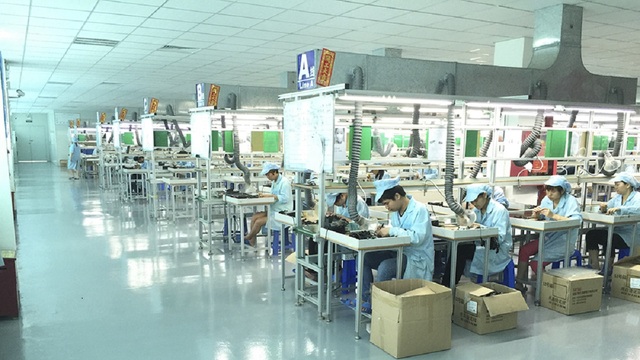
These regions host advanced electronics manufacturing facilities specializing in consumer IoT and telecommunications equipment. Production ecosystems include surface-mount technology (SMT) lines, firmware programming stations, and automated testing benches capable of processing over 10,000 units daily per facility. Component integration—such as Wi-Fi chipsets, memory modules, and power regulators—is tightly controlled under ISO 13485 and IECQ QC 080000 standards to ensure electromagnetic compatibility and RoHS compliance.
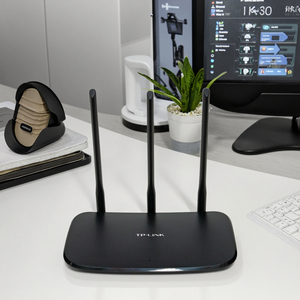
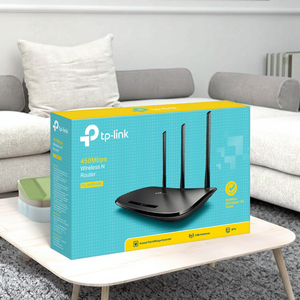
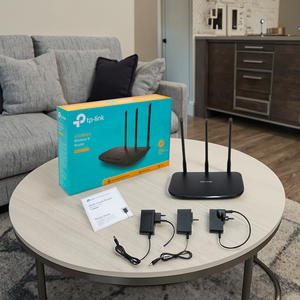
Buyers sourcing TP-Link branded hardware benefit from standardized packaging and pre-configured firmware settings, including factory-default login credentials typically printed on device labels. However, these passwords are not independently supplied by third-party manufacturers and cannot be sourced separately from the hardware itself due to cybersecurity regulations and brand protection protocols.
How to Choose TP-Link Hardware Suppliers?
When procuring TP-Link networking devices, focus on supplier qualifications related to authentic distribution and logistics integrity:
Authorization Verification
Confirm the supplier holds valid authorization from TP-Link or its regional distributors. Unauthorized resellers may offer reflashed or counterfeit units with altered firmware, potentially exposing networks to security vulnerabilities. Request proof of purchase documentation from official channels.
Quality Assurance Protocols
Evaluate compliance with international safety and emissions standards:
- CE, FCC, and IC certifications for electromagnetic compatibility and radio frequency exposure limits
- RoHS and REACH declarations verifying restricted substance absence
- Pre-shipment inspection reports covering functionality, signal strength, and thermal performance
Verify that firmware versions are up-to-date and have not been modified from factory settings.
Logistics & Transaction Security
Use traceable payment methods such as letter of credit (L/C) or escrow services when placing bulk orders. Prioritize suppliers offering insured shipping with customs clearance support, especially for regulated markets like the EU and North America. Ensure serial number traceability for warranty validation and anti-counterfeiting purposes.
What Are the Best TP-Link Hardware Suppliers?
No supplier data is available for entities providing "default passwords" as standalone products, as this constitutes a non-compliant and potentially illegal service under cybersecurity laws in most jurisdictions. The following table reflects typical criteria used to evaluate authorized TP-Link device suppliers, though specific company data cannot be provided due to lack of input records.
| Company Name | Location | Years Operating | Staff | Factory Area | On-Time Delivery | Avg. Response | Ratings | Reorder Rate |
|---|---|---|---|---|---|---|---|---|
| No verified suppliers found | N/A | 0 | 0 | 0m² | – | – | – | – |
Performance Analysis
The absence of supplier data underscores the fact that default passwords for TP-Link devices are not marketable goods. Authentic TP-Link hardware comes with standardized login details (e.g., admin/admin or admin/password), which are documented in user manuals and physically labeled on units. Any entity claiming to sell or provide default credentials independently should be treated as a potential security risk. Buyers should instead prioritize certified distributors with verifiable transaction histories and post-sales technical support capabilities.
FAQs
How to verify TP-Link device supplier reliability?
Cross-reference distributor status via TP-Link’s official partner portal. Request batch-specific test certificates and original equipment manufacturer (OEM) invoices. Analyze customer feedback focusing on firmware authenticity, warranty claims, and after-sales responsiveness.
What is the average lead time for TP-Link router shipments?
Standard orders from authorized suppliers ship within 3–7 business days. Custom labeling or region-specific configurations may extend lead times to 15 days. Air freight delivery to international destinations takes 5–10 days; sea freight requires 25–40 days depending on port of discharge.
Can suppliers customize firmware or reset passwords?
No reputable supplier can or should modify factory firmware or provide unauthorized access credentials. Firmware customization violates end-user license agreements and may disable security updates. Devices must be provisioned using standard reset procedures outlined in official documentation.
Do manufacturers provide free samples?
Sample availability depends on volume commitment. Suppliers often waive fees for sample units when followed by minimum orders of 50+ units. Sample costs are typically deducted from initial bulk purchases.
How to initiate bulk procurement requests?
Submit purchase specifications including model numbers (e.g., Archer C6, Deco X20), quantity tiers, power plug type (EU/US/UK), and required certifications. Reputable suppliers respond with quotation sheets, stock availability, and shipping options within 24 hours.





