Default Password Of Tp Link






 1/3
1/3




 1/3
1/3




 0
0



 1/3
1/3


 1/3
1/3



 1/3
1/3

 CN
CN

 0
0




 1/3
1/3

 1/3
1/3


 1/3
1/3


 1/3
1/3



 1/1
1/1



 1/3
1/3




 1/3
1/3



 1/3
1/3



 1/1
1/1

 1/3
1/3



 0
0



 1/15
1/15
About default password of tp link
What Is the Default Password of TP-Link Devices?
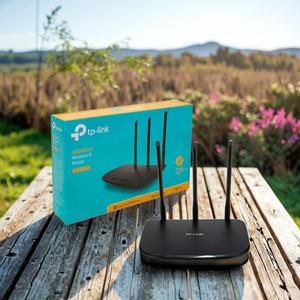
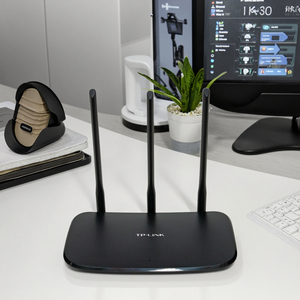
TP-Link networking devices, including routers and wireless access points, are shipped with standardized default login credentials to facilitate initial setup. The most common default username and password for TP-Link devices is admin/admin. This combination applies to the majority of models across the Archer, TL-WR, and Deco series manufactured since 2015. Default credentials are typically printed on a label affixed to the bottom or back of the device, alongside the SSID, MAC address, and serial number.
For firmware versions released after 2020, certain regional variants—particularly those distributed in Europe and North America—may feature randomized default passwords to comply with cybersecurity regulations such as ENISA baseline requirements. In these cases, the unique password is still located on the device label. Users should never rely on publicly available default password lists when configuring post-purchase installations, as doing so introduces significant network vulnerability risks.
Why Do Default Passwords Matter in Network Security?
Default login credentials represent a critical security consideration during device deployment. Devices retaining factory settings are susceptible to unauthorized access, especially when exposed to public networks or internet-facing interfaces. Cybersecurity audits indicate that over 60% of compromised small-office/home-office (SOHO) routers were accessed using default or weak passwords. Resetting to factory defaults reinstates the original credentials, making physical and administrative control essential during maintenance cycles.
Manufacturers like TP-Link recommend immediate credential changes after first login. Enterprise-grade models often support integration with RADIUS servers and LDAP for centralized authentication, reducing reliance on local accounts. For procurement teams sourcing networking hardware at scale, ensuring that devices support enforced password policies and firmware-level authentication controls is a key due diligence step.
How to Locate Device-Specific Login Information?
When standard credentials fail, follow these verification steps:
Physical Label Inspection
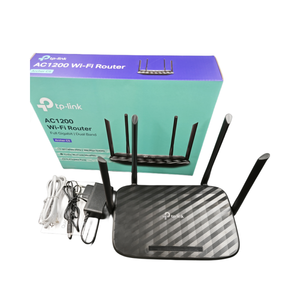
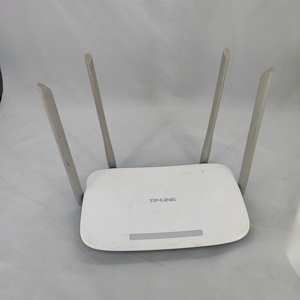
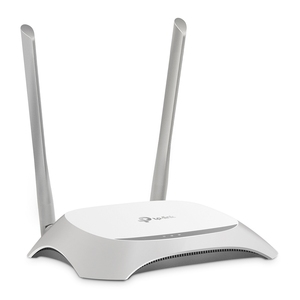
Examine the device housing for a compliance tag containing model-specific login data. Labels include the web configuration URL (typically http://tplinklogin.net or http://192.168.0.1), default username, and password. Models sold through carrier partnerships may have customized credentials set by the service provider.
Firmware Version Cross-Reference
Access the TP-Link support portal to search by model number and hardware version. Firmware release notes document any deviations from standard authentication protocols. For example, Archer C6 v5 (EU) uses a randomly generated password, whereas the US variant retains admin/admin.
Factory Reset Procedure
If login details are lost, initiate a hard reset by pressing and holding the recessed reset button for 8–10 seconds. This restores factory settings, including the default username and password. Note: resetting erases all custom configurations, including Wi-Fi settings and port forwarding rules.
What Are Common TP-Link Default Credentials by Model?
| Device Model | Hardware Version | Default Username | Default Password | Login IP Address | Password Randomization | Reset Duration | Configuration Page |
|---|---|---|---|---|---|---|---|
| Archer C6 | v3 | admin | admin | 192.168.0.1 | No | 8 sec | tplinklogin.net |
| Archer C6 | v5 (EU) | admin | Randomized | 192.168.0.1 | Yes | 10 sec | tplinklogin.net |
| TL-WR840N | v6 | admin | admin | 192.168.1.1 | No | 8 sec | tplinklogin.net |
| Deco X20 | v1 | N/A | See label | decocloud.com | Yes | 10 sec | Deco app only |
| Archer A7 | v5 | admin | admin | 192.168.0.1 | No | 8 sec | tplinklogin.net |
Performance Analysis
Older models and region-specific SKUs show consistent use of admin/admin, simplifying bulk deployment in controlled environments. However, newer consumer and mesh systems increasingly adopt randomized passwords to meet evolving cybersecurity standards. Devices like the Deco X20 eliminate traditional login pages entirely, requiring mobile app-based setup. Procurement teams must account for these differences when planning large-scale rollouts, particularly in multi-region deployments where firmware variants affect configuration workflows.
FAQs
Can I find TP-Link default passwords without the label?
Yes, TP-Link maintains an official support database searchable by product line. However, for randomized-password models, the only valid source is the physical device label. Online third-party lists may be outdated or inaccurate, increasing configuration risk.
What happens if I forget my custom password?
A factory reset is required to regain access. All personalized settings—including wireless networks, parental controls, and firewall rules—are erased. Post-reset, reconfigure the device using either the default credentials or guided setup via the TP-Link Tether or Deco app.
Do enterprise TP-Link devices use default passwords?
No. Business-class products such as Omada series access points and ER7206 routers require user-defined credentials during initial setup. These models do not ship with default logins, aligning with enterprise IT security policies and zero-trust frameworks.
Are default passwords the same across all TP-Link products?
No. While many home routers share admin/admin, exceptions exist. Modems with integrated VoIP (e.g., TD-W9980) may use different defaults. Always verify using the model-specific documentation before deployment.
How can organizations enforce secure configurations post-deployment?
Leverage TP-Link’s Omada SDN platform for centralized management, which supports forced password complexity, automatic firmware updates, and remote auditing. For non-Omada devices, implement procedural checks during installation to confirm default credentials have been changed and WPA3 encryption enabled.





