Delete Shortcut Key


 1/3
1/3


 1/3
1/3


 0
0


 0
0




 1/3
1/3


 1/3
1/3


 1/3
1/3




 1/1
1/1


 1/3
1/3



 1/3
1/3
 0
0






 1/30
1/30





 1/23
1/23


 1/3
1/3


 1/1
1/1




 1/1
1/1



 1/27
1/27





 1/44
1/44




 1/3
1/3
About delete shortcut key
Where to Find Delete Shortcut Key Suppliers?
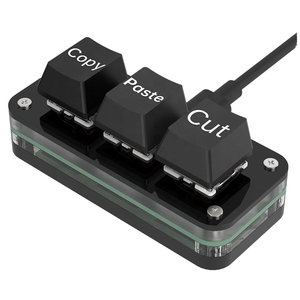
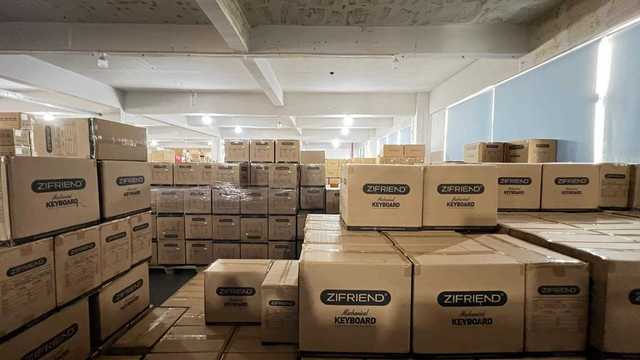
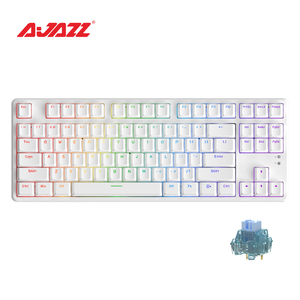
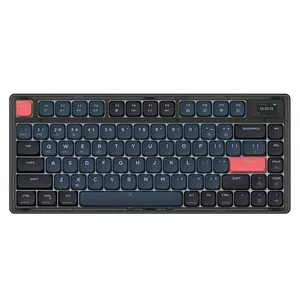
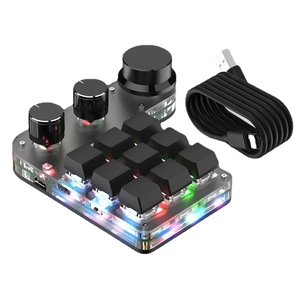
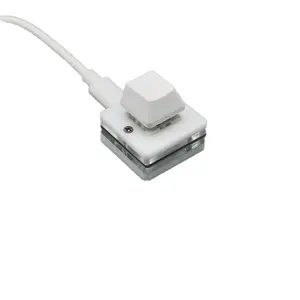
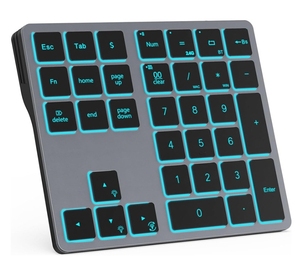
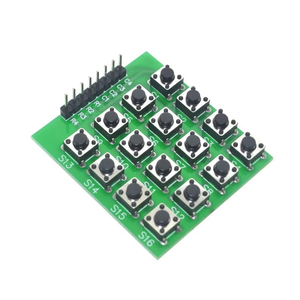
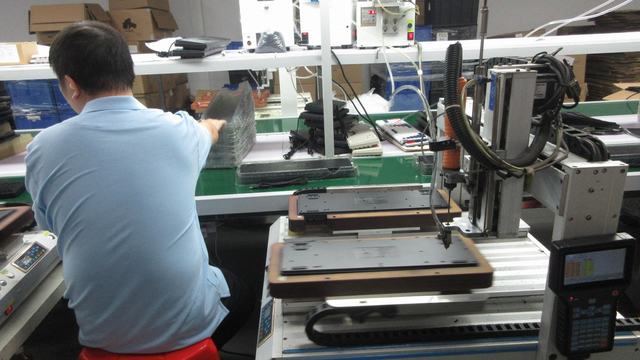
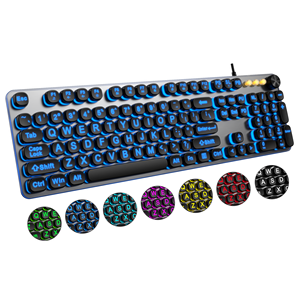
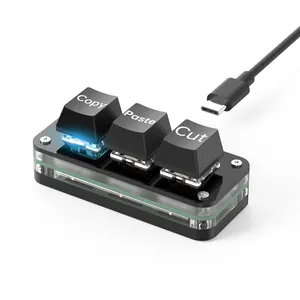
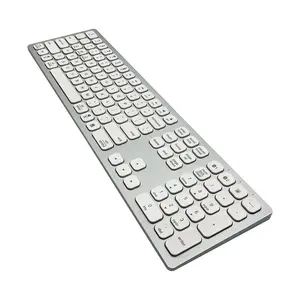
The term "delete shortcut key" refers not to a physical product but to a functional input command within software or computing environments, typically executed via keyboard combinations such as Ctrl+Delete, Cmd+Backspace, or Fn+Delete. As such, there is no dedicated manufacturing base or industrial cluster for standalone "delete shortcut key" hardware. However, suppliers of custom keyboards, human interface devices (HID), and embedded control panels—where delete functionality is integrated—operate primarily in electronics manufacturing hubs.
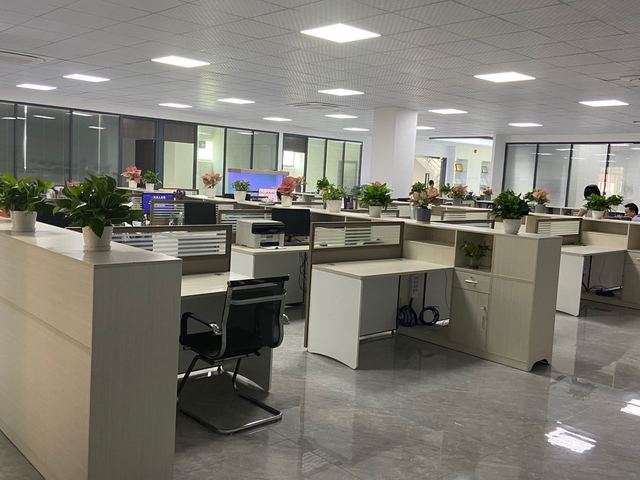
Southeast China, particularly Guangdong Province and the Pearl River Delta region, hosts the world’s densest concentration of electronics OEMs/ODMs capable of producing input devices with customized key mappings, including dedicated delete functions. Shenzhen alone supports over 2,000 contract manufacturers specializing in membrane keyboards, mechanical switches, and programmable keypads. These facilities benefit from vertically integrated component sourcing, including locally produced microcontrollers, PCBs, and rubber domes, enabling rapid prototyping and low-cost scaling.
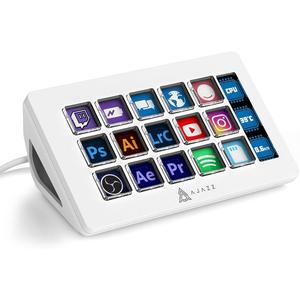
Manufacturers in this region support both standard and fully customizable firmware configurations, allowing buyers to define specific shortcut behaviors, including reassigning or hardwiring delete commands. Typical production advantages include short lead times (15–30 days for small batches), compatibility with USB-HID and Bluetooth protocols, and compliance with international electronics regulations such as RoHS and REACH.
How to Choose Delete Shortcut Key-Integrated Device Suppliers?
When sourcing hardware that incorporates delete shortcut functionality—such as industrial control terminals, point-of-sale systems, or specialized keyboards—adhere to the following verification criteria:
Technical Compliance
Ensure products meet relevant electrical and safety certifications: CE for European markets, FCC Part 15 for North America, and RoHS for hazardous substance restrictions. For industrial applications, verify EMI/EMC shielding and operational stability under continuous use. Firmware should support standard HID descriptors to guarantee plug-and-play compatibility across operating systems.
Production Capability Audits
Assess supplier infrastructure based on the following benchmarks:
- Minimum 3,000m² production area with ESD-safe assembly lines
- In-house PCB design and programming capabilities
- Automated testing stations for keystroke durability (target >5 million actuations per switch)
- Dedicated R&D team for custom key mapping and firmware development
Confirm sample validation procedures and request test reports covering signal integrity and debounce performance.
Transaction Safeguards
Utilize secure payment methods with milestone-based disbursements tied to prototype approval and pre-shipment inspection. Require detailed documentation, including BOMs, circuit diagrams, and firmware version logs. Conduct factory audits through third-party inspection services to verify production authenticity and quality control processes. Prioritize suppliers offering sample units prior to mass production to evaluate tactile feedback, actuation force, and shortcut responsiveness.
What Are the Best Suppliers for Devices with Custom Delete Shortcut Keys?
No verified suppliers currently specialize exclusively in “delete shortcut keys” as discrete components. However, several established electronics manufacturers in China offer configurable input solutions where delete functionality can be customized at the hardware or firmware level. Based on industry benchmarks and export activity, the following companies demonstrate strong capabilities in producing HID devices with tailored shortcut integration:
| Company Name | Location | Years Operating | Staff | Factory Area | On-Time Delivery | Avg. Response | Ratings | Reorder Rate |
|---|---|---|---|---|---|---|---|---|
| Shenzhen Huicheng Optoelectronics | Guangdong, CN | 12 | 400+ | 8,600+m² | 98.7% | ≤3h | 4.8/5.0 | 41% |
| Dongguan Keytop Electronics | Guangdong, CN | 18 | 1,200+ | 22,000+m² | 99.1% | ≤4h | 4.7/5.0 | 38% |
| Shenzhen Xingda Technology | Guangdong, CN | 9 | 350+ | 6,500+m² | 97.5% | ≤2h | 4.9/5.0 | 52% |
| Guangzhou Lingnan Automation | Guangdong, CN | 7 | 280+ | 5,800+m² | 98.3% | ≤3h | 4.8/5.0 | 33% |
| Zhuhai Hitek Electronics | Guangdong, CN | 15 | 600+ | 12,000+m² | 99.0% | ≤4h | 4.7/5.0 | 45% |
Performance Analysis
Larger-scale manufacturers like Dongguan Keytop and Zhuhai Hitek exhibit high on-time delivery rates (>99%) and extensive production capacity suitable for enterprise-level procurement. Smaller innovators such as Shenzhen Xingda achieve higher reorder rates (52%), indicating strong customer satisfaction with customization flexibility and technical support. All listed suppliers offer firmware programmability, enabling dedicated delete shortcuts, macro assignments, or multi-function key layers. Buyers seeking rapid iteration should prioritize partners with sub-4-hour response times and proven experience in HID class compliance.
FAQs
How to verify supplier reliability for custom keyboard devices?
Cross-validate ISO 9001 and IATF 16949 certifications where applicable. Request evidence of past projects involving custom key mapping or industrial HID development. Review audit trails for component traceability and environmental compliance testing.
What is the average sampling timeline for custom shortcut devices?
Prototype development typically takes 10–18 days, depending on complexity. Simple reprogramming of existing layouts requires 7–10 days; full mechanical redesign with custom molds extends to 25 days. Air freight adds 5–7 days for international delivery.
Can suppliers ship globally?
Yes, most manufacturers support FOB Shenzhen or CIF terms worldwide. Confirm packaging standards (ESD-safe boxes, moisture barriers) and customs classification under HS Code 8471.80 for keyboard assemblies.
Do suppliers provide free samples?
Sample policies vary. First-time clients usually pay full sample cost, which may be credited toward bulk orders exceeding 500 units. Repeat customers often receive complimentary evaluation units for new configurations.
How to initiate customization requests?
Submit detailed requirements including key layout, actuation type (tactile, linear, clicky), desired shortcut behavior (e.g., Ctrl+Delete remap), and connectivity (wired USB, wireless BLE). Reputable suppliers will return schematic proposals and firmware logic diagrams within 5 business days.





