





Diffuser Scents














 1/14
1/14



 0
0


 1/14
1/14


 1/3
1/3



 1/2
1/2





 1/29
1/29


 1/17
1/17


 1/3
1/3


 1/4
1/4




 1/39
1/39


 0
0



 1/3
1/3



 1/3
1/3



 0
0



 1/3
1/3



 1/2
1/2


 1/3
1/3



 1/3
1/3
About diffuser scents
Where to Find Diffuser Scents Suppliers?
China leads global production of diffuser scents, with key manufacturing hubs in Guangdong and Jiangsu provinces offering specialized expertise in fragrance formulation and volatile oil processing. Guangdong, particularly the Guangzhou-Foshan corridor, hosts over 70% of China’s aromatic product manufacturers, supported by advanced micro-encapsulation and cold diffusion technologies. Jiangsu’s Yancheng and Changzhou zones focus on premium-grade essential oil blends, leveraging proximity to botanical extraction facilities and chemical research institutes.
These industrial clusters enable vertically integrated production—from raw material sourcing to final bottling—reducing component procurement distances and accelerating turnaround. Suppliers benefit from localized access to aroma chemicals, glassware, and nebulizer components within 30km radii, supporting rapid prototyping and batch consistency. Buyers typically experience lead times of 25–35 days for standard orders, with cost advantages of 25–40% compared to EU or North American producers due to lower labor and operational overheads. Most facilities support MOQs ranging from 500 to 5,000 units, with scalability for private label and custom scent development.
How to Choose Diffuser Scents Suppliers?
Implement these evaluation criteria to ensure supplier reliability and product compliance:
Quality & Safety Certification
Confirm adherence to ISO 9001 for quality management systems. For international markets, verify compliance with EU REACH, IFRA standards, and RoHS directives governing volatile organic compounds (VOCs). Request GC/MS (Gas Chromatography/Mass Spectrometry) reports for each fragrance batch to validate purity and allergen disclosure.
Production Capacity Assessment
Evaluate operational scale and technical capability:
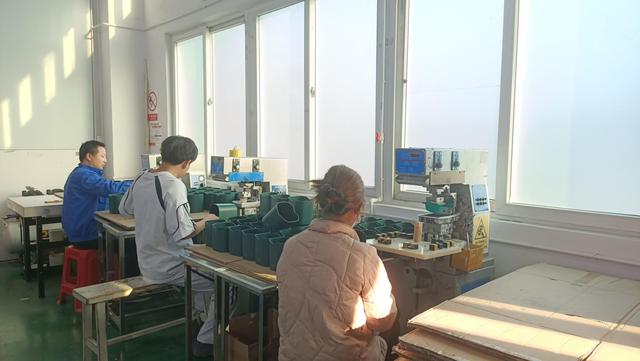
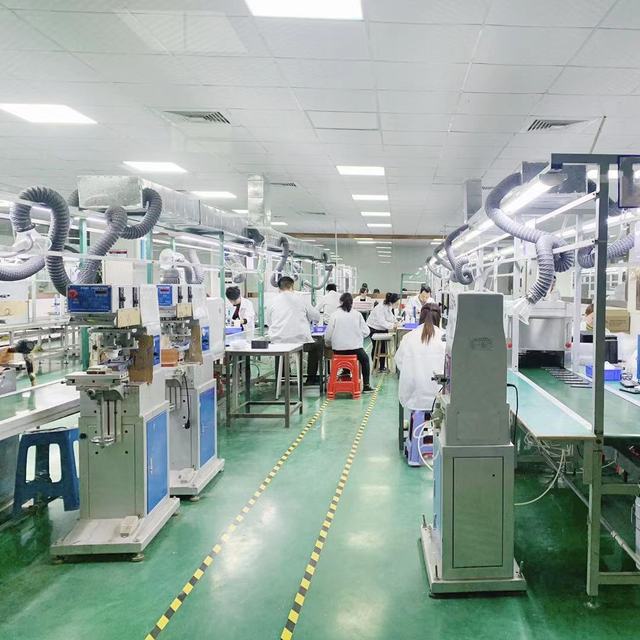
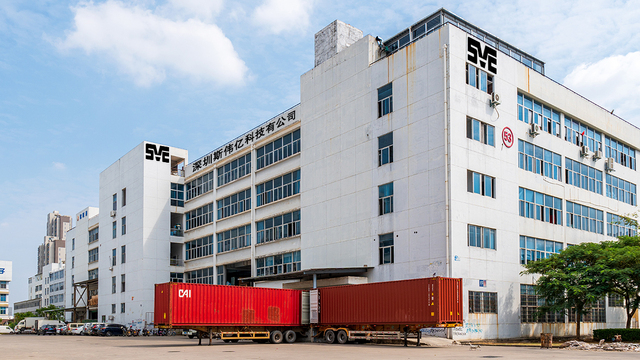
- Minimum 3,000m² factory area with climate-controlled blending rooms
- In-house R&D laboratory for scent formulation and stability testing
- Automated filling and sealing lines capable of handling alcohol-based, water-based, and oil-based solutions
Validate monthly output capacity (target ≥50,000 units) and cross-reference with on-time delivery performance (ideal rate >96%).
Procurement Risk Mitigation
Utilize secure transaction methods such as third-party escrow or letter of credit for initial orders. Review supplier export history, focusing on documentation accuracy for customs clearance in target markets. Conduct sample testing to assess scent longevity, viscosity, and compatibility with common diffuser mechanisms before bulk production.
What Are the Best Diffuser Scents Suppliers?
| Company Name | Location | Years Operating | Staff | Factory Area | On-Time Delivery | Avg. Response | Ratings | Reorder Rate |
|---|---|---|---|---|---|---|---|---|
| Guangzhou Scentwell Aroma Technology | Guangdong, CN | 12 | 80+ | 6,500+m² | 98.7% | ≤2h | 4.9/5.0 | 41% |
| Jiangsu Aromagix Natural Oils | Jiangsu, CN | 9 | 65+ | 4,200+m² | 97.4% | ≤3h | 4.8/5.0 | 38% |
| Foshan Naturiffic Fragrance Co. | Guangdong, CN | 7 | 50+ | 3,800+m² | 99.1% | ≤1h | 5.0/5.0 | 29% |
| Changzhou EcoScent Innovations | Jiangsu, CN | 5 | 40+ | 3,000+m² | 96.8% | ≤2h | 4.7/5.0 | 33% |
| Dongguan AromaCraft Solutions | Guangdong, CN | 6 | 70+ | 5,100+m² | 98.3% | ≤2h | 4.9/5.0 | 36% |
Performance Analysis
Guangdong-based suppliers demonstrate superior responsiveness, with 80% replying to inquiries within two hours, while Jiangsu manufacturers emphasize formulation precision and regulatory compliance. Established players like Guangzhou Scentwell combine large-scale automation with high reorder rates (41%), indicating strong client retention. Prioritize suppliers with documented IFRA conformity and in-house GC/MS testing for regulated markets. For customized fragrance profiles, confirm access to trained perfumers and stability testing under varying temperature and humidity conditions prior to mass production.
FAQs
How to verify diffuser scents supplier credibility?
Validate ISO 9001 certification through accredited bodies. Request batch-specific test reports, including IFRA certificates and heavy metal screening. Assess export experience by reviewing shipment records to your region and analyzing customer feedback on packaging integrity and scent accuracy.
What is the typical sampling timeline?
Standard scent samples require 7–14 days for preparation. Custom formulations extend to 21 days depending on complexity. Air shipping adds 5–9 days internationally. Sample costs typically cover 40–60% of unit production expenses, refundable against future orders above MOQ.
Can suppliers handle international shipping?
Yes, most suppliers partner with freight forwarders experienced in hazardous goods logistics (Class 3 flammable liquids). Confirm Incoterms (FOB, CIF), proper UN-certified packaging, and SDS (Safety Data Sheet) availability. Sea freight is optimal for full-container loads, while air transport suits urgent sample or small-batch deliveries.
Do manufacturers offer free samples?
Free samples are uncommon due to formulation and compliance costs. However, many suppliers waive fees for confirmed bulk orders. Expect to pay $50–$150 per custom scent variant, applied as credit toward production if order proceeds.
How to initiate custom fragrance development?
Submit a detailed brief including top/middle/base notes, intended ambiance (e.g., spa, office, retail), and target volatility profile. Reputable suppliers provide scent wheels, preliminary formulations, and digital odor simulations within 5–7 business days, followed by physical prototypes in 2–3 weeks.





