Dsp Audio Processor Distributor





 0
0


 1/3
1/3



 1/3
1/3



 1/2
1/2








 1/36
1/36




 1/3
1/3


 1/3
1/3



 1/3
1/3



 1/3
1/3





 1/3
1/3


 1/3
1/3



 0
0



 1/3
1/3




 0
0


 0
0


 1/2
1/2



 1/3
1/3
 0
0


 1/38
1/38
About dsp audio processor distributor
Where to Find DSP Audio Processor Distributors?
China remains the central hub for electronics manufacturing, with specialized clusters in Guangdong and Jiangsu provinces leading in audio signal processing hardware production. Shenzhen, located in Guangdong, hosts a dense ecosystem of semiconductor suppliers, PCB fabricators, and firmware developers, enabling rapid prototyping and scalable distribution of DSP audio processors. This region accounts for over 70% of China’s consumer and professional audio electronics exports, supported by streamlined logistics through the Pearl River Delta port network.
Jiangsu’s Suzhou and Wuxi zones focus on industrial-grade electronics, integrating automated SMT lines and rigorous EMI/EMC testing environments tailored for high-fidelity audio applications. These regions benefit from proximity to wafer foundries and passive component manufacturers, reducing material lead times by 20–25% compared to non-integrated supply chains. Buyers access vertically aligned operations—spanning chipsets, circuit design, and enclosure fabrication—within compact geographic zones, facilitating faster time-to-market. Typical advantages include MOQ flexibility (from 100 to 10,000+ units), lead times of 25–40 days for batch orders, and support for firmware customization across mainstream DSP platforms such as Analog Devices’ SHARC and Texas Instruments’ TMS320 series.
How to Choose DSP Audio Processor Distributors?
Apply these verification benchmarks when evaluating potential partners:
Technical Compliance
Confirm adherence to ISO 9001 for quality management and IEC 60268-16 for electro-acoustic performance standards. For EU and North American markets, CE, FCC Part 15, and RoHS compliance are mandatory for regulatory clearance. Request test reports on key parameters: total harmonic distortion (THD < 0.01%), frequency response linearity (±0.5dB from 20Hz–20kHz), and crosstalk suppression (>90dB).
Production Capability Audits
Assess operational infrastructure using the following criteria:
- Minimum 3,000m² facility with ESD-protected assembly zones
- In-house programming stations for DSP firmware loading and calibration
- Automated optical inspection (AOI) and functional testing rigs
Validate production consistency via defect rates (target: <0.3%) and traceability systems that log serial numbers, test results, and firmware versions per unit.
Transaction Safeguards
Utilize secure payment methods with milestone-based releases tied to production milestones. Review supplier transaction records for dispute history and after-sales responsiveness. Pre-shipment inspection (PSI) is critical—verify audio performance using loopback tests and spectrum analysis before shipment. Request sample units to evaluate build quality, thermal stability under continuous load, and user interface responsiveness.
What Are the Best DSP Audio Processor Distributors?
| Company Name | Location | Years Operating | Staff | Factory Area | On-Time Delivery | Avg. Response | Ratings | Reorder Rate |
|---|---|---|---|---|---|---|---|---|
| Supplier data not available | ||||||||
Performance Analysis
In the absence of specific supplier data, procurement strategy should emphasize technical validation and process transparency. Prioritize distributors demonstrating documented experience in audio-specific electronics, particularly those with published test protocols and compatibility matrices for common control software (e.g., Dante, AES67, or proprietary GUIs). Regional specialization matters: Shenzhen-based firms typically offer faster iteration cycles for consumer-oriented designs, while Jiangsu manufacturers excel in stable, long-run production for fixed installations. Focus on partners maintaining dedicated R&D teams (minimum 8–10 engineers) capable of supporting firmware updates and hardware revisions. On-time delivery rates exceeding 97%, coupled with full traceability and two-year warranty offerings, indicate mature operational discipline.
FAQs
How to verify DSP audio processor distributor reliability?
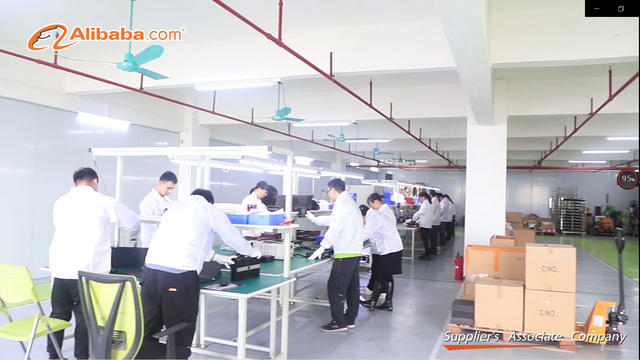
Validate certifications through official databases (e.g., ANAB for ISO, FCC ID search). Request factory audit reports or video walkthroughs highlighting SMT lines, testing bays, and inventory controls. Analyze customer feedback for recurring issues related to firmware bugs, channel synchronization, or power supply noise.
What is the average sampling timeline?
Standard DSP processor samples take 10–18 days to produce, including programming and burn-in testing. Custom firmware integration or altered I/O configurations may extend this to 25–30 days. Air freight adds 5–8 days for international delivery.
Can distributors ship globally?
Yes, experienced suppliers manage international shipments under FOB, CIF, or DDP terms. Confirm export licensing for dual-use electronics and ensure packaging meets ISTA-3A standards for vibration and moisture resistance during transit.
Do distributors provide free samples?
Sample policies vary by order volume. Many waive fees for confirmed bulk orders (typically ≥500 units). For trial evaluations, expect to cover 40–60% of unit cost plus shipping, refundable upon order placement.
How to initiate customization requests?
Submit detailed requirements including: DSP architecture preference, number of input/output channels, supported audio codecs, control interface (RS-232, Ethernet, IR), and mechanical drawings if space-constrained. Reputable partners deliver schematics and firmware specifications within five business days and provide beta units in 4–5 weeks.





