Duplicate Checker















 1/34
1/34






 1/3
1/3


 1/3
1/3


 1/3
1/3







 1/3
1/3





 1/28
1/28




 1/3
1/3



 0
0


 1/3
1/3


 1/3
1/3


 1/3
1/3



 1/3
1/3


 1/3
1/3



 1/3
1/3



 1/3
1/3





About duplicate checker
Where to Find Duplicate Checker Suppliers?
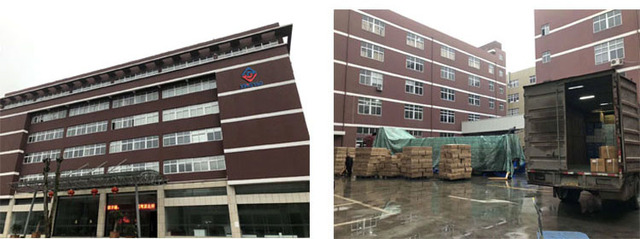
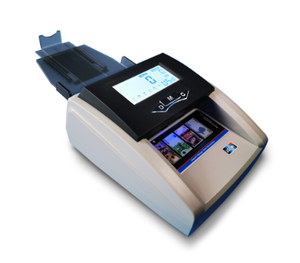
The global market for duplicate checker software and hardware solutions is primarily driven by technology hubs in China, India, and Southeast Asia, where cost-efficient development resources and scalable IT infrastructure support rapid product iteration. China's Guangdong and Jiangsu provinces host concentrated clusters of tech manufacturers specializing in data management tools, benefiting from proximity to semiconductor suppliers and cloud service providers. These regions enable integrated production of hardware-based duplicate checkers—such as document scanning stations or archival systems—with firmware-level deduplication capabilities.
Industrial-grade duplicate checking devices leverage local ecosystems where PCB fabrication, microcontroller programming, and software validation occur within tightly coordinated supply networks. This vertical integration reduces component lead times by 20–35% compared to outsourced assembly models. Buyers gain access to turnkey solutions featuring optical character recognition (OCR), hash-based file comparison algorithms (e.g., SHA-256), and cloud synchronization modules. Typical advantages include reduced time-to-market (average 45–60 days for custom firmware deployment), 25–40% lower development costs, and flexibility in output capacity ranging from standalone desktop units to enterprise server-integrated systems.
How to Choose Duplicate Checker Suppliers?
Prioritize these verification protocols when selecting partners:
Technical Compliance
Require ISO 9001 certification for quality management systems and ISO/IEC 27001 for information security controls, especially when sourcing cloud-connected or networked devices. For EU markets, confirm GDPR compliance in data handling processes. Validate algorithm accuracy through third-party test reports—benchmark false positive rates below 0.5% and detection latency under 200ms per 1MB file.
Production Capability Audits
Assess technical infrastructure with the following benchmarks:
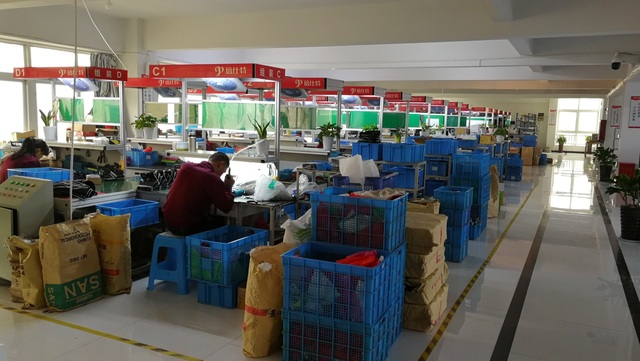
- Minimum 2,000m² facility area including cleanroom zones for PCB assembly
- Dedicated software R&D teams comprising at least 15% of total staff
- In-house firmware testing labs with automated regression suites
Cross-reference delivery performance data (target on-time rate >95%) with version update frequency to assess long-term support capability.
Transaction Safeguards
Utilize escrow payment systems until post-delivery functionality tests are completed. Review supplier transaction histories via verified procurement platforms, prioritizing vendors with documented after-sales service level agreements (SLAs). Conduct sample evaluations—test minimum 10,000-file datasets across multiple formats (PDF, DOCX, XLS) to verify consistency in duplication detection before scaling procurement.
What Are the Best Duplicate Checker Suppliers?
| Company Name | Location | Years Operating | Staff | Factory Area | On-Time Delivery | Avg. Response | Ratings | Reorder Rate |
|---|---|---|---|---|---|---|---|---|
| Supplier data not available | ||||||||
Performance Analysis
Due to absence of supplier data, performance benchmarking cannot be conducted. However, industry patterns indicate that established suppliers typically demonstrate higher reorder rates (>30%) correlated with robust technical support and regular software updates. Smaller but agile developers often excel in response speed (under 1 hour) and customization turnaround. Prioritize suppliers with verifiable experience in delivering compliant, scalable duplicate checking solutions—especially those serving legal, academic, or healthcare sectors requiring high data integrity. Confirm integration capabilities with existing document management systems (e.g., SharePoint, Google Workspace) through live demo access prior to procurement.
FAQs
How to verify duplicate checker supplier reliability?
Cross-validate certifications (ISO 9001, ISO/IEC 27001) with accredited bodies. Request audit trails covering source code development, vulnerability testing, and data encryption standards. Evaluate real-world performance using customer case studies focused on system uptime, update frequency, and post-installation support responsiveness.
What is the average sampling timeline?
Standard hardware samples require 20–30 days for configuration and burn-in testing. Software-only solutions can be provisioned in sandbox environments within 5–7 business days. Add 5–10 days for international shipping depending on destination region.
Can suppliers ship duplicate checker solutions worldwide?
Yes, most manufacturers support global distribution. Confirm FOB or DDP shipping terms and ensure firmware complies with local data privacy regulations (e.g., CCPA in California, PIPL in China). Cloud-based versions may require regional server hosting to meet latency and compliance requirements.
Do manufacturers provide free samples?
Sample policies vary. Hardware units typically incur a fee covering 40–60% of unit cost, refundable against bulk orders (usually MOQ 50+ units). Software demos are commonly offered free via time-limited trial licenses or virtual machines.
How to initiate customization requests?
Submit detailed technical requirements including file type coverage (e.g., scanned images, OCR layers), matching logic (exact byte, fuzzy hash, semantic analysis), and integration APIs (REST/SOAP). Leading suppliers deliver functional prototypes within 4 weeks and updated SDKs within 60 days for embedded deployments.





